



How a Suppressor Affects an AR-9 Super Safety
A straight-blowback AR-9 has no gas system, so a suppressor's backpressure acts directly on the bolt. For the AR-9 super safety, that means harder lever impact, a shorter reset window and faster fouling of the cam and lever. Bolt and buffer mass are the main tuning tools, and AR-15 H3 logic doesn't transfer.
A straight-blowback AR-9 has no gas system to tune, so a suppressor’s backpressure goes straight into the bolt. Pressure stays on the bolt face longer, the heavy bolt drives back harder, and more carbon and gas push back into the receiver and trigger group. For an AR-9 super safety suppressor setup, that means harder lever impact, a reset window that closes faster, and quicker fouling of the cam and lever. Redacted Arms makes its AR-9 super safety with the same fire control dimensions as the AR-15 version, but the platform cycles nothing like a gas gun. On a suppressed AR-9, moving mass and maintenance are the only tools you have.
| What changes | Unsuppressed AR-9 | Suppressed AR-9 |
|---|---|---|
| Bolt velocity | Set by bolt mass and buffer weight | Higher, with no gas system to absorb it |
| Recoil impulse | Sharper than an AR-15 | Sharper still |
| Gas to the face | Present, since blowback vents into the receiver | Higher, from added backpressure |
| Fouling in the trigger group | Moderate; blowback vents into the receiver | Heavy; the dirtiest super safety combination |
| Lever impact | Higher than an AR-15 per cycle | Higher again; wear marks appear sooner |
| Reset window | Shorter than an AR-15 | Shorter; most failures show up in fast strings |
| Buffer starting point | Around 10 oz | Retest from your working setup; no fixed number |
| Inspection | Lever and cam on a shorter interval than an AR-15 | Lever and cam after every session |
What Does a Suppressor Change on a Blowback AR-9?
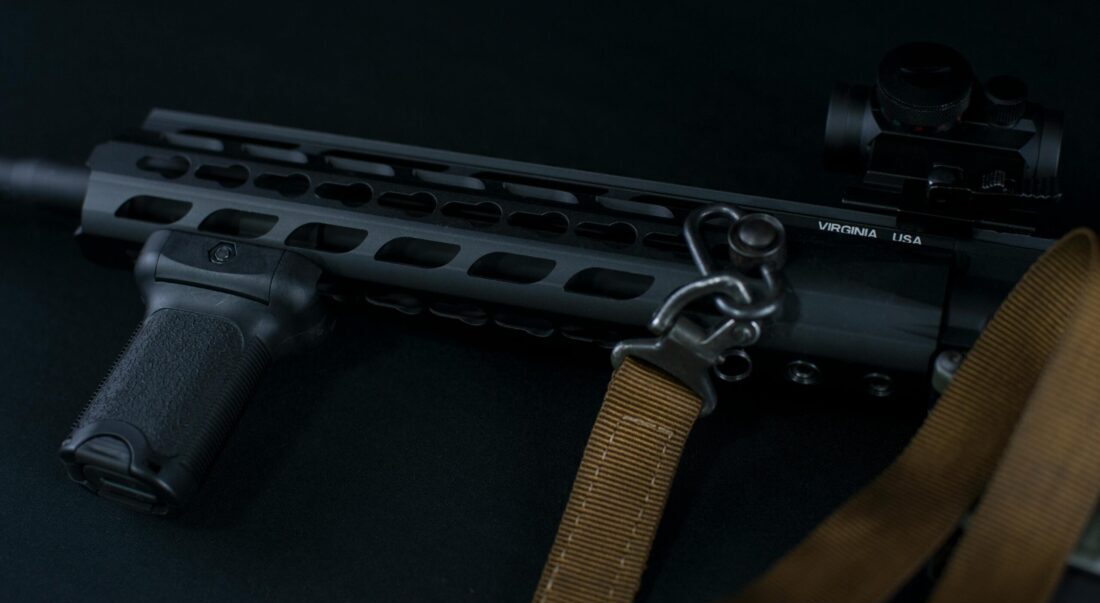
The AR-9 runs without a gas tube, gas block or rotating bolt. Chamber pressure pushes directly on the bolt face, and bolt mass plus buffer weight are what keep the action closed long enough. That reliance on moving mass is what makes the AR-9 platform different from the gas gun it resembles.
A suppressor raises pressure in the bore and keeps it there longer. On a gas gun, part of that extra energy goes through the gas system, and builders can manage it with buffer weight or gas settings. Most builders tune a suppressed AR-15 super safety by moving to an H3. On the AR-9, all of it lands on the bolt face. The MP5 has a locking piece to slow the bolt. The AR-9 doesn’t.
Why Does Bolt Speed Matter to the AR-9 Super Safety?
The super safety resets the trigger through bolt movement. As the bolt runs rearward it contacts the lever, the lever moves the cam, and the cam pushes the trigger forward into reset. The super safety cam and lever work the same way on every AR-pattern lower. Only the energy hitting them changes.
The AR-9 bolt is already heavier than an AR-15 carrier and hits the lever with more energy per cycle. A suppressor adds speed on top of that mass. A faster bolt hits the lever harder and shortens the reset window, which is why a suppressed AR-9 that resets perfectly on slow fire can start failing in fast strings.
What Symptoms Show Up After You Add a Suppressor?
Most of these appear in the first suppressed session:
- Reset failures in fast strings that don’t happen on slow fire
- A harsher, more abrupt recoil impulse
- Bolt bounce and occasional light strikes
- Heavy fouling on the cam shelf and the lever contact point
- More gas to the shooter’s face
If the reset fails, separate bolt speed problems from fit problems. Fast-string failures that started with the suppressor point to bolt speed, while failures on slow fire point to the other reasons a super safety stops resetting.
Does Buffer Weight Need to Change When Suppressed?
Possibly. On the AR-9, buffer and bolt mass are the main tuning tools, so they’re the first variable to look at when a suppressor changes how the rifle runs. The typical unsuppressed starting point is around 10 oz, already far heavier than an AR-15 combination. There’s no published suppressed figure to copy, because the right weight depends on the bolt, the suppressor and the load.
Two rules apply. First, AR-15 logic doesn’t transfer: an H3 that fixes a suppressed AR-15 is still too light for an AR-9. Second, too much weight causes its own problem, because the bolt may not travel far enough to cycle. Start from the setup that ran unsuppressed, change one thing and test. AR-9 buffers on the buffer weight chart span roughly 5.5 to 11 oz, so there’s room to move in either direction.
Should You Check Bolt-to-Lever Clearance Again?
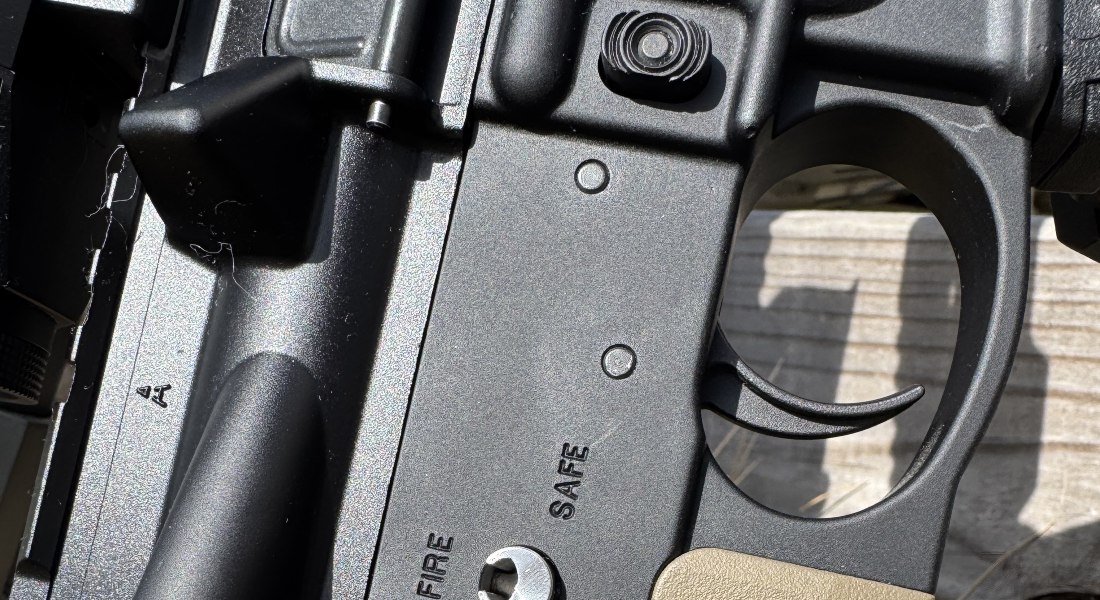
Yes. Many AR-9 bolts don’t share the external geometry of an M16-pattern carrier, and the point where the lever contacts the bolt varies between manufacturers. A suppressor doesn’t change that geometry, but it makes a marginal contact point fail sooner. Check bolt-to-lever contact before replacing springs or trigger parts when a suppressed AR-9 starts having timing problems.
Does Ammo Choice Matter More When Suppressed?
Ammo matters because it starts the cycle the reset depends on, but it isn’t a tuning tool. Use ammunition within the host firearm’s specifications, pick one load and keep it while you evaluate the setup. A suppressor already changes the operating conditions, so changing ammo at the same time hides which change mattered. No single bullet weight is right for every build, because ammunition affects super safety function through the whole cartridge, not one number on the box.
How Often Should You Clean a Suppressed AR-9?
Blowback already vents carbon into the receiver, and a suppressor adds more. Inspect the cam shelf and lever contact point after every suppressed session, not on a round-count interval. Look for impact marks at the lever, a carbon ridge on the cam shelf and any binding when you move the lever through its full arc. Clean the cam shelf before the rifle cools, while carbon is still soft.
Gas to the face rises along with fouling. Testing summarized by the Defense Systems Information Analysis Center found measurable differences in blowback gases when a suppressor is added, and links higher backpressure to propellant gas pushing back toward the shooter as the action opens.
How Do You Test an AR-9 Super Safety Suppressor Setup?
- Dry check: confirm free lever movement and bolt-to-lever clearance with the upper installed.
- Function check: run the full sequence with the rifle unloaded.
- Slow live fire: confirm reset on single, deliberate shots with the suppressor on.
- Fast strings: increase pace only after slow fire is consistent, since bolt speed problems show up here.
The dry check uses the same lever clearance points as the AR-9 super safety installation. Step two isn’t proof on its own, since a function check can’t show live-fire timing.
Common Mistakes With a Suppressed AR-9 Super Safety
- Reusing the AR-15 H3 fix on a blowback AR-9
- Adding weight past the point where the bolt can cycle fully
- Replacing springs or triggers before checking bolt-to-lever clearance
- Changing buffer, ammo and suppressor at the same time
- Keeping an unsuppressed inspection interval on a suppressed rifle
Most of these overlap with common AR-9 build mistakes on unsuppressed rifles. The suppressor just makes them show up sooner.
What to Remember Before Running a Suppressed AR-9
An AR-9 super safety suppressor setup puts more energy into a bolt that’s already heavy and fast, with no gas system in between. Expect harder lever impact, a shorter reset window and heavy fouling. Manage it with moving mass, starting from the setup that ran unsuppressed, and don’t borrow AR-15 buffer logic. Check bolt-to-lever clearance, keep one load, inspect the cam and lever after every session and change one variable at a time.
FAQs
Can you run a suppressor on an AR-9 with a super safety?
Yes, but the suppressor's backpressure acts directly on the AR-9's blowback bolt. Expect harder lever impact, a shorter reset window and heavier fouling, and plan to inspect the cam and lever after every suppressed session.
What buffer weight does an AR-9 super safety need?
The typical unsuppressed AR-9 starting point is around 10 oz, far heavier than AR-15 buffers. There is no single suppressed figure, because the right weight depends on the bolt, suppressor and load. Start from the setup that ran unsuppressed and change one variable at a time.
Why does my suppressed AR-9 reset on slow fire but fail in fast strings?
That pattern almost always points to excessive bolt speed. A suppressor raises bolt velocity on a blowback AR-9, which hits the lever harder and shortens the reset window. Check moving mass first, then bolt-to-lever clearance.
Does an H3 buffer work in a suppressed AR-9?
Not as a fix. An H3 weighs about 5.4–5.6 oz and works for many suppressed AR-15 builds, but the AR-9's blowback impulse needs considerably more mass. An H3 that fixes an AR-15 is still too light for an AR-9.
Does AR-9 bolt weight matter for a super safety?
Yes. The AR-9 relies on bolt mass and buffer weight to control bolt velocity, because it has no gas system. Bolt geometry also matters, since the lever contact point varies between AR-9 bolt manufacturers and affects reset timing.
Why is a suppressed AR-9 so dirty?
Blowback already vents carbon into the receiver, and a suppressor raises backpressure so more gas and carbon come back through the action. That combination fouls the cam shelf and lever contact point quickly, which is why inspection after every session is recommended.