



What Makes the AR-9 Platform Different
The AR-9 platform looks similar to an AR-15 on the outside, but the operating system works very differently. Instead of using a gas system and rotating bolt, the AR-9 relies on straight blowback, which creates a heavier bolt, sharper cycling impulse, and greater dependence on buffer tuning. That matters for super safety setups because parts compatibility alone does not guarantee reliable timing. An AR-9 can run well with the system, but bolt mass, buffer weight, and bolt clearance all require platform-specific attention.
The AR-9 needs platform-specific tuning that most builders don’t account for — not because the super safety installs differently, but because blowback cycling behaves nothing like the gas-operated system it resembles. The fire control group dimensions are identical to the AR-15, which is why an AR9 super safety for sale installs the same way in both platforms. The difference shows up the moment the bolt starts moving: heavier mass, sharper impulse, and a reset window that closes faster than any AR-15 buffer setup prepares you for.
What Is Different About AR-9 Blowback for Super Safety
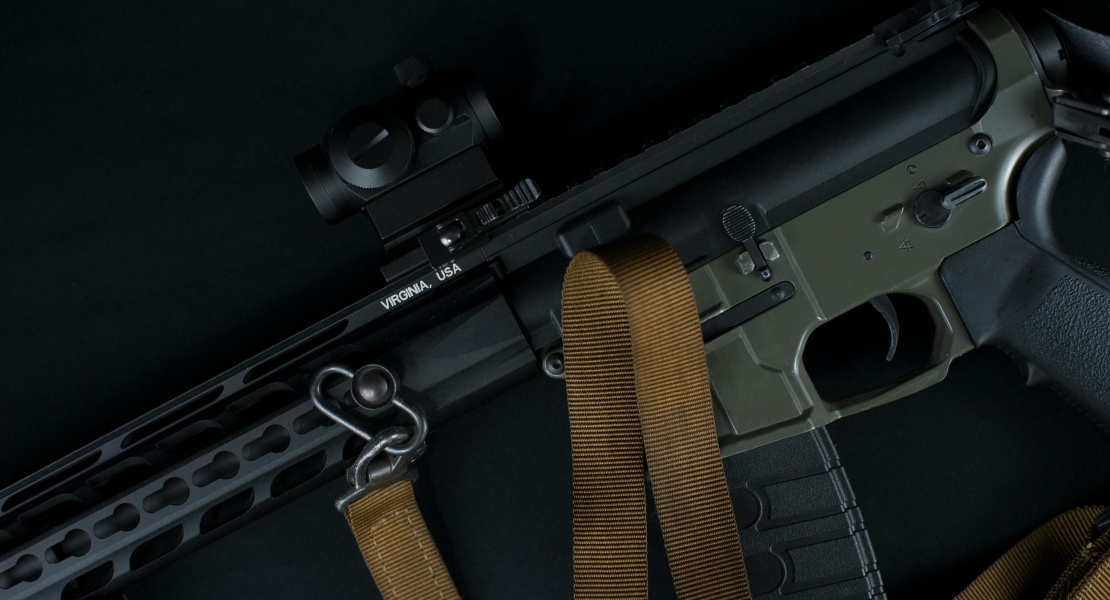
The AR-9 runs without a gas tube, gas block, or rotating bolt because it uses straight blowback instead of direct impingement. When a round fires, chamber pressure pushes directly against the bolt face and drives the bolt rearward. On an AR-15, builders can adjust gas port size, tube length, or gas block settings to influence cycling speed. Those variables do not exist on the AR-9 platform. The system depends entirely on moving mass — bolt weight and buffer setup are the only tuning levers available.
Why Does the AR-9 Cycle Harder Than the AR-15
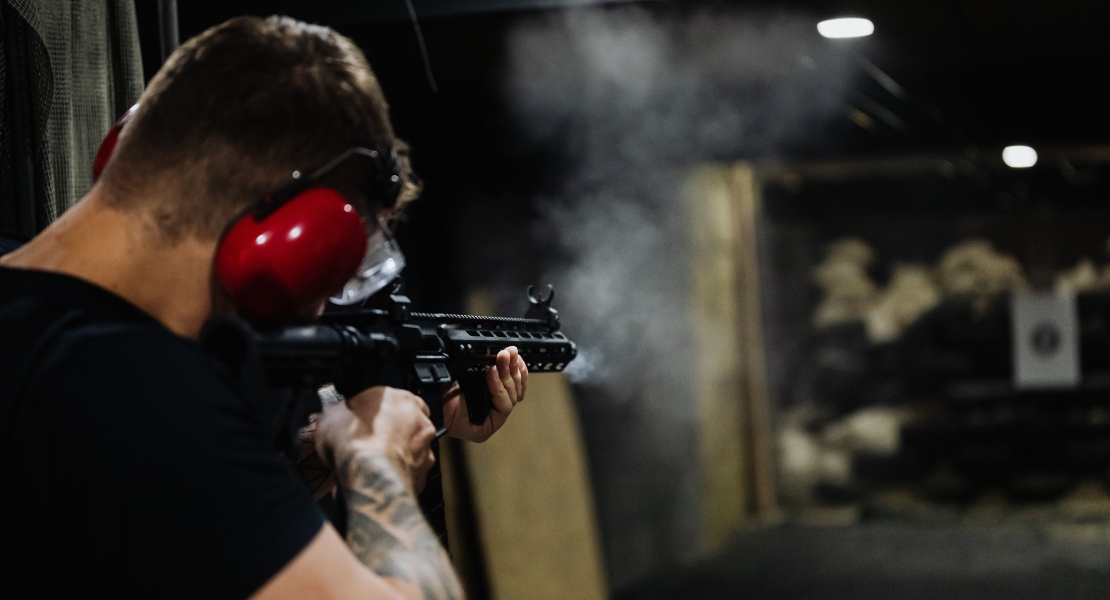
The AR-9 bolt is significantly heavier because there is no rotating locking system keeping the action closed during firing — the bolt itself must absorb the force instead. That heavier bolt produces a sharper impulse and a more aggressive return to battery, which means the super safety lever experiences more impact energy per cycle than on an AR-15 — and why the AR9 super safety install guide covers bolt-specific considerations that don’t appear in the AR-15 version.
The pattern we see most often is a builder who solved a reset issue on their AR-15 by moving from H2 to H3 buffer, then installed the same H3 in their AR-9 and got consistent failures under rapid fire — the buffer that fixed the gas-operated platform was still too light for the blowback impulse by several ounces.
Why Buffer Weight Matters More on the AR-9
Buffer weight has a much larger role in an AR-9 super safety setup because the platform lacks a gas system to regulate bolt velocity. This is why H2 vs H3 buffer logic from AR-15 builds doesn’t transfer directly — the weight ranges that work on a gas-operated platform are simply too light for blowback cycling. The typical AR-9 starting point sits around 10 ounces, considerably heavier than most AR-15 combinations. If the buffer is too light, the bolt slams rearward with excessive force and shortens the reset window. If it’s too heavy, the bolt may not travel far enough to cycle reliably. The system may function correctly during slow testing in either case, then fail once cycling speeds increase under rapid fire.
BCG Clearance — The One Installation Step That’s Different
The AR-9 lower uses standard AR-15 fire control geometry — the hammer, trigger, disconnector, selector hole, and pin spacing all follow mil-spec dimensions, which is what makes the install process nearly identical at the component level. The differences appear during cycling, not during assembly.
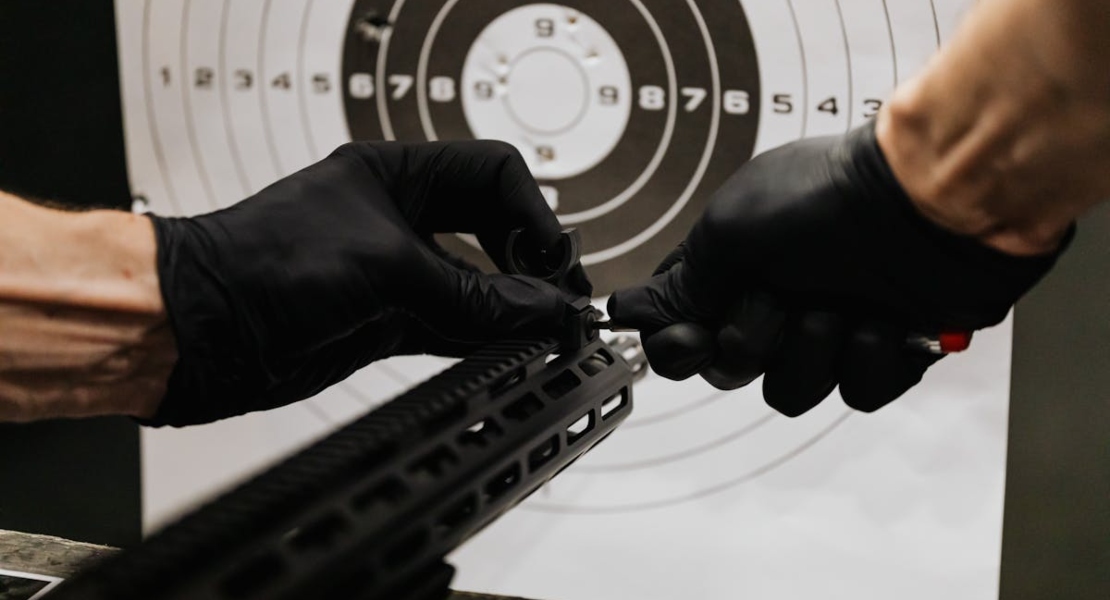
The installation step most commonly missed involves bolt carrier clearance — specifically how the super safety lever interacts with the bolt during cycling. Many AR-9 bolts don’t share the same external geometry as standard M16-pattern carriers, and the lever contacts the bolt at a specific point in the rearward stroke that varies between manufacturers. Bolt-to-lever contact should always be checked before replacing springs or trigger components when diagnosing timing problems. In some cases, a small amount of material removal from the lever establishes proper clearance — builders who skip this step encounter intermittent reset failures that disappear once it’s corrected.
Same System, Different Platform — Know What Changes
The super safety installs identically on the AR-9 and AR-15 — the FCG geometry is the same, and the assembly process is the same. Everything after installation is different. Blowback cycling, heavier bolt mass, buffer dependence, and carrier-specific clearance all need platform-specific attention, and that attention is what separates a build that runs from one that only works at slow fire. Understanding how the super safety cam and lever work is what makes the geometry requirements in both sections make sense, rather than seeming like arbitrary fitting steps.
FAQs
Does the super safety work on AR-9?
Most AR-9 lowers using standard mil-spec fire control dimensions support the system, including Glock-pattern and Colt-pattern designs. Compatibility issues typically come from bolt geometry or non-standard lower dimensions rather than magazine style.
What buffer do I need for an AR-9 super safety build?
AR-9 platforms generally require substantially heavier buffers than AR-15 builds because the system lacks a gas-operated locking bolt. Starting around 10oz helps slow bolt velocity enough for consistent reset timing — builders who carry over AR-15 buffer weights often see correct function during slow testing that breaks down under rapid cycling.
Why does my AR-9 super safety work on slow fire but fail on rapid cycling?
This almost always points to excessive bolt speed. The setup resets correctly during slower operation, then loses timing once the bolt cycles faster. Buffer weight is the first variable to check — followed by bolt-to-lever clearance if the buffer change doesn't resolve it.
Does the blowback operation wear super safety components faster than the gas operation?
Blowback creates a sharper cycling impulse than direct impingement, which increases impact energy on the lever contact point per cycle. On high round count AR-9 builds, that means shorter inspection intervals for the lever and cam surfaces than an equivalent AR-15 build would need.