



How a Suppressor Affects Your AR-15 Super Safety
Running a suppressor on an AR-15 super safety build increases backpressure, which raises bolt velocity and changes how hard the system cycles. The two practical consequences are accelerated wear on the cam and lever, and a potential need to swap to a heavier buffer to bring bolt velocity back into the system's operating range. Neither is a compatibility problem — both are tuning problems with straightforward fixes.
Most AR-15 super safety builders who add a suppressor don’t change anything else in the setup. Then the system starts feeling different — cycling harder, resetting less consistently, or wearing faster than it did unsuppressed. Before choosing firearm parts and accessories for a suppressed build, understanding what the suppressor actually changes mechanically is what separates a tuned setup from one that gets diagnosed at the range. A suppressor is a tuning change, not just a noise reduction accessory — and the super safety is sensitive enough to cycling speed that the distinction matters.
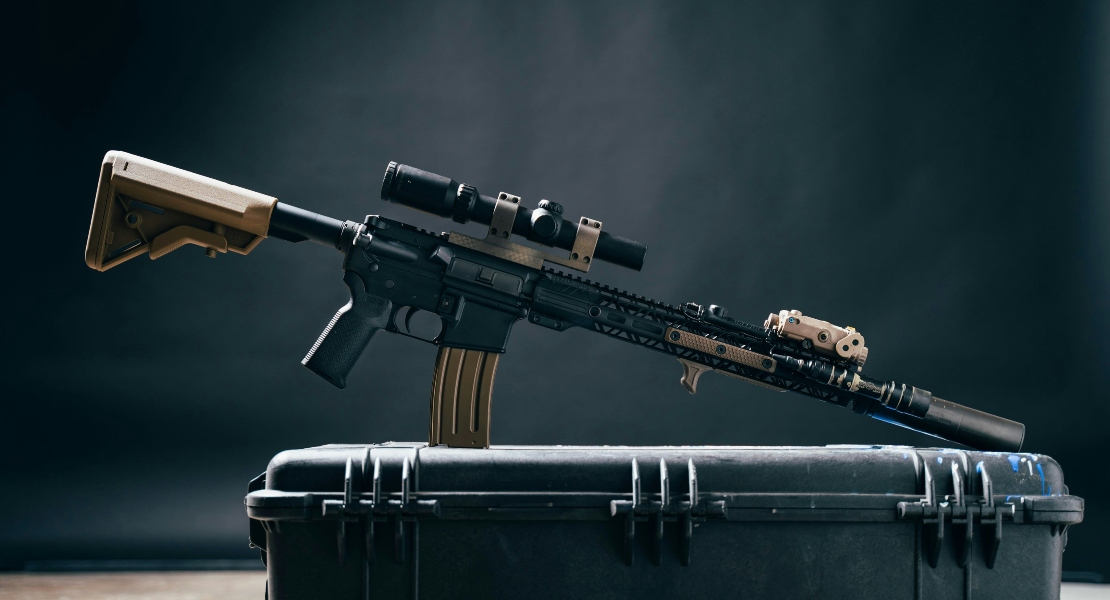
What a Suppressor Does to Bolt Velocity
A suppressor traps gas that would otherwise exit at the muzzle and raises backpressure in the process. That extra gas volume enters the action for longer than in an unsuppressed setup, which increases the force acting on the bolt carrier group during the rearward stroke.
The result is a higher bolt velocity than the system was originally tuned for. In a standard unsuppressed AR15 super safety build, the buffer weight, spring rate, and gas system are balanced around a specific cycling energy window. A suppressor pushes the bolt above that window on every shot. The bolt isn’t moving incorrectly — it’s moving faster than the setup can handle it.
Builders who add a suppressor without adjusting anything else notice the system cycling noticeably harder. The recoil impulse feels sharper, the ejection pattern changes, and the reset feels less consistent. These are all symptoms of the same root cause — bolt velocity outside the tuned operating range.
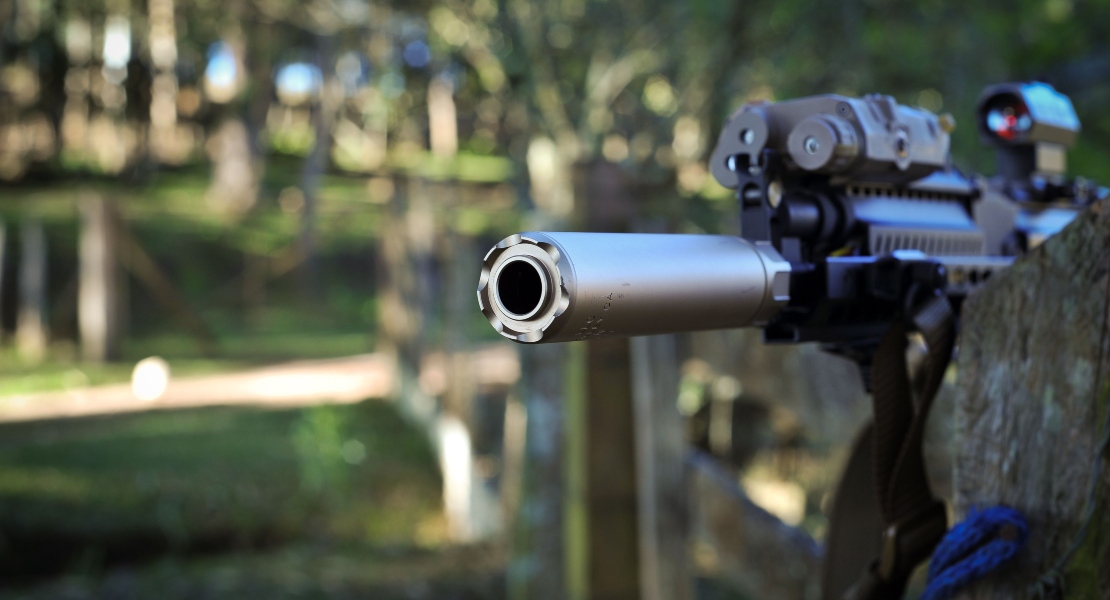
How Suppressor Use Affects Wear and Reset
Higher bolt velocity means more energy transferred to the cam and lever contact points on every cycle. The cam shelf and lever engagement surface absorb sharper impacts during unlocking and resetting than they do in an unsuppressed build — and that difference shows up in wear rate before it shows up in function.
Cam and lever wear that takes several hundred rounds to develop on an unsuppressed build can appear in half that on a suppressed one. The contact surfaces develop polishing and early peening faster, which is why AR-15 super safety maintenance intervals need to be shortened on suppressed builds — not because the system is failing, but because the higher cycling energy compresses the normal wear timeline.
Reset feels changes as wear accumulates. Timing between carrier movement and lever return becomes less consistent during faster strings of fire. Catching wear early — before it changes the reset geometry — is what keeps the system predictable under suppressed use. Inspect the cam shelf and lever contact point after every range session on a suppressed build, not on the normal interval.
Suppressed builds also run dirtier. The extra backpressure drives more carbon into the action, which means the cam and lever surfaces accumulate fouling faster than unsuppressed builds at the same round count. Factor that into cleaning frequency, not just wear inspection intervals.
Buffer Selection for Suppressed AR-15 Super Safety Builds
The buffer is the most direct fix for the bolt velocity problem. A heavier buffer adds resistance during the rearward stroke, slows the bolt carrier, and brings cycling energy back into the operating range that the super safety was tuned for.
A standard carbine buffer that works correctly unsuppressed is often too light once a suppressor is added. The H2 vs H3 buffer decision for suppressed builds usually resolves at H3 — it provides enough resistance to stabilize cycling energy under the increased backpressure a suppressor produces without making the system too slow to cycle reliably. The H3 buffer super safety configuration is the recommended starting point for most suppressed AR-15 super safety builds.
Start at H3 and verify with live fire before adjusting further. What to look for after the first suppressed range session with the new buffer:
- Cycling feels smoother with less abrupt recoil impulse
- Reset is consistent across shots rather than variable
- Ejection pattern is stable rather than erratic
If cycling feels sluggish or fails to fully reset, the buffer is too heavy for the gas setup. If wear still progresses quickly and the system still feels harsh, gas regulation or ammunition selection may need adjustment beyond buffer weight alone. Different loads behave differently under suppression — test with the exact ammo the build will run before considering the setup dialed in.
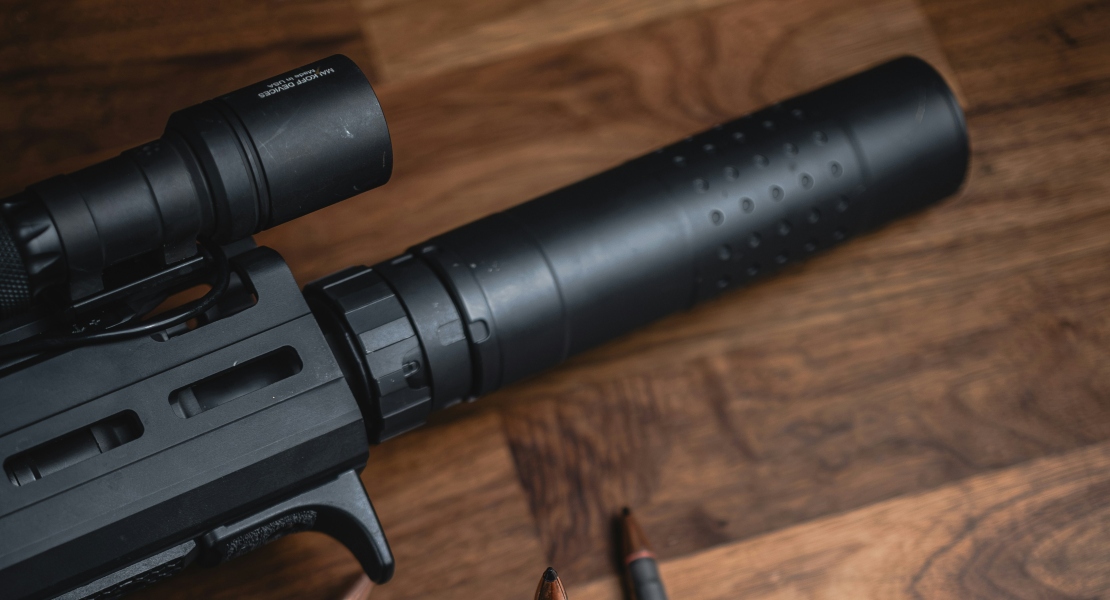
Same System, Different Setup Requirements
The AR-15 super safety suppressor combination works — but it requires acknowledging that the suppressor changes the operating conditions and adjusting the setup accordingly. Heavier buffer, shorter inspection intervals, more frequent cleaning, and awareness of accelerated wear are what separate a suppressed build that runs reliably from one that gets diagnosed at the range. The mechanism doesn’t change. The conditions it operates under do.
FAQs
Can you run a suppressor with an AR-15 super safety?
Yes — the systems are compatible, but the suppressor changes gas pressure and bolt velocity in ways that require tuning. Buffer weight and inspection intervals are the two variables that need adjusting before the suppressed build runs as predictably as the unsuppressed one did.
Does a suppressor affect the AR-15 super safety reset?
Yes. Increased bolt velocity from suppressor backpressure shifts reset timing and makes it feel less consistent until the system is tuned. A heavier buffer is the first adjustment — it slows the bolt and restores the cycling balance that the reset depends on.
What buffer do I need for a suppressed AR-15 super safety?
H3 is the recommended starting point. It adds enough resistance to slow bolt velocity under suppressor backpressure without making the system too slow to cycle. Verify with live fire — smooth cycling, consistent reset, and stable ejection pattern are confirmation that the buffer weight is correct.
Does suppressor use increase AR-15 super safety wear?
Yes — higher backpressure increases energy on the cam and lever contact points, which accelerates wear compared to unsuppressed builds at the same round count. Shorter inspection intervals and more frequent cleaning are the practical responses. Catch wear early, and the system stays predictable; miss it, and the reset geometry changes before anything obviously fails.