



Maintaining Your AR-15 Super Safety
Maintaining the AR-15 super safety means paying closer attention to four components — cam, lever, detent, and cut trigger contact surface — than the general maintenance principles alone require. Direct impingement fouling and M16 BCG contact patterns create wear rates on the AR-15 that don't exist on roller-delayed or piston-driven builds. Understanding those platform-specific differences is what separates a maintenance routine that prevents problems from one that only reacts to them.
The general how to clean and maintain a super safety principles apply across every platform — but the AR-15’s direct impingement system vents gas directly into the action. This creates fouling patterns that are specific to AR-15 super safety maintenance and worth understanding separately. The same cleaning interval that keeps an MP5 super safety running cleanly may leave an AR-15 super safety building carbon faster than expected.
Why Direct Impingement Changes the AR-15 Super Safety Maintenance Picture
Direct impingement vents gas straight into the upper receiver and onto the BCG — that gas carries carbon that deposits on every surface the BCG contacts, including the super safety lever and cam. On an MP5 or AK, the operating system doesn’t vent gas into the same space. The AR-15’s direct impingement system makes the super safety components dirtier and faster than any other platform it runs on.
Carbon deposits on the lever contact point build up with every shot cycle — the BCG strikes the lever and transfers carbon from the bolt carrier’s rear face onto the lever’s contact surface. In suppressed builds, this happens significantly faster — suppressor backpressure increases the carbon load vented into the receiver on every cycle, which is why suppressed AR-15 super safety builds consistently show lever binding developing before unsuppressed builds at the same round count.
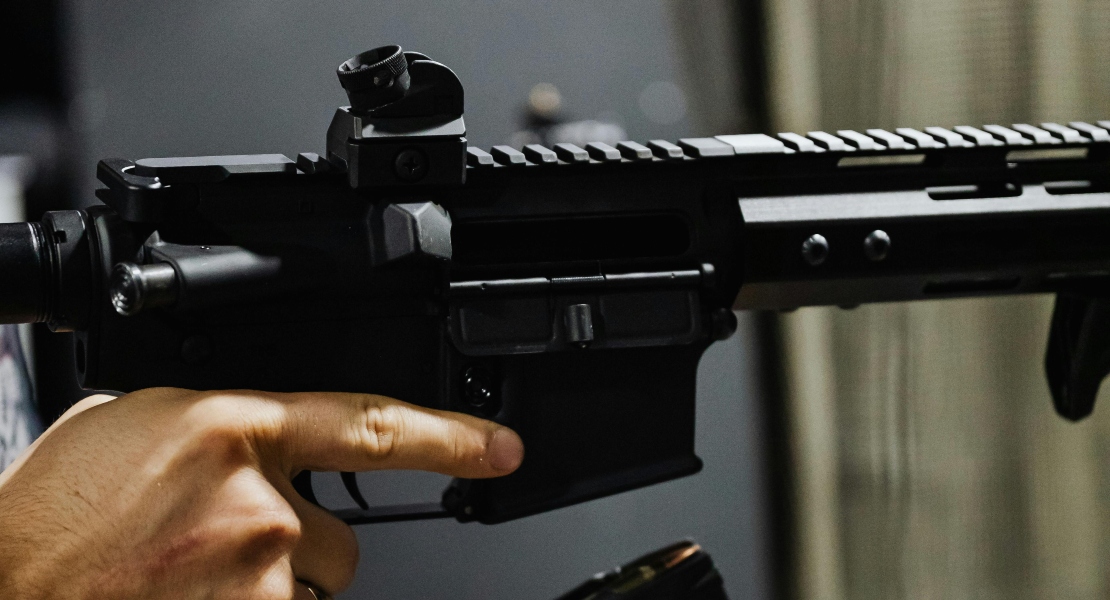
How to Inspect and Clean the Lever on an AR-15 Build
The lever’s contact point with the M16 BCG accumulates carbon and impact marks faster on an AR-15 than on other platforms. The M16 BCG is heavier than a standard semi-auto carrier. That extra mass transfers more impact energy to the lever per strike. Which is why wear evidence at the contact point appears sooner on AR-15 builds than the general maintenance guide suggests.
The range of motion test is the most reliable inspection method: with the upper removed and hammer cocked, push the super safety lever forward and backward through its full arc. It should move freely with zero binding. Any resistance means carbon at the pivot or a burr at the BCG contact point. The most common AR-15 lever maintenance issue is carbon buildup that goes unnoticed because the lever still passes a casual visual inspection — the binding only shows under the range of motion test with moderate finger pressure, not a quick look.
Cam Cleaning on the AR-15 — Why the Interval Matters
The cam surface accumulates carbon from two sources on the AR-15 — the direct impingement gas and the cut trigger contact during the reset cycle. Both deposit carbon on the cam shelf simultaneously, which means the AR-15 super safety cam needs more frequent attention than on platforms without gas venting into the receiver.
Cleaning the cam requires abrasive work, not solvent alone. Solvent removes loose carbon but leaves friction-polished buildup that changes the cam’s contact geometry. Fine abrasive or 400-grit sandpaper on the cam shelf restores consistent contact without altering geometry. Builders who skip the abrasive pass and clean with solvent only often notice the reset feeling progressively heavier over several hundred rounds — the carbon polish on the cam shelf increases friction on the trigger contact surface without looking like obvious fouling.
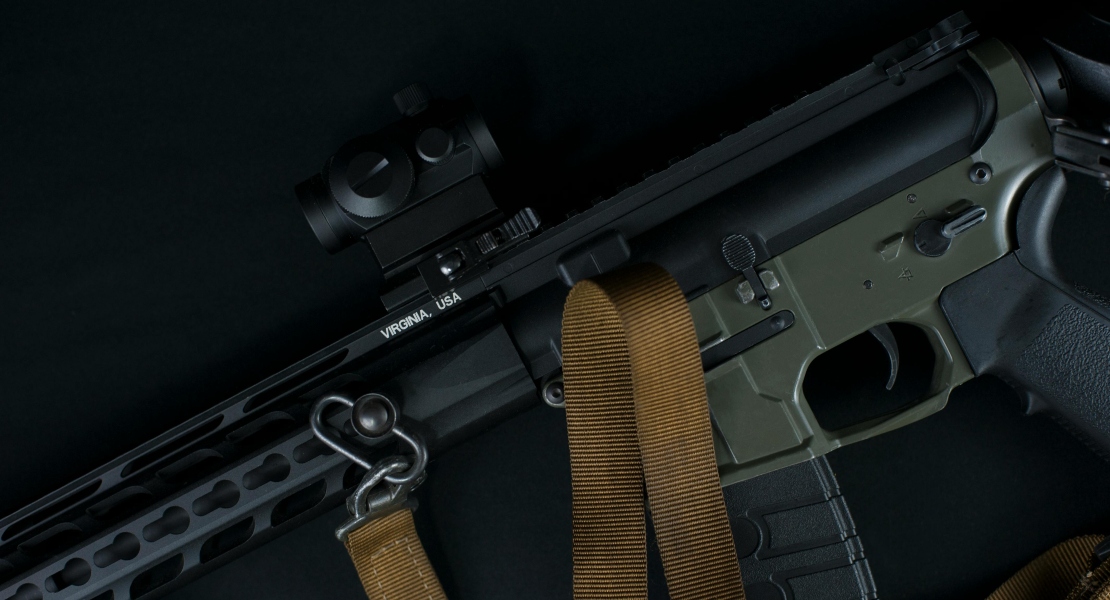
The Detent and Gas System Length
Gas system length affects how aggressively the BCG cycles, which directly affects how much impact energy the detent absorbs per shot. Carbine-length systems cycle more aggressively than mid-length or rifle-length systems. The detent sees more impact per cycle and wears faster as a result. On carbine-length builds, positions go soft before the general detent replacement interval suggests, because the sharper cycling impulse accelerates the flattening of the detent profile.
The rounded super safety parts — specifically the rounded detent — matter more on carbine-length builds for exactly this reason. A standard detent profile flattens faster under the sharper carbine impulse. This is why the rounded profile is worth prioritizing on shorter gas system builds.
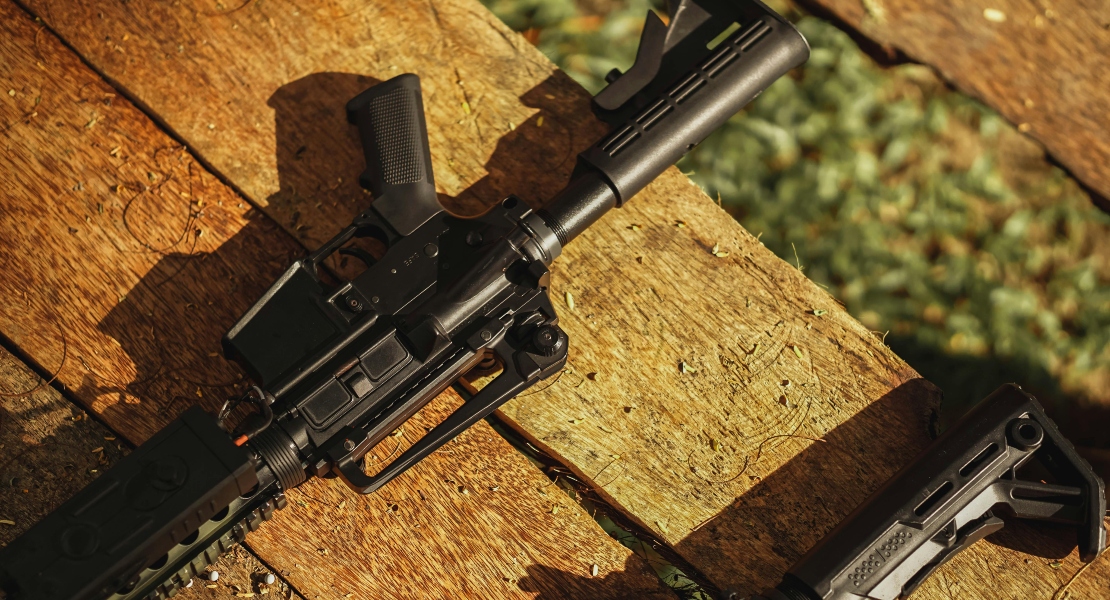
Post-Range Inspection Sequence for AR-15 Builds
The AR-15’s direct impingement fouling makes a post-range inspection more important than on other platforms — carbon builds up during the range session and hardens as the firearm cools. Cleaning immediately after shooting is significantly more effective than cleaning the next day. A consistent AR-15 super safety maintenance routine catches fouling before it hardens. Builders who delay post-range firearm inspection consistently report more effort needed to remove carbon, particularly on the cam shelf, where hardened carbon requires more abrasive passes.
Work through this sequence after every range session:
- Lever contact point — most carbon, check first
- Cam shelf — combined direct impingement and trigger contact fouling
- Detent click check — verify positions feel distinct and positive
- Cut trigger surface — carbon at the cam ride point changes reset timing
Each step takes under a minute. This connects naturally to the broader question of how often you should clean your firearms. On the AR-15, super safety components need attention on the same schedule as the rest of the action, not separately.
Same Components, Platform-Specific Attention
The cam, lever, detent, and cut trigger surface are the same components across every super safety build. But direct impingement fouling, M16 BCG contact energy, and gas system length create wear patterns on the AR-15. This makes the intervals and inspection priorities for AR-15 super safety maintenance different from the general guide.
FAQs
How often should I clean my AR-15 super safety?
It depends on the gas system length and suppressor use. Carbine-length unsuppressed builds should be inspected every 300–500 rounds. Suppressed builds need attention sooner — the increased carbon load from backpressure means fouling accumulates faster at the lever and cam contact points.
Does the gas system length affect how often I need to clean the super safety?
Yes. Carbine-length systems cycle more aggressively and deposit more carbon per shot than mid-length or rifle-length systems. The detent wears faster, the lever accumulates carbon faster, and the cam shelf needs more frequent abrasive cleaning. If you're running carbine-length, shorten your cleaning interval compared to what a general maintenance guide suggests.
Why does my AR-15 super safety feel gritty after cleaning?
A gritty feel after cleaning almost always traces to carbon polish remaining on the cam shelf rather than loose fouling. Solvent removes surface residue but leaves a friction-polished layer that increases resistance during the reset cycle. A light abrasive pass on the cam shelf — 400-grit or finer — is what removes it.
Does the M16 BCG requirement affect super safety wear on the AR-15?
Yes. The M16 BCG is heavier than a standard semi-auto carrier and transfers more impact energy to the lever contact point on every cycle. That extra energy is why lever wear marks and carbon buildup appear faster on AR-15 builds than on other platforms running the same super safety components.