



Post-Range Firearm Inspection: Steps to Help Protect Performance and Parts
A post-range firearm inspection helps identify residue buildup, early wear, and hidden issues after shooting. Checking key components right away supports reliability, extends lifespan, and prevents performance problems during future range sessions.
After every range session, your firearm goes through heat, pressure, and repeated cycling. Most problems don’t appear during shooting — they show up later if inspection is skipped. Handling and transport can also affect alignment or loosen components. Many shooters ask what to check after shooting a firearm, especially when no issue appears. That is where a post-range firearm inspection helps. It reveals fouling, wear, and small problems before they grow. This guide gives you a simple checklist to follow after every session.
Always Confirm the Firearm is Unloaded First
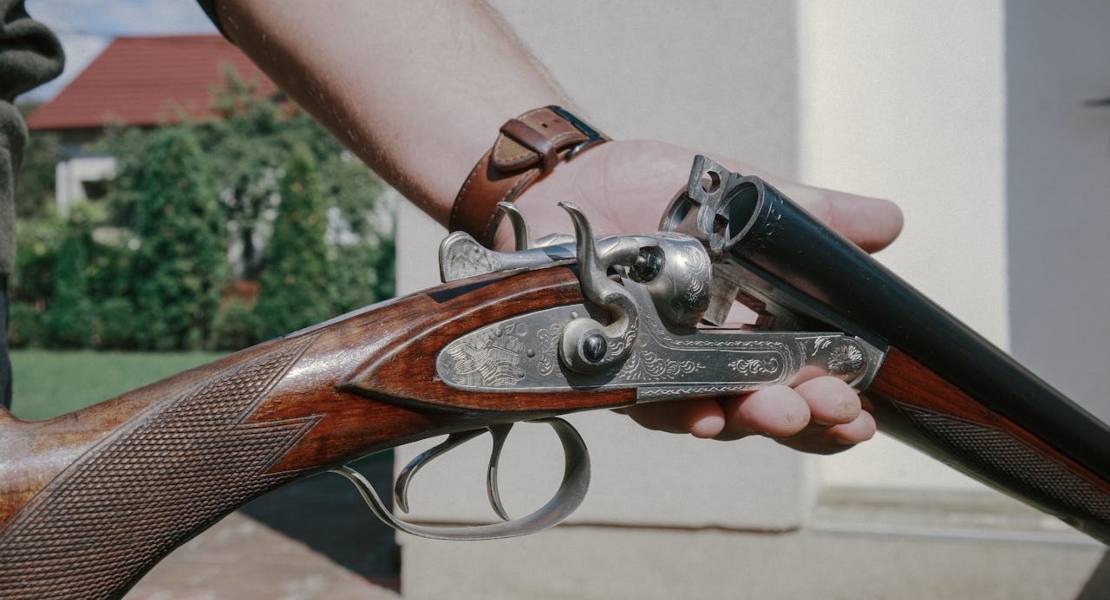
Always confirm the firearm is unloaded before starting any inspection. Your inspection should never begin until the firearm is fully cleared.
Start with the basics:
- Remove the magazine
- Lock the action open
- Visually inspect the chamber
- Physically check the chamber with a finger
Do not rely on memory. Even if you just finished shooting, always verify manually. This is a core part of any post shooting firearm inspection. Keep the muzzle pointed in a safe direction the entire time. Safe handling does not stop just because the shooting ended.
Inspect the Barrel for Fouling and Buildup
Residue buildup in the barrel is one of the most common effects after shooting. You may see:
- Carbon fouling from burned powder
- Copper streaks from jacketed rounds
- Lead deposits from certain ammunition
Use a light to inspect the bore carefully. This step is essential in any firearm inspection after shooting.
Fouling increases friction. That affects accuracy and consistency. Over time, it can also increase pressure inside the barrel.
If your shots feel inconsistent or accuracy drops, the barrel is often the cause. This is why shooters often ask about how often you should clean your firearms. Inspection helps you decide when cleaning is actually needed.
Check the Action for Wear and Debris
Residue tends to build fastest around contact points, which is why those areas often show the first signs of wear. Focus on:
- Bolt or slide condition
- Rails and moving surfaces
- Contact points between metal parts
Cycle the action slowly without ammunition. It should move smoothly. This is a key part of a post range gun maintenance check.
If it feels slow or sticky, residue or dry contact points are usually the cause. Pay extra attention to critical components like the AR15 fire control group.
Examine the Magazine After Shooting
Magazines should always be checked after use. Look at:
- Internal cleanliness
- Spring tension
- Follower movement
- Exterior condition
This step is often overlooked in the steps to inspect a gun after shooting, but it matters a lot. Dirt inside the magazine can affect feeding. Weak springs can cause inconsistent cycling.
Many feeding problems come from the magazine, not the firearm itself. That is why this step belongs in any basic firearm inspection after use.

Inspect Ammunition Before Storing It
Unused ammunition should always be checked before storage. Check for:
- Dents or deformation
- Signs of moisture exposure
- Corrosion or discoloration
This is part of understanding how to check a gun after shooting, because ammo condition directly affects performance. Separate any damaged rounds immediately. Do not mix them with usable ammunition. Ammunition condition can change during transport and handling, even during a short trip home.
Check Sights and Mounted Accessories
Many shooters notice accuracy changes and assume it is a technique. In reality, loose mounts are often the reason. So, be sure to inspect:
- Optic mounts and screws
- Iron sight alignment
- Attached accessories like lights or grips
This is a practical part of learning how to inspect a firearm after range use. Even a small shift can affect accuracy. Tighten anything that feels loose.
Perform a Full Function Check
A function check confirms that all parts still work correctly. Go through:
- Trigger reset
- Safety engagement
- Smooth cycling of the action
This step completes your firearm condition check after the range session.
Also, inspect specialized components if installed. Parts like super safety parts or systems should be checked carefully for proper engagement.
Prepare the Firearm for Storage
Proper storage protects your firearm between sessions. Before storing:
- Make sure the firearm is clean and dry
- Apply light lubrication where needed
- Store in a cool, dry place
- Use a safe or protective case
This step is part of a complete after shooting gun inspection routine. Moisture and residue can cause damage if left unchecked.
Common Mistakes Shooters Make After the Range
Many performance issues come from skipped steps. Common mistakes include:
- Skipping inspection because the firearm “felt fine”
- Storing without checking for residue or moisture
- Ignoring small wear signs
- Leaving magazines unchecked
Another common oversight involves not checking upgraded or modified components, including systems like firearm super safety, which still require regular inspection to ensure proper function.
Understanding why post-range firearm inspection is important helps prevent these habits. Small oversights lead to reliability problems over time.
Simple Post Range Firearm Inspection Checklist You Can Follow Every Time
A consistent routine makes inspection easier. Use this post range firearm inspection checklist for beginners:
- Confirm the firearm is unloaded
- Inspect the barrel for fouling
- Check action movement
- Examine the magazine’s condition
- Inspect unused ammunition
- Verify sights and attachments
- Perform a function check
- Prepare firearm for storage
Keep this checklist simple and repeat it after every session.
Furthermore, separating your inspection routine into stages, including a quick pre-range firearm inspection before your next session, helps you catch issues early and avoid repeated problems.
Build a Routine that Protects Performance
A post-range firearm inspection helps you catch residue, wear, and early damage right after shooting. Checking the barrel, action, and magazines supports consistent performance and extends the lifespan of your firearm. Simple habits make a big difference. When you inspect your firearm regularly, you reduce the risk of malfunctions and avoid costly repairs. Over time, this routine becomes automatic. It builds awareness and confidence with every session. Take a few minutes after each range visit. That effort keeps your firearm reliable, safe, and ready for the next use.
FAQs
What to check after shooting a firearm?
Check the barrel for fouling, the action for smooth movement, and the magazine for dirt or damage. Also inspect sights, screws, and any mounted accessories. A quick overall condition check helps catch early wear.
How do you check a gun after shooting?
Start by confirming the firearm is unloaded, then inspect the barrel, action, and key components. Cycle the action slowly and perform a basic function check. Finish by checking ammunition and preparing the firearm for storage.
Why is post range firearm inspection important?
It helps detect residue buildup, wear, and small issues before they turn into bigger problems. Regular checks improve reliability and extend the lifespan of your firearm. It also supports safer handling and consistent performance.
What are basic firearm inspection steps after use?
Unload the firearm, inspect the barrel, and check the action for smooth operation. Examine magazines, sights, and unused ammunition. Finish with a function check and proper storage preparation.