



What a Function Check Can’t Tell You About Live Fire
A function check confirms that the safety, trigger, and reset work when you cycle the action by hand. It can't show what happens at live-fire speed. An M4's 700–900 round-per-minute cyclic rate means the action completes its full cycle in roughly 67 to 86 milliseconds, driven by gas pressure, ammunition energy, and buffer mass. Reset timing, primer strike energy, and bolt lockup under recoil only show up with live ammunition, so a passed check means you're cleared to test fire, not that the build is finished.
You install a new trigger, pull the charging handle a dozen times, and every reset clicks right where it should. The function check passes. Then the first magazine at the range stops on round three. Nothing about that check was wrong. It just tested a different rifle than the one you fire: one moving at hand speed, with no gas, no recoil, and no ammunition behind it. If you’ve just installed a firearm super safety, the function check is still the right first step. Redacted Arms makes super safety systems for the AR-15, MP5, and AK, and the same rule applies to all three: a function check proves the parts move, and live fire proves they run.
What Does a Function Check Actually Verify?
A function check runs the fire control group through its sequence with an empty rifle. Put the selector on safe and press the trigger. Switch to fire and press again. Then hold the trigger back, cycle the action, and release the trigger slowly until you hear the reset. Each step has a pass or fail answer, and the whole sequence takes seconds.
The cycling step is hand cycling: pulling the charging handle or racking the bolt yourself to stand in for a shot. RifleShooter’s version adds the magazine, bolt catch, and accessories, and American Rifleman’s bench check covers every control before ammunition is involved. Every version shares one limit. The action only moves as fast as your hand does.
Hand Speed and Live Fire, Side by Side
| Behavior | What a hand cycle confirms | What only live fire reveals |
|---|---|---|
| Trigger reset | The disconnector catches and releases the hammer | The reset finishes before the carrier returns at full speed |
| Hammer and firing pin | The hammer falls and drives the pin forward | The strike carries enough energy to ignite every primer |
| Feeding | Dummy rounds strip and chamber under a slow push | Rounds feed at carrier speed, one after another |
| Bolt lockup | The bolt closes into battery | The bolt reaches full battery on every cycle, at speed |
| Extraction and ejection | Dummy rounds extract and eject by hand | Fired cases extract after pressure and heat, with a consistent ejection pattern |
Why Hand Cycling Can’t Reproduce Live Fire
Four things change between the bench and the range:
- Speed. The Army’s TC 3-22.9 breaks the AR’s cycle of function into eight steps, from feeding through cocking. At the M4’s cyclic rate of 700–900 rounds per minute, the action runs all eight in roughly 67 to 86 milliseconds. A semi-auto AR’s carrier moves at that same kind of speed on every shot, and your trigger finger only sets the pause between cycles. By comparison, Action Target puts a practiced function test at 5 to 10 seconds per magazine.
- Energy. Live fire drives the carrier with gas pressure from each cartridge, and that pressure changes with the load, bullet weight, and powder. That makes ammunition choice part of the test, not an afterthought. A rifle that resets cleanly with one load can run differently with a softer one.
- Mass and timing. Buffer weight sets how fast the carrier returns, and that sets how much time the trigger has to reset. A standard carbine buffer weighs about 3 oz, an H2 about 4.7 oz, and an H3 about 5.4 oz. You can’t feel that difference on a charging handle, but the trigger feels it on every shot.
- The session itself. Carbon builds, lubricant thins and burns off, and parts warm up. A clearance that works on a clean rifle at room temperature can tighten after a few hundred rounds.
Why Do Ar-15 Reset Problems Hide at Hand Speed?
An AR-15 trigger has to reset before the carrier finishes its return stroke. At hand speed, the trigger always wins that race. At live-fire speed, a light buffer, an overgassed system, or a fast-returning carrier can beat it. The result is a trigger that feels dead on the next press, even though every reset at the bench was crisp.
That’s the most useful clue for diagnosing reset failures. If the super safety lever trips by hand but not under live fire, the problem is carrier travel, not alignment. The function check already ruled out alignment. Live fire is what tests timing.
How MP5 Light Strikes Slip Past the Bench
MP5 builds have their own live-only failure. On an MP5 super safety build, the hammer has to deliver enough energy to fire the primer, and the bolt has to sit fully in battery when it does. A hand cycle shows the hammer falling. It doesn’t show whether that strike ignites a primer every time.
Light primer strikes are the textbook case. Hammer geometry, an ejector lever that lets the bolt wobble short of battery, and spring imbalance can all cut strike energy. Redacted Arms’ own MP5 troubleshooting notes that bench function tests won’t always catch them. The roller-delayed bolt only shows its real timing with a cartridge firing behind it.
AK Fit That Feels Right by Hand
The AK is where hand cycling earns the most credit. Cam binding, trip bar seating, and shim count are AK installation problems you can actually find by hand. Remove the trip bar, cycle the bolt, and test after every adjustment. Most fitting work belongs at the bench.
The AK super safety ships with a FIME trigger jig and five washers for shimming, because fit varies between hosts like the PSA GF series, WASR-10, and Arsenal. A carrier that clears the trip bar cleanly at hand speed still has to clear it at full speed, with the gas piston driving it rearward and the recoil spring slamming it home. Only live fire confirms that your shim stack holds up.
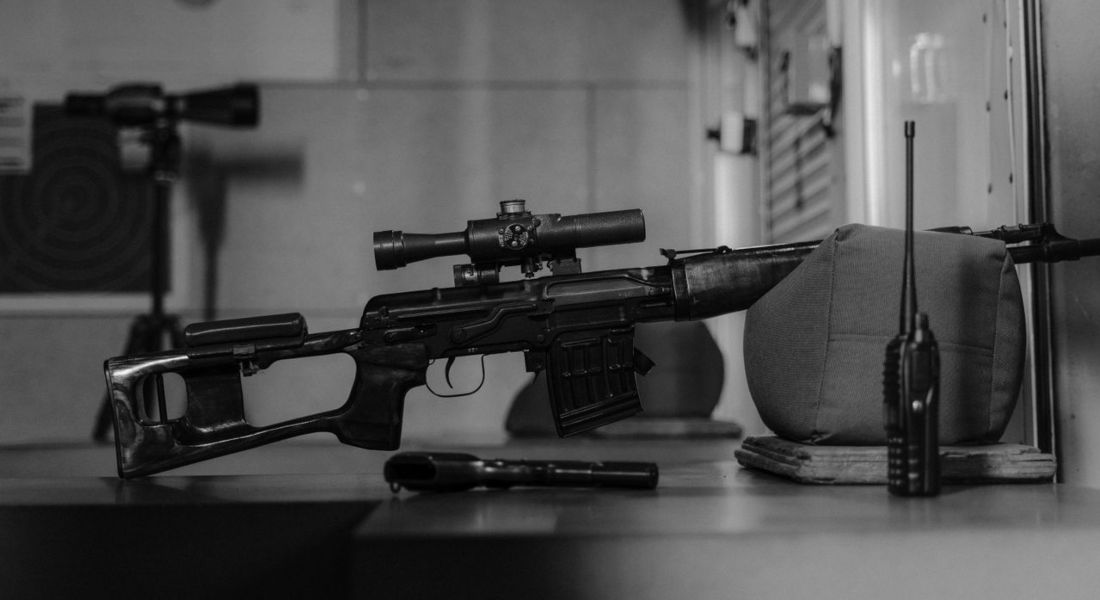
The Same Gap Shows Up in Optic Mounts
The split isn’t unique to triggers. Push on an optic, and it doesn’t move, so the mount passes a static check. Zero retention under recoil is a separate property, and you can only test it by shooting groups. Torque, rail fit, and clamping design decide whether a mount holds, and none of them show up when you wiggle it by hand.
How Do You Validate a Build After It Passes?
Run live fire in stages, so each step adds one variable:
- Load one round and fire. Confirm the reset and ejection.
- Load two rounds. This tests a live reset feeding straight into a second live shot.
- Fire a full magazine at a slow pace, then again at your normal cadence.
- Repeat with a second load, such as a different bullet weight or brand.
- If you run a suppressor, repeat the magazine suppressed.
- Check fired cases for primer strike depth and ejection pattern, then look at the carrier and fire control parts for new drag or wear marks.
This follows the same logic as American Rifleman’s trust-but-verify approach. An unloaded check can’t tell you where the gun will hit or whether your ammunition runs through it. A staged session can, and if something stops, it tells you which variable caused it.
Treat a Passed Check as Step One
A function check answers one question: are the parts installed and moving in the right order? Live fire answers the one that matters: does the rifle run at speed, with real gas, real ammunition, and real recoil? A build isn’t finished until it passes both.
Redacted Arms backs its super safety systems with installation guides, video walkthroughs, and community support for exactly this stage. If you’re building around the super safety kit for the AR-15 platform, run the function check first, then the staged live-fire sequence above, before you trust the rifle.
FAQs
What is an AR-15 function check?
An AR-15 function check is an unloaded test of the fire control group. You confirm the safety blocks the trigger, the hammer falls on fire, and the trigger resets when you cycle the action with the trigger held. It verifies that parts are installed in the right order, not that the rifle runs reliably under live fire.
Why do a function check without ammo?
Running it empty lets you find a fire control problem before live ammunition is involved. A fault like a hammer that follows the bolt forward is a parts issue on an empty rifle. With a loaded chamber, it becomes a safety issue.
Can a gun pass a function check and still malfunction?
Yes. Hand cycling runs the action slowly, with no gas pressure, recoil, or ammunition energy. Reset timing, primer strike energy, and bolt lockup at speed only show up when you fire live rounds.
How do you test fire after installing a trigger?
Start with one round, then two, then a full magazine at a slow pace and again at your normal cadence. Repeat with a second ammunition load, and suppressed if you run a suppressor. Finish by checking fired cases and fire control parts for strike depth, ejection pattern, and new wear.
What does hand cycling actually test?
Hand cycling tests whether parts are present, installed correctly, and moving in the right order at slow speed. It can't reproduce carrier speed, buffer timing, or gas pressure, which are the conditions behind most live-fire failures.
Is dry firing the same as a function check?
No. Dry firing means pressing the trigger on an empty chamber, usually for practice. A function check is a specific sequence of safe, fire, and reset steps that verifies the fire control group after cleaning or installation.