



What Causes Light Primer Strikes in MP5 Super Safety Builds
Light primer strikes in an MP5 super safety build come from a chain of geometry and energy problems created by running an AR FCG in a roller-delayed host, not from a defective part or a faulty super safety. The hammer is the most common starting point, but rarely the only variable. Fixing this reliably means identifying which link in that chain is breaking down, because a single part swap almost never solves it completely.
The build looks right. Dry-fire checks out. Then live rounds fail to ignite, or only the first one fires, and the rest don’t. If you’ve run into this after setting up a firearm super safety, the cause for light primer strikes MP5 super safety is almost always mechanical: a mismatch between AR FCG geometry and the roller-delayed system it’s now running inside.
Why Running an AR FCG in an MP5 Changes the Hammer’s Energy
The OEM MP5 hammer is designed around roller-delayed blowback geometry. The pivot point, arc, and face profile are all matched to how the bolt carrier moves and where the firing pin sits. When you install an AR FCG in an MP5, that relationship changes. The AR hammer pivot sits closer to the firing pin, which means the hammer swings through a shorter arc before impact. That shorter arc reduces rotational momentum, so the hammer arrives at the firing pin with less energy than the platform was designed to receive. And that’s before any modifications are made.
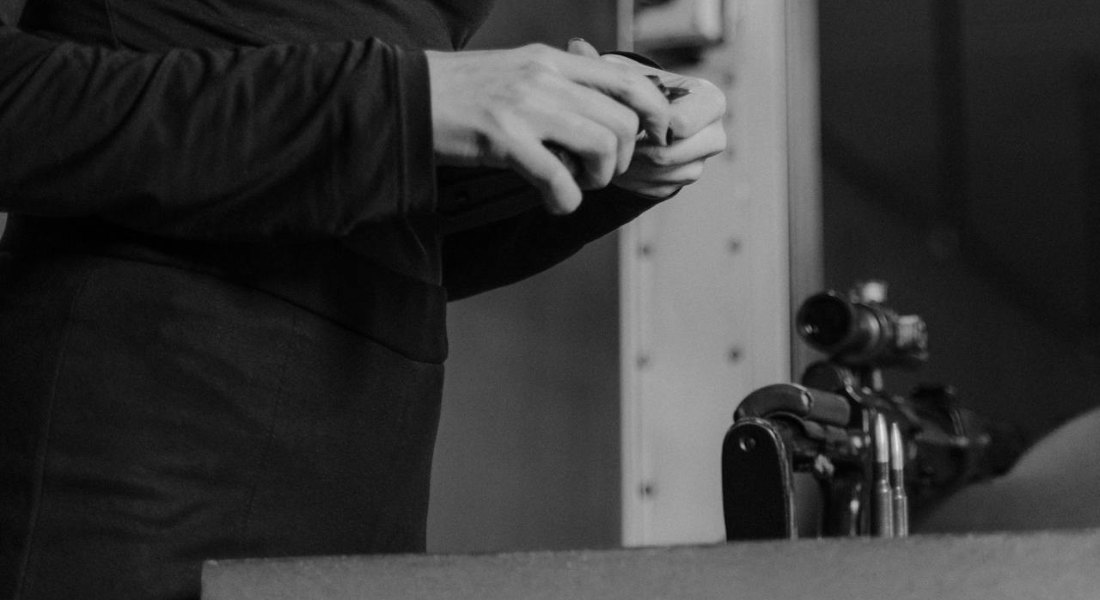
The problem compounds when builders grind the AR hammer to prevent BCG lockback on full-size hosts. Every pass removes mass. Less mass means less strike energy, and the hammer’s geometry is now working against the platform twice. Once from the pivot position, once from the reduced weight.
We’ve seen builds where progressive hammer grinding led to zero ignition entirely, with the builder chasing buffer and locking piece combinations while the hammer was the variable the entire time. A purpose-built MP5 super safety hammer, machined for the bolt carrier geometry rather than modified from an AR part, eliminates this variable. The MP5 super safety kit includes the FCG combination designed to work within these constraints rather than fight them.
How the Ejector Lever Prevents the Bolt From Reaching Battery
This is the cause we see misdiagnosed most often. In aftermarket MP5 lowers, Leber V2 MP5 and ARMP5v3 Rev1 are the most common. The ejector lever can develop side-to-side wobble when the FCG housing doesn’t hold it tightly. When the lever sits off-center in the bolt carrier groove, the bolt carrier can’t travel fully into battery. The round looks like a light primer strike, but the firing pin never had a chance — the bolt wasn’t home.
The fix is lower-specific. On Leber V2 setups, carefully compressing the FCG housing reduces ejector lever slop. On ARMP5v3 Rev1 lowers, the ejector lever nut needs to be checked and torqued. In both cases, the confirmation test is simple: the lever should have zero lateral wobble but move freely up and down when you rotate the lower. A genuine HK ejector lever is less likely to cause this than aftermarket or surplus parts, some of which are slightly over-spec at the rear and interfere with full bolt travel.
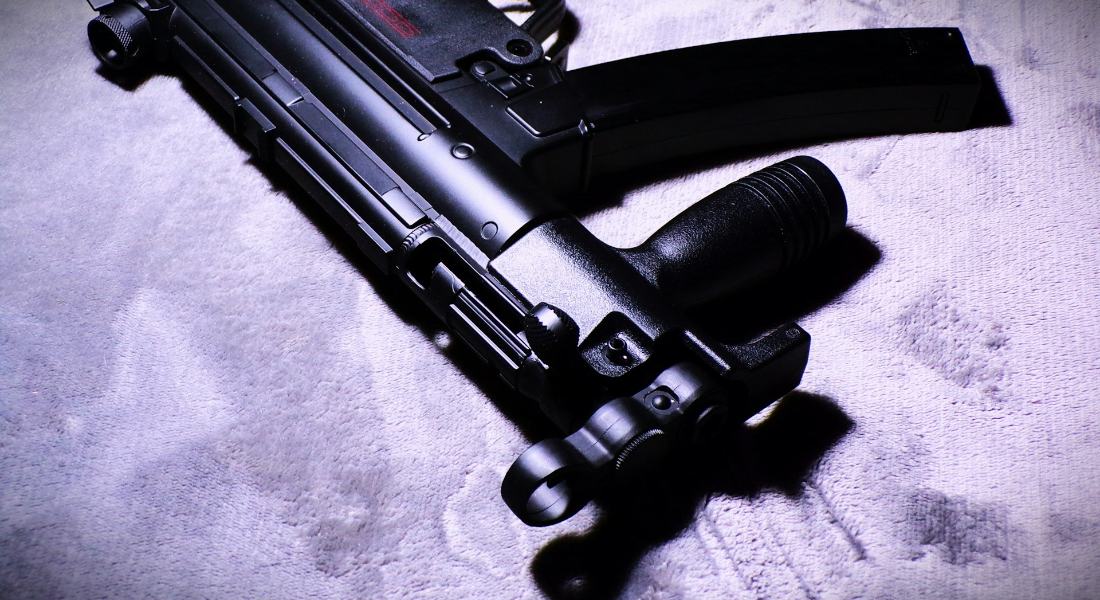
How the Firing Pin Spring and Hammer Spring Work Against You
Both springs affect how much energy reaches the primer in the MP5 platform, and they work as a pair. This is why fixing one while ignoring the other is the most common reason this problem keeps coming back. The firing pin spring creates resistance that the hammer has to overcome on the strike. The hammer spring determines how much force the hammer generates. In a build where hammer mass is already reduced, fixing the spring balance is often what tips a marginal setup into reliable ignition.
The two variables to check:
- Hammer spring — a heavier hammer spring increases strike force and is the right fix when hammer follow, or insufficient impact energy is suspected. Builders running suppressed MP5 builds with 147gr loads often need this as part of a combination fix, not standalone.
- Firing pin spring — trimming approximately one-third of the firing pin spring length reduces resistance without affecting safety or reliability. This is a low-risk change that can meaningfully shift the energy balance on builds where hammer mass is marginal.
Change one at a time. Changing both simultaneously makes it impossible to know which variable actually mattered.
How to Fix Light Primer Strikes in an MP5 Super Safety Build
The diagnostic sequence matters as much as the fixes themselves. Changing multiple variables at once produces a working gun and no understanding of what caused the problem, which means the next build starts from zero.
Work through this in order:
- Check the ejector lever: confirm zero lateral wobble, free vertical movement. This is the most overlooked cause and the easiest to verify before touching anything else.
- Evaluate the hammer: if you’re running a ground AR hammer, assess how much material was removed. Any significant rounding reduces mass and strike energy. Consider a purpose-built MP5 hammer.
- Check the hammer spring: compare against a known-good spec. A heavier spring is the right move if hammer follow is suspected, or impact energy is marginal.
- Trim the firing pin spring: clip roughly one-third of its length and retest before making additional changes.
- Test with quality brass-case ammo: steel-case and budget brass have harder primers. If the problem disappears with better ammo, the setup is marginal, and the underlying cause still needs addressing.
- Reassess the buffer: if you’re running the rubber buffer tube on a full-size host, see the next section.
Bench function tests won’t always surface this. So, cycle the bolt by hand, watch the trip move full travel without binding, and verify the hammer contacts the firing pin centered and squarely, but expect that live fire may still reveal issues that the bench didn’t.
When the Buffer and Ammo Are Contributing Factors, Not Root Causes
The rubber MP5 buffer is frequently misread as a solution to light primer strikes. It isn’t. Its job is to limit bolt travel on full-size hosts to prevent the bolt carrier from traveling past the hammer and locking up to the rear. It solves a BCG lockback problem by shortening the bolt’s return stroke, which reduces forward momentum.
Ammo is a diagnostic tool, not a fix. Harder primers, common in steel-case and budget brass, push a marginal setup past the ignition threshold. If your build runs reliably on quality brass-case but fails on steel-case or mixed lots, the setup is close but not dialed in. Suppressed full-size MP5 builds expose this more readily than unsuppressed, because the increased backpressure changes the timing and energy balance across the whole system.
Light Primer Strikes in an MP5 Super Safety Build Are Solvable — If You Work the Problem in Order
There is no single part swap that fixes light primer strikes MP5 super safety. It’s a geometry and energy chain — hammer arc, ejector alignment, spring balance, bolt velocity — and each link needs to be checked in sequence before conclusions are drawn. The builders who solve it quickly are the ones who change one variable at a time and verify before moving to the next. If you’ve addressed the hammer and ejector and are still seeing issues, super safety not resetting is a related failure mode that can sometimes present alongside ignition problems in the same build.
FAQs
Does the super safety itself cause light primer strikes?
No. The super safety is a selector mechanism. It controls fire mode, not hammer energy or firing pin travel. The light primer strike problem is a consequence of running an AR FCG inside a roller-delayed platform, which changes the hammer geometry and energy chain. The super safety is the reason for the AR FCG, but it isn't the cause of the strikes.
What hammer should I use in an MP5 super safety build?
A purpose-built MP5 super safety hammer is the most consistent solution. Modified AR hammers introduce variability based on how much material was removed and from where. Some purpose-built kits also include both standard and higher-power hammer springs to cover primer sensitivity across different ammo types.
Why does my MP5 only fire the first round after installing a Super Safety?
The "first round fires, rest don't" pattern typically points to a buffer or bolt velocity issue rather than the hammer. The buffer tube limits bolt travel, which means after the first round, the bolt isn't returning to battery with enough momentum for the hammer to strike with full force. This is distinct from the hammer geometry problem and needs to be addressed separately, usually by evaluating whether the buffer is still needed once the hammer geometry is sorted.
Does buffer weight affect primer strikes in an MP5 Super Safety setup?
On full-size MP5 hosts, yes. But as a contributing factor, not a root cause. The buffer reduces bolt travel to prevent BCG lockback, but in doing so, it also reduces the bolt's forward momentum on return. On a build where hammer energy is already marginal, that reduced momentum tips the system toward light strikes. Addressing the hammer geometry first usually reduces or eliminates the need for the buffer tube entirely.