



What Is a Detent in Firearms and Why It Matters
A detent is a spring-loaded part that holds components in position while allowing regulated movement. It creates indexed stops and prevents drift. Without it, parts lose alignment and move without resistance.
Most people pulling apart a firearm for the first time don’t know what a detent is until one goes missing or launches across the room. At that point, the question stops being theoretical. A detent controls where parts sit and how firmly they hold position. It’s what gives a selector its click and keeps components from drifting during use. Because detents work under spring pressure inside tight channels, they’re easy to confuse with pins or other small components that look similar but do completely different jobs. In grouped systems like a firearm super safety setup, getting that distinction wrong changes how the whole mechanism behaves.
What Is a Detent in Firearms?
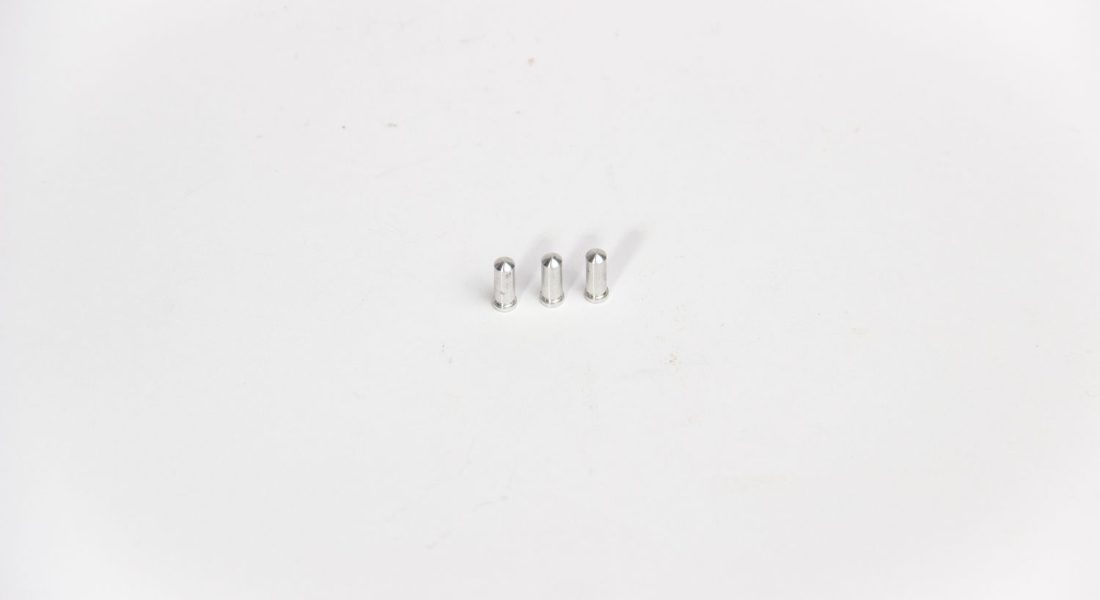
Unlike a screw that locks parts tightly or a pin that acts as a fixed support, a detent applies pressure to hold a part in position while still allowing controlled movement when needed. What makes detents distinct from other small firearm components is that their job is intentionally incomplete. They’re not designed to hold permanently; they’re designed to hold until told otherwise.
That distinction matters when selecting replacements, because a detent that holds too firmly creates resistance where the system expects free movement, and one that holds too loosely fails to maintain position at all. That margin depends on spring rate and contact geometry.
What Does a Detent Do in a Firearm?
Control is the short answer. The detent function in firearms comes down to keeping parts aligned and preventing moving during use, while still allowing movement between defined positions like clicks or indexed stops. Without that indexed resistance, a selector has no defined stop. It moves freely between positions rather than locking into them. In other words, it means the shooter can’t confirm position by feel alone and has to verify visually every time.
How Detents Work in Firearm Systems
Spring pressure and physical engagement are the two elements behind how detents work in firearms. A small detent piece sits under constant spring load, pressed into a groove or notch on an adjacent part. When enough force is applied, the detent compresses against the spring and rides out of the notch, allowing the part to reposition before dropping into the next groove — a cycle the super safety detent is specifically shaped to handle consistently across repeated use. That release and re-engagement is what creates the click. And why a worn detent or underspec spring produces a selector that moves without resistance rather than between defined stops.
Types of Firearm Detents
Shape and placement determine which type fits a given application. The most common firearm detent examples break down into three categories based on how they engage and what they’re designed to hold:
- A rounded safety detent is the right choice when the priority is a smooth, consistent feel across repeated selector movement.
- A pointed or locking detent trades that smoothness for stronger retention — useful where the part needs to resist movement under heavier force or recoil.
- Flat-ended variants are the most application-specific of the three and generally appear where the geometry of the channel requires a flush contact surface rather than a curved one
These firearm detent examples show how small design changes affect how the system behaves during use — and why material choice between options like 316 stainless steel and 6061 aluminum affects how long that behavior stays consistent under repeated use.
Where Are Detents Located in a Firearm?
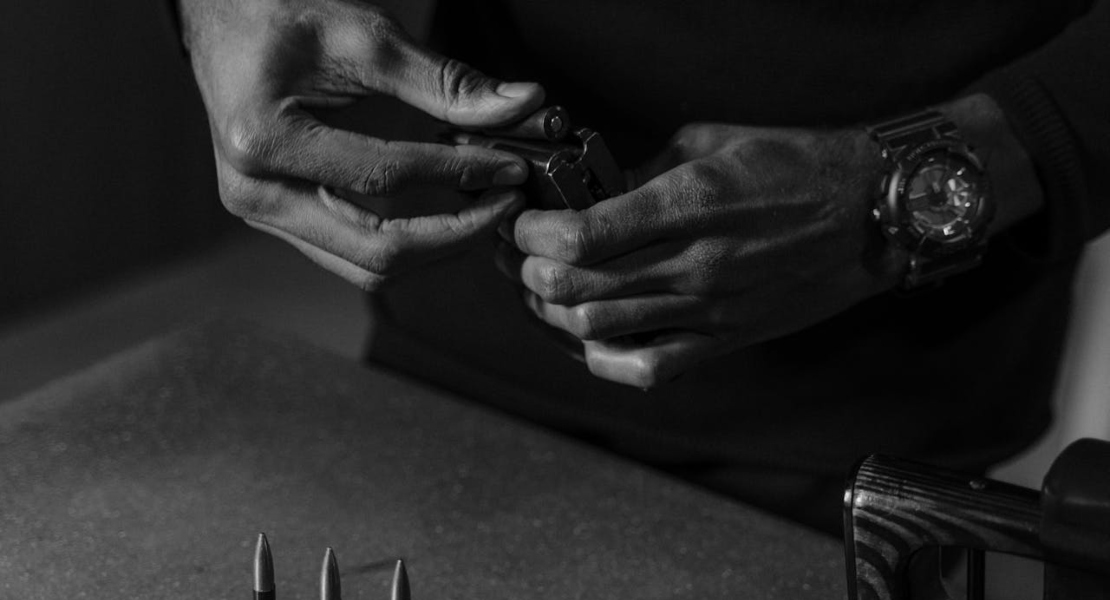
Placement follows function. Detents appear wherever movement needs to be controlled without fully locking a part — most commonly in safety selector mechanisms, trigger-related areas, and retention points for moving parts.
These areas rely on small firearm components to maintain consistent positioning. In super safety parts setups, detent placement is particularly precise because the mechanism depends on exact indexed stops to function correctly.
Identifying a Detent Among Other Internal Components
Knowing how to identify a detent in a firearm comes down to three things:
- Small cylindrical or pointed shape
- Found near a spring or inside a channel
- Positioned where parts click or lock into place
Why Detents Matter in Firearm Systems
A selector that won’t hold position, a part that shifts under recoil, a mechanism that feels inconsistent between uses — these are the symptoms that explain why detents matter in firearms before they’re ever noticed as the cause.
An underspec detent is often what causes a selector that feels solid during initial function testing but gradually walks out of position after sustained use. It’s small enough to miss during inspection, consistent enough to matter over time.
Understanding why small firearm parts wear out faster in certain conditions helps set realistic expectations for how long a detent stays within spec before replacement becomes necessary.
What Happens If a Detent Fails?
Failure rarely looks dramatic. When a detent fails, the first sign is usually a part that feels looser than it should or a selector that stops clicking cleanly into position.
A common pattern is a selector that still moves between positions but no longer holds under recoil. The detent is present, the spring is present, but the contact point has worn flat enough that resistance drops below what the system needs. Because everything appears installed correctly, the detent is usually the last thing checked. So knowing the signs of worn trigger components before something stops working is more useful than diagnosing after the fact.
When Should You Replace a Detent?
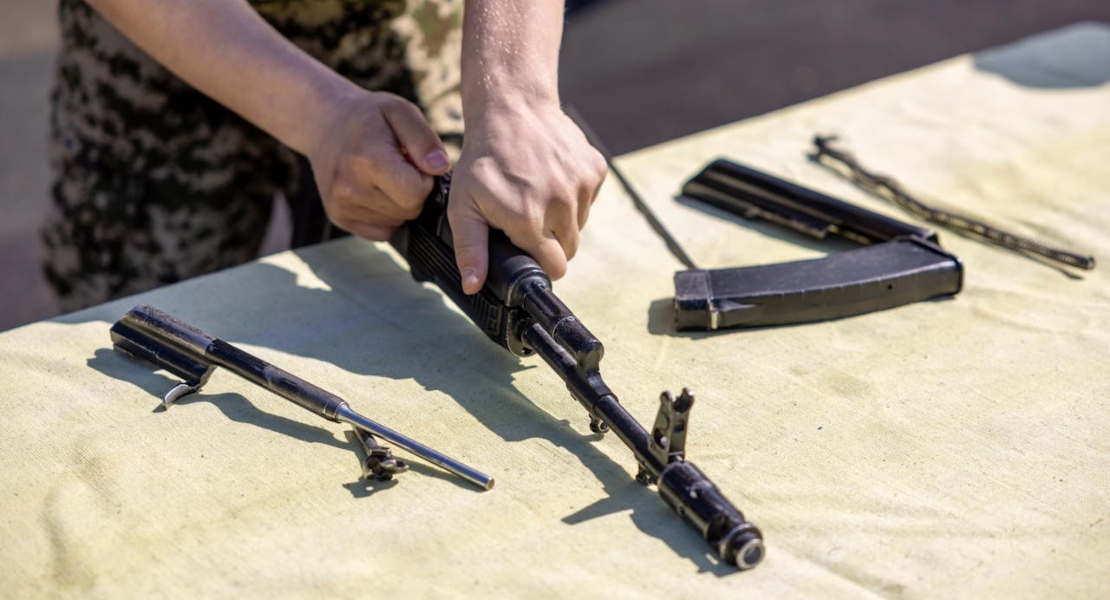
- When the selector no longer clicks cleanly into position
- When parts shift or won’t stay indexed
- When the contact point shows visible wear or flattening
- When resistance feels inconsistent between positions
If these signs appear, replacing the component rather than the full kit is usually the right call, as long as the spring and seating geometry are checked at the same time.
Small Part, System-Wide Effect
Every symptom covered above — drift, inconsistent feel, loss of fixed positions — traces back to one small component doing its job or failing to. That’s what makes detents worth understanding before something goes wrong. When handled correctly, detents support consistent operation and prevent alignment issues. When ignored or damaged, they can cause movement problems and system failure. That is why even the smallest parts deserve attention when maintaining or understanding firearm mechanisms.
FAQs
What is a firearm detent?
A detent is a small part that holds another component in a fixed position using pressure while still allowing controlled movement.
Can I reuse a detent after disassembly?
Usually yes, as long as the detent shows no visible wear, deformation, or flattening at the contact point. If it no longer seats firmly or the spring tension feels reduced, replace it rather than reinstall it.
What's the difference between a detent and a retaining pin?
A retaining pin holds parts together as a fixed support. A detent holds a part in position through spring pressure while still allowing movement. They can sit near each other in the same assembly but do different jobs.
Does detent material affect performance?
Yes. Stainless steel detents like the 316 variant resist corrosion and hold their shape longer under repeated use. Aluminum options like the 6061 are lighter but suit specific setups where weight matters more than long-term wear resistance.