


When to Replace Trigger Parts Instead of Spending More on a Full Kit
Knowing when to replace trigger parts instead of buying a full kit helps you fix specific issues without unnecessary upgrades. In most cases, one worn component affects performance, while the rest of the system remains functional.
A change in trigger feel does not always mean the whole system needs to be replaced. In many cases, the problem comes from one worn component, not the entire assembly. That is why many shooters weigh replacing trigger parts against buying a full kit before deciding what to do next. Making the right call when to replace trigger parts can reduce cost, avoid unnecessary upgrades, and bring the trigger back to reliable function. This matters whether you are maintaining a super safety setup or simply trying to fix a performance issue without replacing more than needed.
Identifying The Real Issue Before Making Changes
Always identify the exact problem before deciding to replace trigger parts. Start with the symptom you can actually notice, such as inconsistent pull, weak reset, or rough movement. Then connect that change to the component most likely causing it, instead of assuming the entire system needs replacement. In many cases, one worn part creates the issue while the rest of the trigger still functions as it should.
Understanding what an active reset trigger does can also help clarify how individual parts affect reset behavior and overall trigger response. Careful inspection makes troubleshooting more precise and helps you decide whether a targeted replacement is enough.
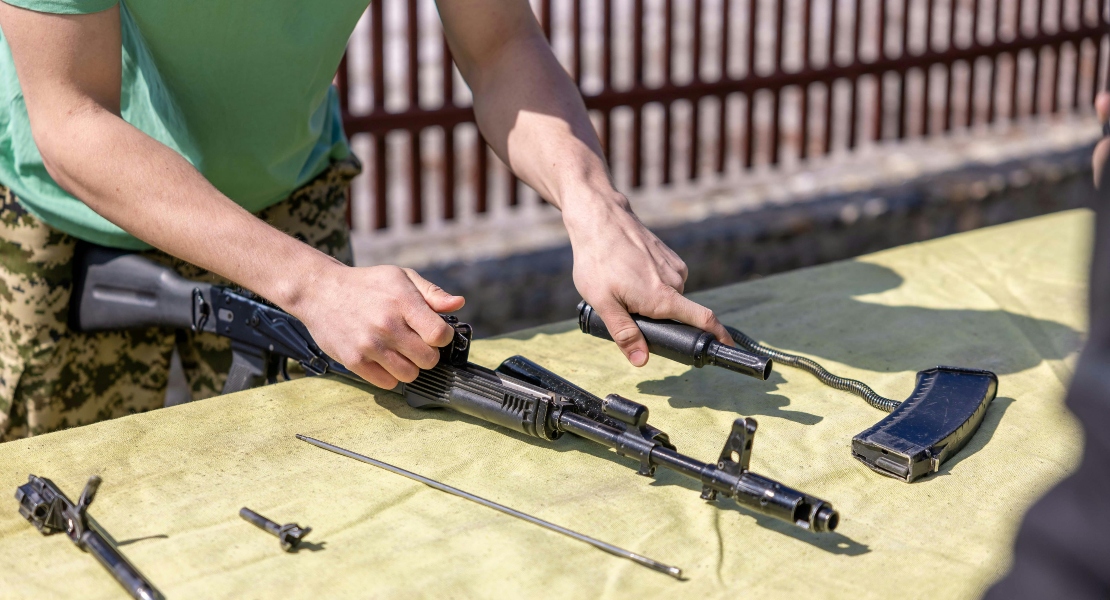
In practice, most trigger issues come from one or two worn contact points, not the entire system, which is why full kits often fix problems that were never there in the first place.
Trigger Components That Typically Wear First
Certain trigger components wear sooner than others because they absorb more friction during normal use. The parts most likely to show early wear include:
- Sear engagement surfaces
- Trigger return springs
- Disconnector contact points
- Pins and small moving components
Because these areas cycle repeatedly, even minor wear can affect pull consistency, reset feel, or overall trigger response. Knowing which trigger parts wear out first helps you inspect the right areas and choose targeted replacement instead of a full kit.
Clear Signs You Only Need Partial Replacement
Specific symptoms usually point to localized wear rather than a system-wide problem. If the trigger still works but feels slightly different, the issue often comes from one component instead of the full assembly. Common examples include minor pull inconsistency, a reset that feels weaker but still functions, or slight roughness during movement.
These are often early signs of worn trigger components, not signs that the entire setup needs to be replaced. When performance changes gradually instead of failing outright, targeted replacement is usually the more practical solution. In these cases, replacing the worn part can restore function without the added cost of a full kit.
When A Full Trigger Kit Makes More Sense
A full trigger kit makes more sense when wear affects more than one part. If you notice multiple problems at once, such as inconsistent pull, weak reset, and rough movement, the issue may involve several components instead of a single worn area. The same applies when parts show obvious damage, or the system has gone a long time without proper maintenance. In that situation, replacing parts one by one can cost more time without fully solving the problem.
A full upgrade may also be the better choice when your goal is not just to restore function, but to improve overall performance. For example, a super safety trigger cut can make more sense when reliability and performance need to be addressed at the same time.
Comparing Costs: Parts Vs Full Kit
Replacing individual parts usually costs less than installing a full kit. Springs, pins, and similar components are often inexpensive, while full trigger kits require a larger upfront purchase. A full kit may also involve more installation time and a bigger change to the existing setup.
If the problem comes from one worn part, spending more on a complete replacement often adds cost without adding value. Comparing the cost of replacing trigger parts vs a full kit helps you choose a fix that matches the actual issue.
Performance Differences Between Replacement and Upgrade
Replacing worn parts brings the trigger closer to its original function. A full upgrade changes how the system feels and responds. If your goal is reliable operation, targeted replacement is often enough. If you want a lighter pull, a different break, or a faster reset, a full upgrade may make more sense.
That is where the trigger repair vs replacement decision becomes more than a maintenance choice. For users who want to fine-tune performance without replacing everything at once, super safety parts can help support a more customized setup.
When Replacement Is the Smarter Long-Term Option
Replacement is often the smarter long-term option when the trigger still performs well overall and wear is limited to one or two parts. It lets you keep the original system balance, reduce cost, and avoid unnecessary changes to parts that still work properly. This approach also helps extend the service life of the rest of the assembly. If the main goal is to fix wear without changing the entire trigger system, targeted replacement is usually the more efficient choice.
For users who want a small adjustment alongside routine maintenance, the H3 buffer super safety can complement an existing setup without requiring a full overhaul.
Mistakes People Make When Choosing Upgrades
Many upgrade mistakes happen before the real issue is identified. Common examples include:
- Assuming every issue requires a full kit
- Ignoring early wear signs
- Replacing parts without inspection
- Choosing upgrades without understanding the benefits
These decisions often increase cost without improving performance. Reviewing common AR-15 safety issues can also show how small overlooked problems turn into larger mechanical concerns over time.
When To Replace Trigger Parts Instead Of Buying a Full Kit
This checklist helps you decide when to replace trigger parts instead of upgrading. Before inspecting any trigger components, make sure the firearm is unloaded, pointed in a safe direction, and handled according to standard firearm safety rules.
- Identify the specific trigger issue
- Check for localized wear
- Confirm overall system condition
- Compare the cost of parts vs. the full kit
- Define your goal (restore or improve performance)
- Avoid replacing more than necessary
Replace Smart Instead of Upgrading Blindly
Knowing when to replace trigger parts instead of buying a full kit can save money and lead to a better result. Many trigger problems start with one worn part, not a complete system failure. That is why inspection matters before any upgrade decision. If the issue is limited, replacement often restores reliable function without changing the feel of the entire setup. A full kit makes more sense when several components are affected or when you want a different level of performance. The better choice comes down to the actual condition of the trigger, the cost involved, and the result you want to achieve.
FAQs
When should you replace trigger components?
Replace trigger components when you notice inconsistent pull, weak reset, or visible wear on contact surfaces that begins to affect overall function.
Is it better to replace or upgrade a trigger?
It depends on the goal. Replacement restores original function when wear is limited, while upgrades change pull weight, reset, or overall trigger performance.
How do you know if trigger parts are worn out?
Look for changes in pull consistency, reset strength, or smoothness, along with visible wear on sear surfaces, springs, or contact points.
Which trigger parts wear out first?
Sear engagement surfaces, springs, and contact points usually wear out first because they handle repeated friction and mechanical stress during use.