



Military Firearms That Failed in the Civilian Market
Many military firearms that failed in the civilian market struggled because their design priorities focused on battlefield requirements rather than civilian practicality. Military rifles often emphasize durability, select-fire capability, and specialized combat roles. Civilian shooters usually prioritize affordability, modularity, and legal compliance. As a result, features that work well in combat environments can make certain firearms less appealing or accessible for civilian buyers.
Military weapon development follows battlefield priorities first. Engineers design service rifles to survive harsh conditions, operate with automatic fire, and remain dependable during combat use. Civilian shooters usually want different things. Most buyers prefer affordable rifles, simple maintenance, and compliance with firearm laws. Features that benefit soldiers may add unnecessary complexity for everyday range use. Because of these differences, some military rifles performed well in service but never gained strong civilian demand. This article explains the mechanical and market reasons behind military firearms that failed in the civilian market, and why certain designs struggle outside military service.
Military Design Goals Often Differ From Civilian Needs
Military firearm design prioritizes durability, select-fire capability, and battlefield reliability rather than civilian practicality.
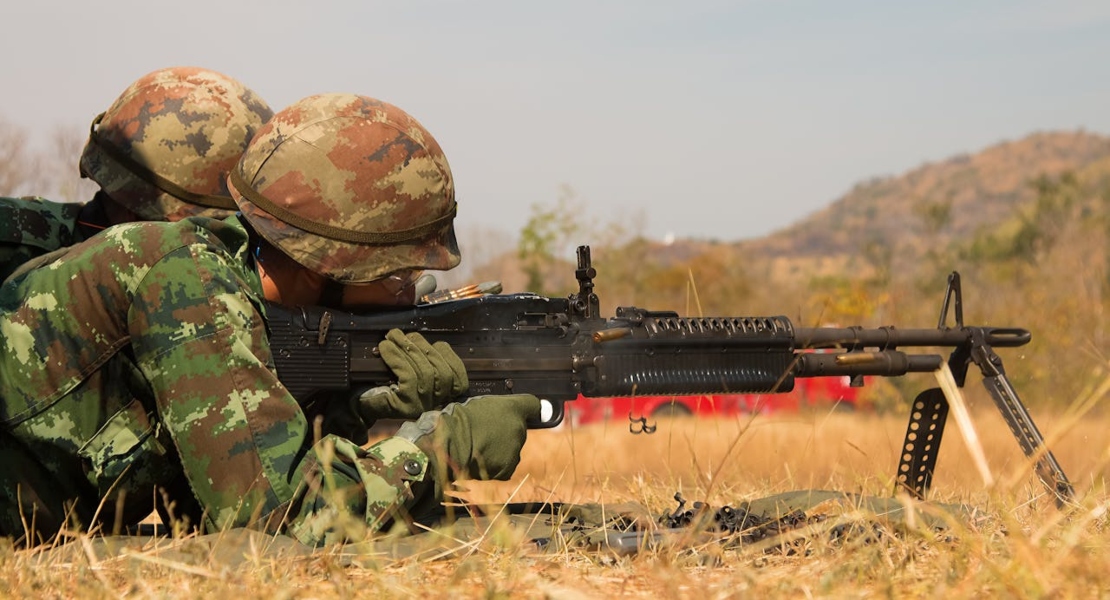
Service rifles must survive mud, sand, rain, and long deployment cycles. Engineers test them under conditions that most civilian shooters never encounter. Military standards demand thousands of rounds fired without failure, often under limited cleaning conditions.
This focus shapes how many military rifles are built:
- Loose tolerances help maintain reliability during combat.
- Heavier components increase durability.
- Full-auto capability supports suppressive fire roles.
However, these features can reduce appeal for civilian buyers. Many shooters prefer lighter rifles with tighter tolerances that improve accuracy. They also prefer simple mechanical systems that remain easy to maintain at home.
In addition, military design priorities sometimes create rifles that feel overbuilt for civilian use. A soldier may need a reliable rifle capable of surviving months in extreme environments. Civilian shooters typically prioritize comfort, affordability, and customization.
Understanding these differences helps explain why some military guns fail commercially, even when their battlefield performance remains impressive.
Cost and Manufacturing Complexity
High manufacturing costs often prevent military firearms from gaining civilian popularity.
Military procurement contracts often justify expensive machining processes and specialized components. Governments may accept higher production costs if a weapon meets operational requirements. Civilian buyers, however, operate in a competitive market where price strongly influences purchasing decisions.
Many military rifles that struggled commercially share several traits:
- Extensive machining requirements
- Limited production runs
- Complex parts manufacturing
- High retail prices
Civilian variants sometimes cost significantly more than comparable rifles. Buyers usually compare them with cheaper platforms that offer broader aftermarket support.
For example, modular platforms allow owners to upgrade and customize their rifles easily. The civilian market supports a large ecosystem of firearm parts and accessories, which encourages long-term adoption.
A platform with limited parts availability or expensive proprietary components often struggles to gain traction among civilian shooters. Owners prefer rifles that allow easy upgrades and quick replacement of worn parts. When replacement components are difficult to find or overly expensive, many buyers simply move toward more common platforms.
Select-Fire Restrictions
Many military firearms rely on select-fire capability, which is restricted in civilian markets.
Automatic fire plays an important role in military doctrine. Select-fire rifles allow soldiers to switch between semi-automatic and fully automatic modes depending on the situation. Civilian firearm laws restrict automatic fire in most markets. Manufacturers, therefore, modify military designs into semi-automatic versions before releasing them commercially.
These changes can significantly alter how the rifle feels and performs. In some cases, removing automatic capability eliminates the feature that originally defined the platform’s tactical value.
Civilian versions of military rifles sometimes face additional challenges:
- Internal components require redesign for semi-automatic operation
- Fire control groups change significantly
- Some original mechanical features disappear
In contrast, civilian platforms built specifically for semi-automatic operation often perform better in that role. The success of modern sporting rifles illustrates this difference. Many shooters analyze why the AR-15 became America’s most popular rifle, and one major reason is that its design adapts easily to civilian shooting needs.
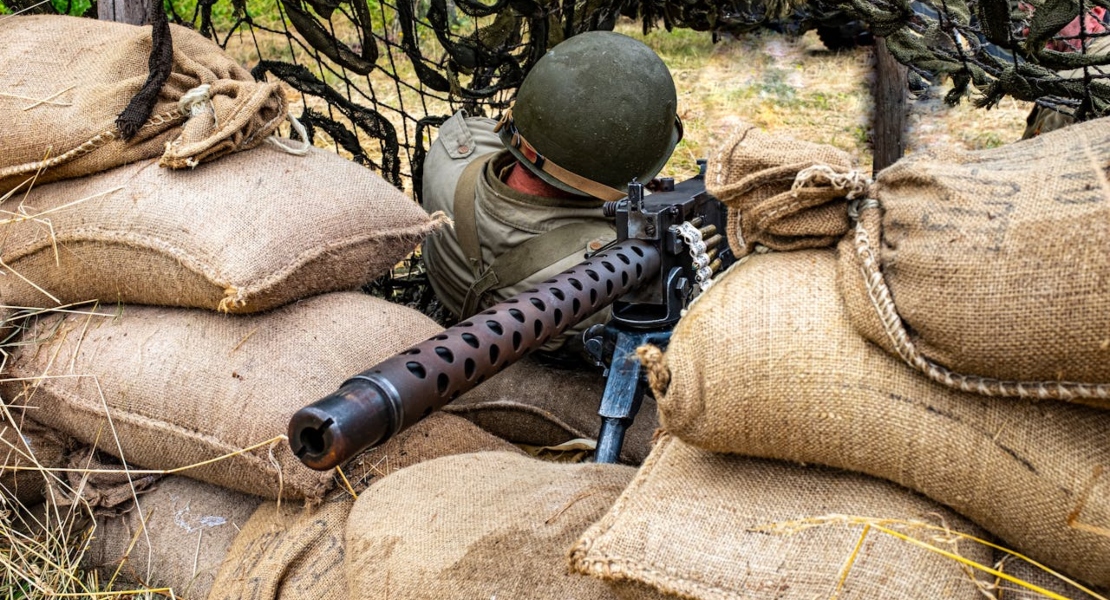
Accessories such as the AR15 super safety system or modular triggers also highlight how civilian platforms evolve around user customization. When a military rifle depends heavily on automatic fire capability, its semi-automatic civilian version may struggle to compete.
Maintenance Complexity
Some military weapons require maintenance procedures that discourage civilian ownership.
Military armories employ trained personnel who inspect, maintain, and repair firearms regularly. Soldiers often rely on professional armorers to keep equipment functioning during deployments. Civilian owners handle most maintenance themselves. Firearms that require specialized tools or advanced mechanical knowledge often lose appeal in the commercial market.
Common maintenance challenges include:
- Complicated field stripping procedures
- Multiple small internal components
- Specialized disassembly tools
- Difficult access to replacement parts
Owners may notice unusually frequent maintenance needs compared with more common rifles.
The civilian market favors simple designs that allow owners to clean and service rifles quickly. Platforms that accept upgrades easily also attract a wider audience. Many shooters install aftermarket components, such as an AK trigger upgrade, to improve performance while keeping maintenance straightforward.
Complex systems, however, can discourage new owners. Over time, these difficulties contribute to why certain military weapons were discontinued or remain niche products in the civilian world. Civilian shooters usually prefer rifles that field strip quickly and run reliably with minimal adjustment. When a platform demands frequent servicing or specialized knowledge, many buyers simply choose simpler alternatives.
Specialized Military Roles
Weapons designed for niche military roles often lack broad civilian applications. Military planners frequently develop firearms for highly specific missions. These designs work well within structured tactical environments but rarely translate into widespread civilian use. Civilian shooters typically prefer versatile platforms that work for range training, competition, or general recreation, rather than weapons built for a single tactical role.
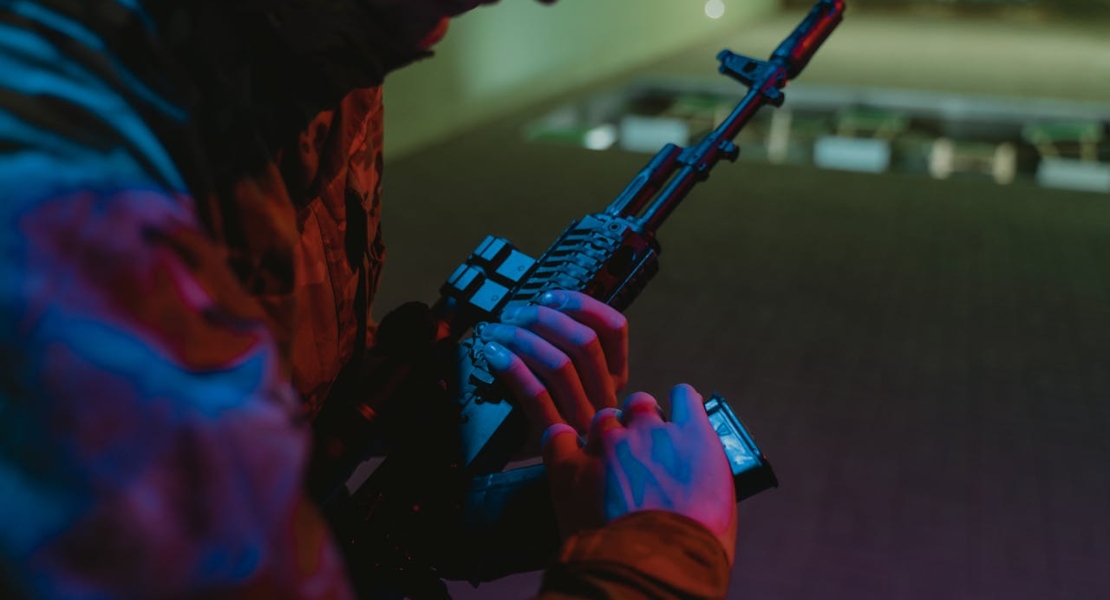
Examples include:
- Compact weapons designed for vehicle crews
- Extremely short carbines built for confined combat spaces
- Heavy automatic rifles intended for suppressive fire
Outside military service, these roles rarely exist. Civilian shooters typically prioritize versatility for target shooting, hunting, or recreational training. A rifle designed for a narrow tactical task may perform well in that role but offer little benefit for everyday civilian use. Because of that, many buyers choose platforms that adapt easily to different types of shooting.
In many cases, examples of unsuccessful military firearms share one common trait: they were designed for very specific tactical purposes. A weapon optimized for armored vehicle crews or special operations teams may perform extremely well in those environments. However, civilian shooters rarely need such specialized configurations.
Because of this, why some military weapons are rare on the civilian market often comes down to simple practicality. The rifle might function perfectly in combat conditions, but offer little advantage during normal civilian use.
Historical Examples of Limited Civilian Adoption
Several well-known military firearms illustrate why some designs fail commercially.
Throughout history, many military programs produced innovative but commercially unsuccessful rifles. Some suffered from high manufacturing costs. Others faced regulatory limitations or lacked modular features that civilian shooters expect.
Common characteristics appear among many military firearms that failed in the civilian market:
- Unique mechanical systems difficult to manufacture
- Limited aftermarket support
- Specialized military roles
- Reduced functionality in civilian versions
Cold War rifle programs produced several experimental designs that never translated into broad civilian demand. Some designs prioritized unconventional operating systems or unusual ergonomics. These innovations sometimes resulted in fascinating engineering concepts, especially in weapons inspired by Cold War design philosophies. However, unusual mechanical layouts also made civilian adoption more difficult.
Civilian shooters often prefer platforms with proven reliability, large accessory markets, and familiar ergonomics. When a rifle lacks those qualities, it may remain an interesting historical design rather than a commercial success. Enthusiasts may still appreciate the engineering behind it, but most buyers gravitate toward rifles that offer easier customization and long-term parts availability.
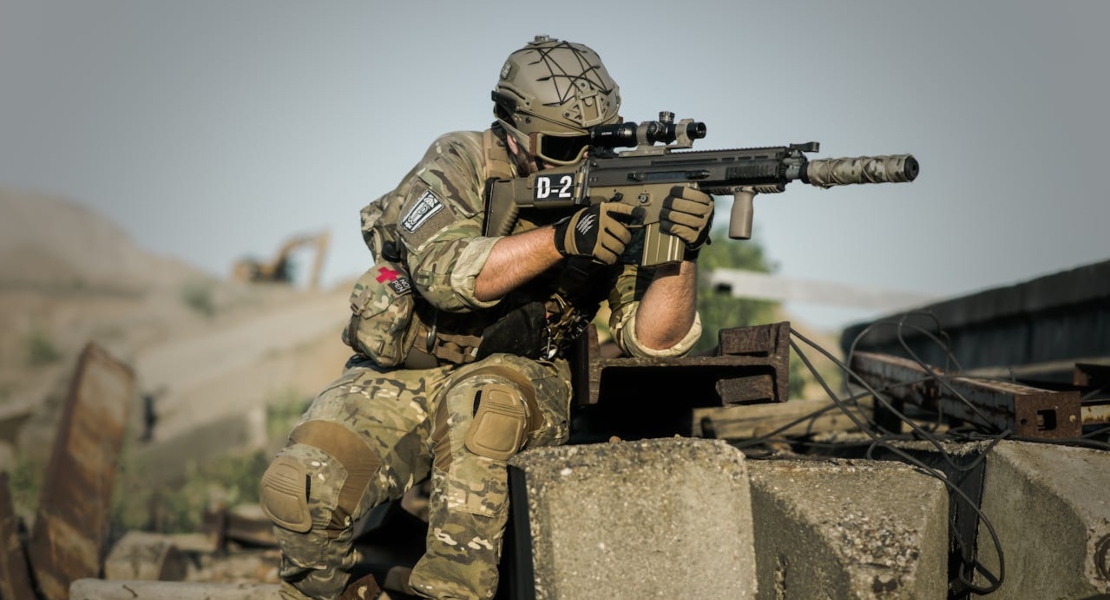
Military Success Does Not Guarantee Civilian Popularity
Military rifles serve battlefield priorities first. Durability, automatic fire capability, and specialized roles shape how these weapons are designed. Civilian shooters focus more on cost, practicality, and customization. Mechanical complexity and legal restrictions often limit adoption. These differences help explain why some well-known service weapons become military firearms that failed in the civilian market, remaining interesting designs but uncommon outside military use.
FAQs
Why do some military guns fail commercially?
Some military guns fail commercially because they are designed for battlefield needs rather than civilian use. Features like select-fire capability, heavy construction, or specialized roles may not appeal to civilian shooters.
Are civilian versions of military rifles different?
Yes, civilian versions of military rifles are usually modified to comply with firearm laws. They typically operate in semi-automatic mode and may have different internal components than their military counterparts.
Why are some military firearms expensive?
Some military firearms cost more because they use complex manufacturing processes and limited production runs. Specialized parts and lower commercial demand can also increase prices.
Can civilians legally own military-style weapons?
Yes, civilians can legally own many military-style rifles in semi-automatic form, depending on local laws. Regulations vary by country and state, so legal requirements differ widely.