


How a Suppressor Affects an AK Super Safety
A suppressor raises backpressure, so an AK's long-stroke piston drives the carrier harder and more gas and carbon come back through the action. For the AK super safety, that means harder trip bar contact, faster retainer plate and cam wear, and a reset that gets less consistent as fouling builds. Inspect after every suppressed session, retainer plate first.
A suppressor raises backpressure, and on an AK that changes how the whole action cycles. The long-stroke piston gets a harder push, the carrier runs back with more energy, and more gas and carbon escape through the action when the bolt opens. For an AK super safety suppressor setup, that shows up as harder carrier contact with the trip bar, faster wear at the retainer plate and cam, and a reset that gets less consistent as the rifle gets dirty. Redacted Arms builds reset systems for the AK, AR-15, MP5 and AR-9, and the AK version uses a cam, a trip bar and a titanium retainer plate that all sit in the path of that extra energy. The suppressor doesn’t change how the system works. It changes the conditions the system works in.
| What changes | Unsuppressed AK | Suppressed AK |
|---|---|---|
| Carrier speed | Baseline for the rifle’s gas port | Higher, with no regulator on most AKs to dial it back |
| Ejection | Consistent for the rifle and load | Usually more forceful; the pattern often shifts |
| Fouling in the trigger group | Low; the piston keeps most carbon out | Higher; more gas exits through the action as the bolt opens |
| Trip bar and cam contact | Normal impact at the carrier contact point | Harder impact on every cycle |
| Retainer plate | Wears with round count | Wears faster; lateral play shows up sooner |
| Reset feel | Consistent through a string | Can turn harsh or vary as fouling builds |
| Inspection interval | After every range session | After every session, with closer checks of the retainer plate and trip bar |
| Cleaning interval | Less frequent than an AR-15 | More frequent than the same AK unsuppressed |
What Does a Suppressor Change on an AK?
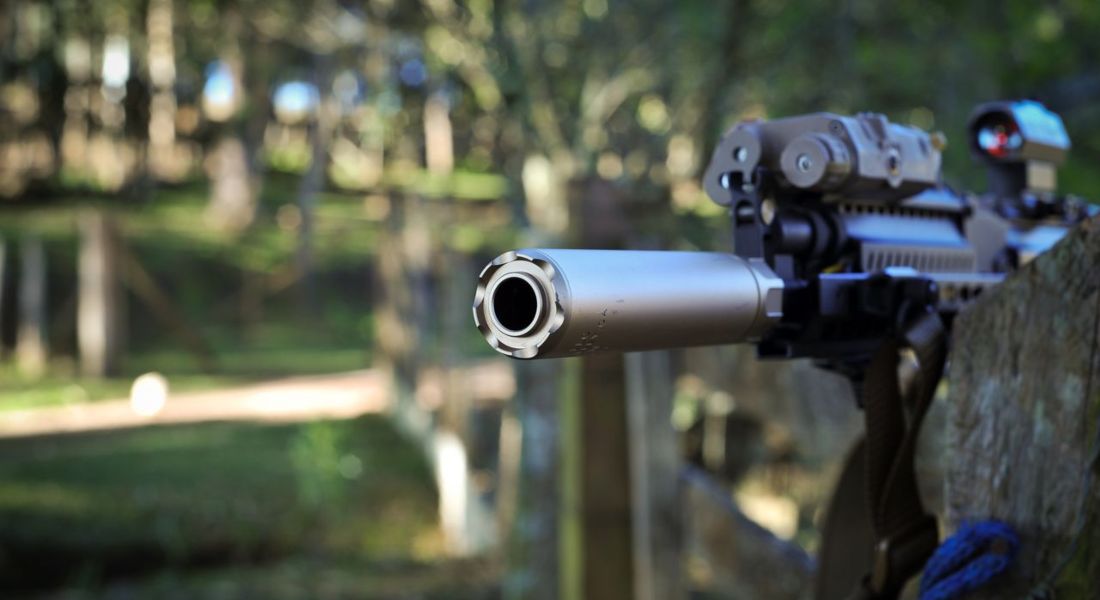
A suppressor traps gas that would otherwise leave at the muzzle. Pressure inside the bore stays higher for longer, so more of it reaches the gas port and more of it is still in the barrel when the bolt unlocks.
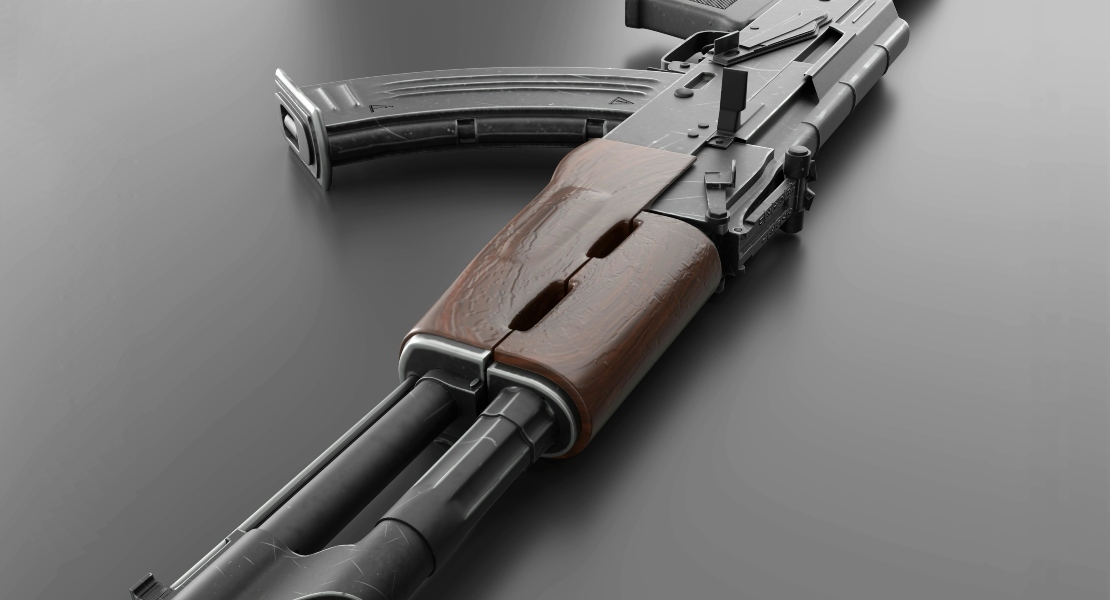
The AK runs a long-stroke piston: the piston is part of the bolt carrier, so gas drives the whole carrier assembly directly. Most AKs also have a fixed gas port with no regulator. When backpressure goes up, nothing in the gas system soaks it up, and the extra energy goes straight into the carrier. That’s the core difference from the short-stroke and long-stroke gas systems builders compare on other rifles.
The AR-15 handles the same problem with buffer weight, which is why a suppressed AR-15 super safety usually starts at an H3. The MP5 handles it through locking piece angle. The AK has neither a buffer tube nor a locking piece, so the tuning picture looks different.
Why Does Carrier Speed Matter to the AK Super Safety?
In the active reset position, the carrier is what drives the system. As it moves rearward it contacts the trip bar. The trip bar moves the cam, and as the carrier returns, the cam helps push the trigger forward into reset. The full sequence is laid out in how the AK super safety 3-position selector works.
Every one of those steps is timed by the carrier. A faster carrier hits the trip bar harder and shortens the time between contact and return. The parts still do the same job, but they take more impact per cycle, and the retainer plate absorbs more of the load that keeps the cam and trip bar located in the receiver.
What Symptoms Show Up After You Add a Suppressor?
Most changes appear in the first suppressed session, before any part has had time to wear. Watch for:
- Reset that works on slow fire but gets inconsistent in fast strings
- A harsher, more abrupt reset feel than the rifle had unsuppressed
- Ejection that moves or gets noticeably more violent
- Heavier carbon at the trip bar contact point, the cam shelf and the trigger cut surface
- More gas at the shooter’s face, especially on short-barreled AKs
If the reset fails outright, work through the common causes of a super safety not resetting before assuming the suppressor is the only factor.
Does Your AK Receiver Make a Difference?
Yes, and a suppressor makes small fit problems easier to notice. The AK super safety is designed around a FIME trigger, and the supported receivers are the Palmetto GF series, WASR-10 and Arsenal. It is not compatible with pistol-caliber, short-stroke or billet receivers, and Zastava AKs need modification.
AK receivers vary in internal width, pin spacing and selector hole alignment, so some fitting is normal. The trip bar sits loose by design, and its fin goes in front of the retainer plate. A setup that was marginal unsuppressed can start showing problems once the carrier hits harder. If you suspect fit, the guide to common AK super safety installation problems and the AK installation steps are the place to start.
What Should You Check on an AK Super Safety Suppressor Setup?
Start with the parts that take the hit, then work outward. Change one variable at a time so you know which change made the difference.
Ammunition
Use ammunition that matches the rifle’s chamber and stick with one load while you evaluate the setup. A suppressor already changes the operating conditions, so switching ammo at the same time makes it hard to tell which change mattered. The guide on how ammunition choice affects super safety function covers why consistency matters more than a hotter load.
Trip bar seating and fouling
Confirm the trip bar’s fin still sits in front of the retainer plate and that the bar moves freely through its full range. Look for fresh impact marks or rounding at the carrier contact tip. Resistance at the pivot usually means carbon or a developing burr.
Retainer plate and cam wear
Check the retainer plate for lateral play that wasn’t there at installation. Then look at the cam shelf for flat spots or a carbon ridge at the edge. Either one changes the cam’s contact angle with the trigger and shows up as reset feel before it shows up as a failure. Retainer plate play is the AK-specific wear item most builders check last.
One change at a time
If the rifle ran well unsuppressed, the suppressor is the variable. Clean and inspect first, then test again with the same load before replacing any part.
How Often Should You Clean and Inspect It?
The long-stroke piston is the AK’s advantage here. It keeps most carbon out of the trigger group, which is why an unsuppressed AK super safety needs less cleaning than an AR-15. A suppressor erodes that advantage, because more gas and carbon come back through the action as the bolt opens.
Inspect after every suppressed session, retainer plate first. The AK super safety maintenance guide sets the order: retainer plate, trip bar contact point, cam shelf, then the trigger cut surface. Use a light film of lubricant on the cam shelf and trip bar pivot only. Extra lube on a suppressed AK holds onto the added carbon and speeds up wear at the contact surfaces.
How Much Gas Comes Back at the Shooter?
Gas to the face is the most noticeable change for many shooters. Testing summarized by the Defense Systems Information Analysis Center found that adding a suppressor produces measurable differences in blowback gases, and that higher backpressure can push propellant gas back toward the shooter as the bolt opens. That same gas carries carbon into the action, which is why fouling and face gas tend to rise together.
Common Mistakes With a Suppressed AK Super Safety
- Treating heavier fouling as a broken part and replacing components that only needed cleaning
- Checking the cam first and skipping the retainer plate and trip bar, where AK wear shows up first
- Rushing trip bar orientation during reassembly so the fin ends up behind the retainer plate
- Running a non-FIME trigger or an unsupported receiver and blaming the suppressor for fit problems
- Changing ammo, parts and the suppressor at the same time

What to Remember Before Running a Suppressed AK
An AK super safety suppressor setup works, but the suppressor turns up the energy going into the carrier and the carbon coming back through the action. Expect harder trip bar contact, faster retainer plate wear and a reset that changes as the rifle gets dirty. Inspect after every suppressed session, start with the retainer plate, keep lubrication light and change one variable at a time. If the reset still misbehaves after cleaning, go back to fit: FIME trigger, supported receiver and trip bar seating.
FAQs
Can you run a suppressor on an AK with a super safety?
Yes. The AK super safety works on a suppressed AK, but the suppressor raises backpressure and carrier speed. Expect faster wear on the trip bar, cam and retainer plate, more fouling in the action, and the need to inspect after every suppressed range session.
Does a suppressor change how an AK cycles?
Yes. A suppressor keeps bore pressure higher for longer, so more gas reaches the gas piston and the carrier moves rearward with more energy. Most AKs have a fixed gas port with no regulator, so that extra energy goes directly into the carrier and the parts it contacts.
Why does my suppressed AK super safety reset feel harsher?
A faster carrier hits the trip bar harder and shortens the time between contact and return, so the reset feels more abrupt. Added carbon at the cam shelf and trigger cut surface can also make the reset feel heavier or less consistent as a range session goes on.
What wears first on a suppressed AK super safety?
The retainer plate and the trip bar contact point. The retainer plate develops lateral play that shifts the cam's position, and the trip bar shows impact marks or rounding at the carrier contact tip. Check both before the cam and trigger surface.
How often should I clean a suppressed AK super safety?
Inspect after every suppressed session and clean more often than you would the same AK unsuppressed. The long-stroke piston normally keeps carbon out of the trigger group, but a suppressor pushes more gas and carbon back through the action when the bolt opens.
Does the AK super safety work on every AK receiver?
No. It is designed around a FIME trigger and supports Palmetto GF series, WASR-10 and Arsenal receivers. It is not compatible with pistol-caliber, short-stroke or billet receivers, and Zastava AKs need modification before installation.