


Why Pistol-Caliber Carbines Took Off
Pistol-caliber carbines took off after 2016 for four main reasons. USPSA, Steel Challenge, and IDPA added PCC divisions in 2016 and 2017. 9mm is cheaper to shoot than rifle ammunition and is allowed at most indoor ranges. A 16 in barrel, a stock, and an optic make a PCC far easier to shoot accurately than a pistol, and platforms like the SIG MPX, CZ Scorpion, and AR-9 gave buyers more choices.
Ten years ago, pistol-caliber carbines were a niche: a few subguns, some folding carbines, and a handful of AR-9 builds. Today they have their own competition divisions, a large aftermarket, and a steady share of new gun sales, and much of the firearm parts and accessories market now caters to 9mm. No single event caused the shift; several changes landed in the same decade and pushed in the same direction.
| Year | Event | Why it mattered for PCCs |
|---|---|---|
| 2001 | Kel-Tec Sub-2000 released | A folding carbine that takes common pistol magazines |
| 2015 | CZ Scorpion EVO 3 S1 reaches the U.S. civilian market | A modern, affordable 9mm platform with a large aftermarket |
| 2015 | SIG Sauer MPX released to the public | A purpose-built 9mm carbine from a major brand |
| June 2016 | USPSA adds a provisional PCC division | Gave PCC shooters their own scoring and rules |
| 2016 | Steel Challenge adds PCC divisions | Opened steel matches to iron-sight and optic PCCs |
| 2017 | IDPA adds a PCC division | Brought PCCs into a third major match format |
| January 31, 2023 | ATF publishes its stabilizing brace rule | Many braced 9mm pistols were reclassified as short-barreled rifles |
| June 13, 2024 | Rule vacated in Mock v. Garland (N.D. Tex.) | Braced pistols became legal to sell and own again under federal law |
| July 17, 2025 | DOJ agrees to dismiss its appeal | Ended the federal case over the brace rule |
| May 6, 2026 | ATF proposes removing the rule | Started the formal process of taking the rule off the books |
What Is a Pistol-Caliber Carbine?
A pistol-caliber carbine is a shoulder-fired long gun chambered in a handgun cartridge, most often 9mm. Legally, most PCCs sold in the U.S. are rifles with barrels of 16 in or longer. The most common types are:
- AR-9s: AR-15-style rifles converted to 9mm, usually straight blowback.
- MP5-pattern guns: roller-delayed designs such as the HK SP5 and its clones.
- Purpose-built carbines: the SIG MPX, CZ Scorpion, and similar platforms.
- Budget and folding carbines: the Kel-Tec Sub-2000, Ruger PC Carbine, and others that take Glock or other pistol magazines.
How Did Competition Make PCCs Popular?
Competition gave pistol-caliber carbines a reason to exist beyond plinking. USPSA recognized PCC as a provisional division in June 2016, and the first major match followed in March 2017. Steel Challenge added PCC divisions in 2016, and IDPA followed in 2017. The USPSA rules made the division easy to enter:
- Calibers from 9mm to .45 ACP, with a 1,600 fps velocity cap
- Scored as Minor power factor
- A shoulder stock required, with short-barreled rifles allowed
- No magazine capacity limit
Shooter surveys show how fast the field changed. In 2017, among shooters using factory carbines, JP Rifles led at 36%, followed by the SIG MPX at 16% and the CZ Scorpion EVO 3 at 7%. By the 2020 Nationals, 44% of PCC shooters said it was their first Nationals in the division, and do-it-yourself builds had grown from 8% to 20% in one year. That jump in home builds is a big reason AR-9 parts are now so easy to find.
Why Is 9mm Easier to Train With?
Ammo cost and range access do a lot of the work. 9mm is the most common handgun cartridge in the U.S., so it is usually cheaper and easier to find than rifle ammunition. Many indoor ranges allow pistol calibers but not rifle calibers, which makes a 9mm carbine usable in places an AR-15 is not. The same cartridge that made 9mm the dominant defensive caliber also made it the easy choice for a carbine.
Recoil and noise matter too. A 6–7 lb carbine firing a pistol cartridge moves very little, so newer shooters can practice longer without fatigue. That makes a PCC one of the easiest long guns to teach on.
Suppressors add to the appeal. A pistol cartridge fired from a longer barrel burns most of its powder before the bullet leaves the muzzle, so a suppressed 9mm carbine is far quieter than a suppressed rifle. Heavier 147 gr loads usually stay below the speed of sound even from a 16 in barrel, which removes the supersonic crack. Suppressors are regulated under the NFA, and some states ban them, so check your local laws first.
Does a Longer Barrel Really Help 9mm?
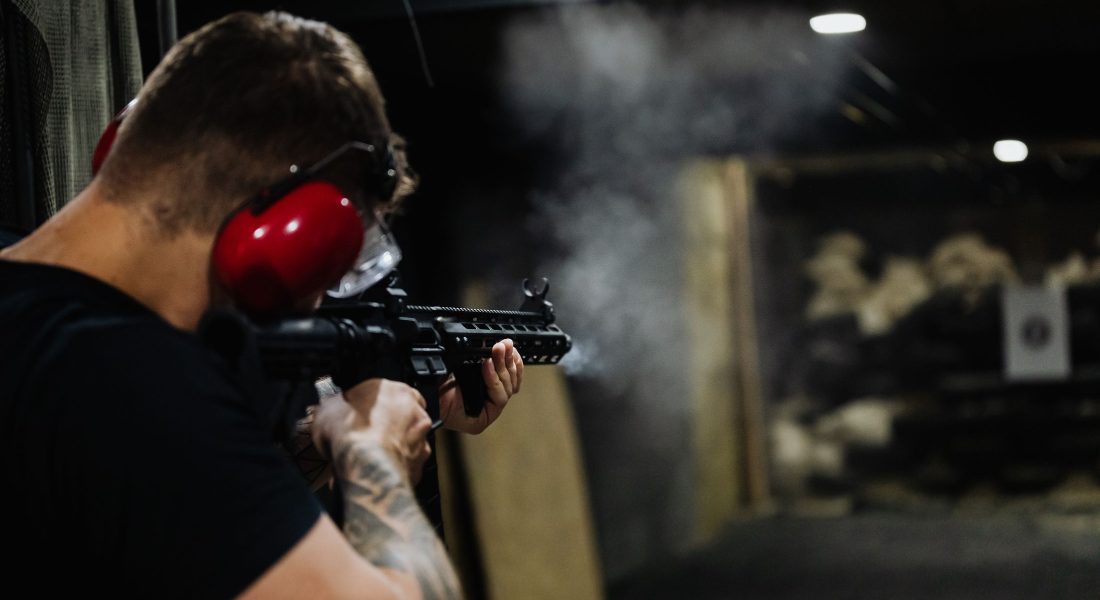
A longer barrel helps, but by less than many buyers expect. In Shooting Illustrated testing, Cor-Bon 115 gr DPX reached 1,380 fps from a 16 in barrel, about 100 fps more than from service-size pistols. Some light, fast loads gained far more: one 115 gr Maker Bullets load ran 1,500 fps from a carbine and about 900 fps from a short pistol barrel. Cheap 115 gr FMJ, on the other hand, showed no velocity advantage over a pistol.
The bigger advantage is not speed; it is stability. A stock, a longer sight radius or an optic, and the extra weight make hits at 25–50 yards far easier than with a pistol.
How Did Pistol Braces Change the PCC Market?
Braces let buyers get a compact 9mm without the NFA paperwork of a short-barreled rifle. That made braced AR-9s, MPX pistols, and SP5-style guns popular in the late 2010s. Tactical Retailer estimates that PCCs grew from 3% of rifle and braced pistol sales in 2015 to about 15% in 2026, though it does not cite a source for those figures.
The legal picture changed several times. ATF published its final rule on stabilizing braces on January 31, 2023, which treated many braced pistols as short-barreled rifles. A federal judge in the Northern District of Texas vacated the rule on June 13, 2024, and the government dropped its appeal on July 17, 2025. In May 2026, ATF proposed formally removing the rule. State laws still differ, so check your state’s rules before you buy or build. This is not legal advice.
One point surprises many new competitors: USPSA requires a shoulder stock, so a braced pistol cannot compete in the PCC division.
AR-9 vs MP5: Two Ways to Build a PCC
The two most common PCC platforms run on very different systems, and that changes how you set them up.
- AR-9: straight blowback. The bolt is held closed only by its mass and the buffer spring, so it cycles harder than an AR-15, and buffer weight matters more. Buffer weight and BCG clearance are covered in more detail in what makes the AR-9 platform different.
- MP5 and SP5 clones: roller-delayed blowback. Rollers slow the bolt’s opening, which gives a smoother recoil impulse but makes the locking piece and bolt gap more important to tune.
Magazines are another split. Most AR-9 lowers are built around either Colt-style SMG magazines or Glock pistol magazines, and the two are not interchangeable, so the lower you choose decides which mags you can run. MP5 clones use their own curved magazines, which no common pistol shares.
Both are good choices; what matters is knowing which system you are tuning before you swap parts.
What Should You Look for in a PCC?
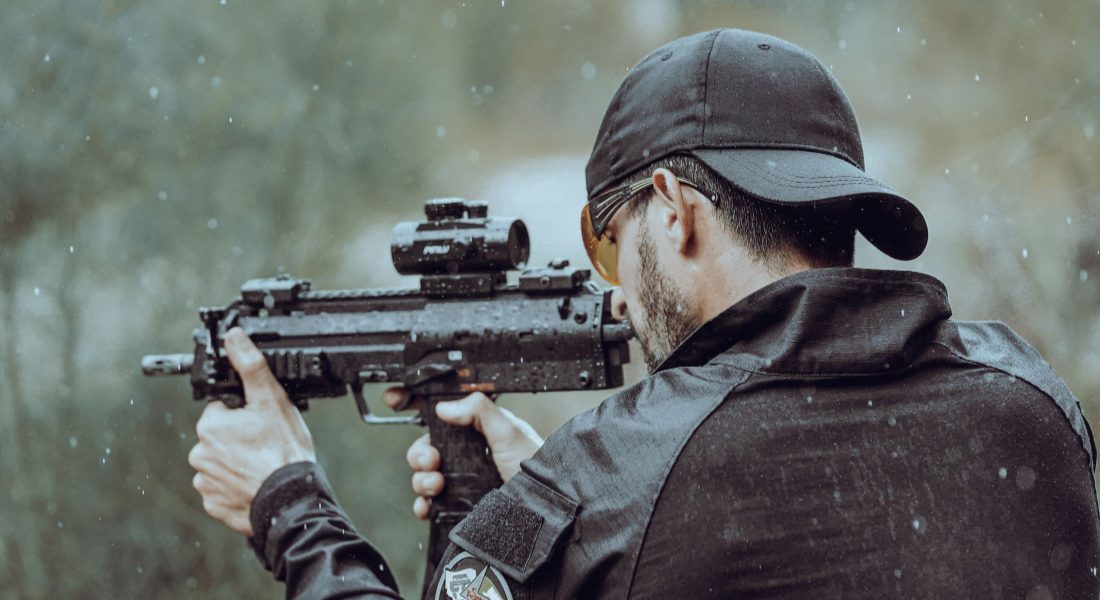
Most buyers pick a PCC by platform first, but a few practical points matter more once you own one:
- Magazine type: a carbine that takes the same magazines as your pistol, such as a Glock-pattern AR-9 or a Ruger PC Carbine with a Glock magwell, makes training and storage simpler. Proprietary magazines, like those for the SIG MPX and CZ Scorpion, only work in that gun.
- Operating system: straight blowback is simple and common but recoils harder; roller-delayed and gas-operated designs feel smoother and usually cost more.
- Size and weight: most PCCs weigh about 6 to 7 lb, but stock design, handguard length, and barrel length change how quickly the gun handles.
- Optics and controls: a full-length top rail and ambidextrous controls make the gun easier to set up for different shooters.
- Ammo reliability: run a few hundred rounds of the load you plan to use before trusting a new gun, especially a blowback design.
For many buyers, the easiest PCC to own is one that shares magazines with a pistol they already shoot.
Where PCCs Fall Short
Pistol-caliber carbines are not a replacement for a rifle. 9mm drops quickly past about 100 yards, so most PCCs are short-range guns. They are bigger and heavier than a pistol, so they are not a carry option. Blowback designs can also be picky about ammo, especially light loads in heavily buffered guns. Treat a PCC as a short-range, low-recoil tool, and it does that job well.
Why PCCs Are Here to Stay
Pistol-caliber carbines did not take off because of one gun or one rule. Competition divisions gave them a purpose, cheap 9mm and indoor-range access made them easy to train with, a stock and a longer sight radius made them easier to shoot well, and pistol braces made compact 9mm builds popular. Each of those reasons still holds, which is why PCCs now look less like a passing trend and more like a permanent category.
For anyone who owns or plans to build one, the takeaway is simple: blowback platforms reward careful setup, from choosing the right buffer weight to checking bolt and safety function with an AR-9 BCG jig before the first range trip.
FAQs
What is a PCC?
A PCC, or pistol-caliber carbine, is a shoulder-fired long gun chambered in a handgun cartridge such as 9mm, .40 S&W, or .45 ACP. Common examples include AR-9s, the SIG MPX, the CZ Scorpion, and MP5-pattern guns like the HK SP5.
Why are pistol-caliber carbines so popular?
Pistol-caliber carbines became popular after USPSA, Steel Challenge, and IDPA added PCC divisions in 2016 and 2017. They also use cheaper 9mm ammunition, work at indoor pistol ranges, and are easier to shoot accurately than a handgun.
Is a PCC good for home defense?
A PCC can be a reasonable home defense choice because it is easier to hit with than a pistol and uses the same defensive 9mm loads. Test your chosen ammunition for reliability first, and consider wall penetration with any caliber you keep in the home.
Are pistol braces legal now?
Under federal law, ATF's 2023 brace rule was vacated by a federal court on June 13, 2024, and the government dropped its appeal on July 17, 2025. ATF proposed formally removing the rule in May 2026. State laws vary, so check your state's rules; this is not legal advice.
Can you use a braced pistol in USPSA PCC?
No. USPSA's PCC division requires a shoulder stock. Short-barreled rifles with a stock are allowed, but braced pistols are not.