



Why Mil-Spec Parts Vary Between Manufacturers
"Mil-Spec" refers to a written Technical Data Package covering material, dimensions, finish, and testing — not a certification that any outside inspector checks before a civilian part ships. Because compliance is self-declared in the commercial market, two companies can both stamp a trigger or pin "mil-spec" while using different alloys, heat-treat processes, and inspection rigor. The dimensions that control fit are usually consistent; the material and process choices behind the label are where mil-spec still varies between manufacturers.
Two components can both be sold as “mil-spec,” fit the same AR platform, and still differ in their finish, machining, dimensions, inspection process, or manufacturing method. That does not mean one of them is automatically out of spec. It means mil-spec standardizes certain requirements without making every finished part from every manufacturer identical. For buyers comparing firearm super safety parts and other AR-platform components, knowing the difference is a must. The term can tell you something about how a part was designed or what technical requirements it is intended to meet, but it cannot tell you everything about how that part was actually produced.
What Does Mil-Spec Actually Standardize?
“Mil-spec” does not mean that a specification fixes every detail of a component to one exact measurement or manufacturing method. Depending on the part and the applicable technical requirements, specifications may control dimensions, materials, finishes, processes, inspection criteria, or other characteristics that need to remain consistent.
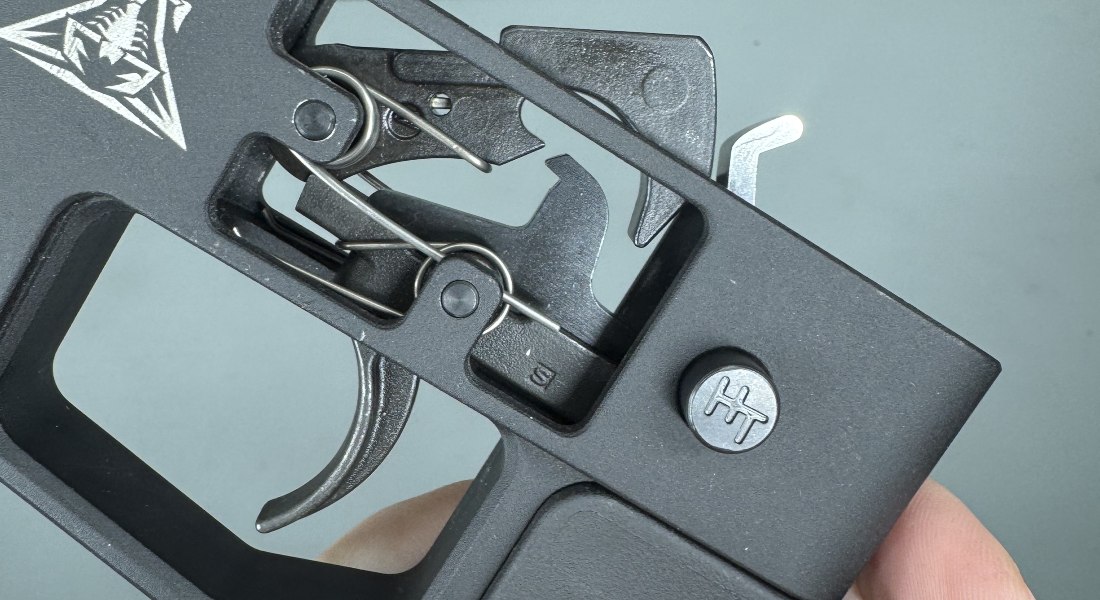
For AR-platform components, some of the most important requirements are the dimensions and geometry. They allow separate parts to work together. Pin locations, receiver interfaces, pocket geometry, and other critical features have to stay within defined limits so components from different manufacturers can remain compatible.
Why Mil-Spec Became the Reference Point
Standardized interfaces gave the AR platform a common framework. This allowed parts produced for the same system to work together predictably. As the platform expanded beyond military production and into the commercial market, those dimensions and configurations remained a familiar reference point for manufacturers producing compatible components.
That is also how the mil-spec fire control group became the standard across much of the AR market. Once manufacturers were building around the same basic geometry, that shared pattern made it easier to produce triggers, hammers, disconnectors, selectors, and other components intended to work across a wide range of receivers and assemblies. Mil-spec therefore became useful less because every part had to be identical and more because manufacturers had a common technical baseline to work from.
Where Mil-Spec Still Leaves Room for Variation
Where variation appears depends on what the applicable requirements actually control. Some characteristics may be tightly defined, while others leave manufacturers more room in how they produce, inspect, or finish the part.
| Area | What the Requirements May Define | Where Manufacturers Can Still Differ |
|---|---|---|
| Dimensions | Critical dimensions, locations, and acceptable tolerances | Two finished parts may measure slightly differently while remaining within the permitted range |
| Materials | Material type or required material properties | Suppliers, processing methods, and production workflows may differ |
| Finish | Required coating, treatment, or finishing process where specified | Application equipment and process controls can vary between manufacturers |
| Inspection | Acceptance criteria or required checks | Manufacturers may use different sampling, documentation, traceability, or additional QC procedures |
| Tooling and machining | Finished dimensions and other required characteristics | Equipment, cutters, fixtures, and machining sequences can vary while producing parts that meet the required dimensions |
The result is a common technical baseline without a requirement that every manufacturer use the same equipment, suppliers, tooling, or internal production process.
Why Commercial Mil-Spec Claims Can Look Different
The meaning of “mil-spec” also depends on the context. A government contract ties component production to specific technical documentation, acceptance criteria, inspection requirements, and quality-assurance provisions. In the civilian AR market, manufacturers commonly use the term to describe components made to military-pattern dimensions, materials, finishes, or other relevant requirements. A Cut Mil-Spec Trigger, for example, gives the buyer a specific component to evaluate rather than relying on the “mil-spec” label alone. Its design, listed material and finish, manufacturing details, compatibility information, and warranty can all provide additional context for what the manufacturer means by the term.
Those commercial claims do not always come with the same supporting documentation. One manufacturer may maintain material certifications, lot records, inspection reports, and detailed process documentation. Another may publish only the material, finish, and compatibility information most relevant to the buyer. Neither example, by itself, proves that one component is better than the other. It simply shows why manufacturers working under different production and documentation systems can use the same “mil-spec” label.
Why Two Mil-Spec Parts May Not Fit Exactly the Same
Even when two components are made to the same general specification, they do not have to come off the machine at exactly the same measurement. Manufacturing drawings normally allow controlled tolerances, which means a finished part can vary slightly while still remaining within the permitted limits. Those small differences become more noticeable when several parts from different manufacturers are assembled together. A pin may sit toward one end of its allowed range, while the hole, receiver, or mating component sits toward the other. Each part can still be within specification, but the combined result may feel tighter, looser, or simply different from another assembly built from the same type of components.
This is the basic idea behind tolerance stack-up. The variation in one part may be minor on its own, but several small differences can add up once the complete assembly is put together. This is why two mil-spec setups can both be compatible without feeling exactly the same in use or during installation.

How Does This Affect Compatibility?
Compatibility comes down to the dimensions and geometry at the points where components actually interact. Pin locations, receiver interfaces, pocket geometry, engagement surfaces, and similar features have to remain close enough to the intended pattern for the parts to work together as a system.
That is why trigger group compatibility with a mechanism such as the super safety is determined more by the shape and configuration of the interacting parts than by the brand name on the packaging. The same applies when comparing fire control group kits. The relationship between the hammer, disconnector, selector, pins, and surrounding receiver geometry matters more than the mil-spec label by itself. A component can differ from another manufacturer’s version in finish, tooling, inspection process, or other production details and still preserve the geometry needed for proper interaction.
The mil-spec label alone, however, does not guarantee that every aftermarket part will work with every other one. The modern AR market includes proprietary triggers, selectors, receivers, carriers, and other components that may depart from standard military-pattern geometry. Compatibility therefore depends on the actual configuration of the parts involved, not simply on whether each product is described as mil-spec.
What Does Mil-Spec Tell You When Comparing Parts?
The label becomes more useful when it is accompanied by specific information about the component. The Defense Logistics Agency describes military specifications and standards as a way to establish common technical requirements between government organizations and manufacturers. In the commercial market, however, buyers rarely have the complete technical package in front of them when comparing two parts.
Before relying on the mil-spec description alone, look at details such as:
- Material: What material does the manufacturer specify?
- Finish: What coating or finishing process does the manufacturer specify?
- Manufacturing: Where does the manufacturer produce the component, and what production details does it provide?
- Inspection: Does the manufacturer describe its quality-control or inspection process?
- Compatibility: Which configurations does the manufacturer list as compatible?
- Support: What warranty or product support backs the part?
Those details provide considerably more context than the term “mil-spec” standing alone.
Why Mil-Spec Components Vary Between Manufacturers
Mil-spec gives manufacturers a common technical baseline, but it does not make every finished component identical. Differences in tolerances, machining, finishes, inspection, and production methods can all exist while parts still follow the same general standard.
For buyers, that makes the details behind the label more useful than the label alone. Comparing material, finish, compatibility, manufacturing information, and warranty can give a much clearer picture of what a part actually offers. Browse the available components to compare those details across the product lineup.
FAQs
Why do two "mil-spec" parts from different brands still feel different?
Mil-spec dimensions control fit, not the alloy, heat treat, or finish process a manufacturer uses to get there. Two parts can meet the same dimensional print while differing in hardness, coating quality, or how thoroughly each was inspected before it shipped.
Does mil-spec guarantee the same quality across manufacturers?
No. Mil-spec compliance in the civilian market is self-declared, with no outside inspector checking a company's claim the way a DoD contract would. A mil-spec label means a manufacturer intended to follow the spec, not that every step was independently verified.
Can mil-spec parts from different manufacturers still fit together correctly?
Usually, yes. Interface dimensions like pin diameter and pocket geometry are the part of the spec manufacturers hold most consistently, since a part that doesn't physically fit gets returned immediately. Fit and long-term quality are separate questions.
How can I check if a mil-spec claim is accurate before buying?
Ask the manufacturer which alloy and heat-treat spec was used, what finish process was applied, and how the part was inspected. A company that backs the claim with a strong warranty has more to lose from cutting corners.