



How the Mil-Spec Fire Control Group Became the Standard
The mil-spec fire control group history begins with the U.S. military's M16 procurement program, where strict dimensional specifications ensured rifles built by multiple contractors could use interchangeable parts. That same commitment to standardized dimensions continues today, which is why many aftermarket components — including the Super Safety — are designed around mil-spec geometry for reliable compatibility.
Many AR-15 builders associate “mil-spec” with quality, but its origins are rooted in compatibility rather than performance. The mil-spec fire control group history begins with military procurement requirements that demanded interchangeable parts across rifles produced by multiple manufacturers, and that distinction remains important today when evaluating triggers and other firearm parts and accessories designed to fit the AR-15 platform. Understanding how this standard evolved explains why mil-spec dimensions continue to serve as the foundation for compatibility across modern AR-15 builds.
Why the Military Needed a Standardized Fire Control Group
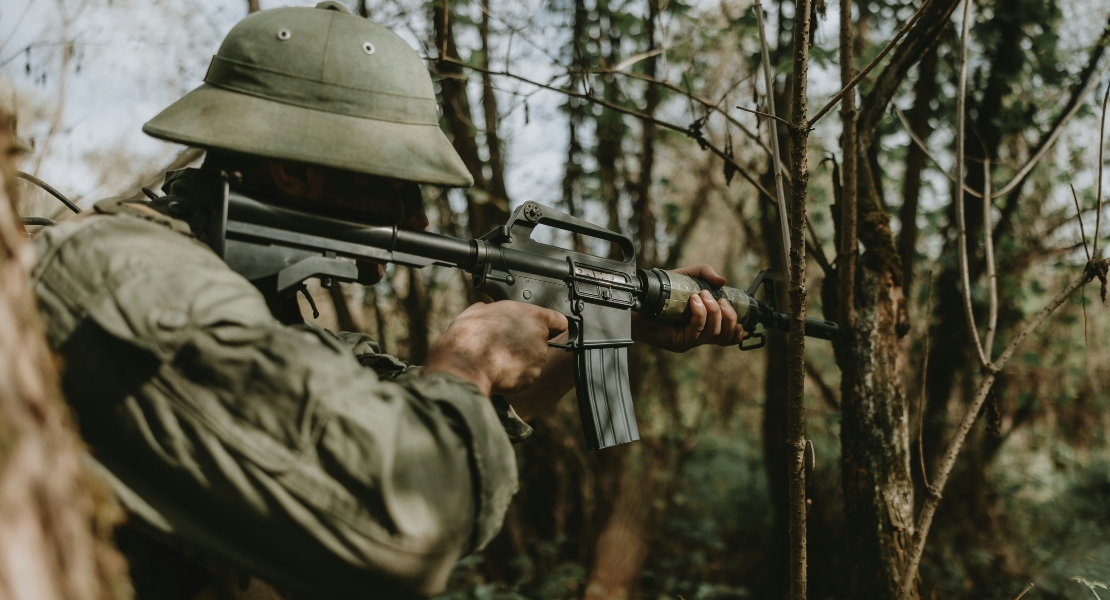
The mil-spec fire control group history begins with the M16 program, where the U.S. military required thousands, and ultimately millions, of rifles to be produced by multiple approved contractors simultaneously. Colt, FN Manufacturing, and others all had to produce rifles that accepted identical replacement parts because armorers in the field needed to swap a failed trigger, hammer, or disconnector immediately, without machining or hand fitting. The objective was logistics, not performance. A standardized FCG reduced maintenance complexity, simplified spare parts inventories, and kept rifles operational in demanding conditions.
To achieve that interchangeability, military technical data packages established exact dimensions for every critical component:
- Trigger pin diameter
- Hammer pin diameter
- Pin hole spacing
- Trigger pocket dimensions
- Engagement surfaces
- Manufacturing tolerances
These specifications delivered practical benefits that extended beyond performance:
- Reduced maintenance complexity across multiple contractor production runs
- Simplified spare parts inventories for centralized military supply chains
- Faster field repairs without custom fitting or machining
- Lower production costs without sacrificing reliability
How Mil-Spec Became the Commercial Standard Too
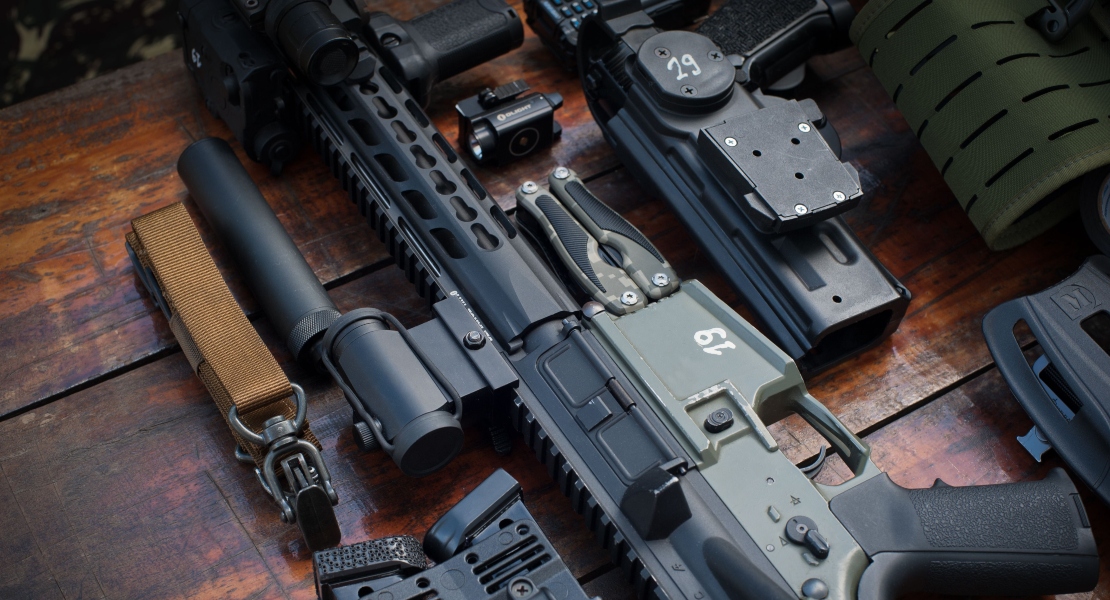
Once civilian AR-15 ownership expanded, manufacturers recognized the value of maintaining military-compatible dimensions. Rather than inventing proprietary trigger geometries or unique receiver designs, most companies adopted the mil-spec fire control group standard already proven through military production. Mil-spec compatibility is what allows a builder to mix components from different manufacturers and expect them to work together, and that interchangeability is what drove the commercial industry to standardize around the same dimensional framework the military established.
The same logistics logic that made sense for military procurement made even more sense for a commercial industry built on aftermarket parts. Manufacturers could build products that worked across thousands of existing rifles, consumers gained freedom to customize using parts from different brands, and the aftermarket industry flourished because companies could focus on improving materials, coatings, and trigger feel without changing the underlying dimensions.
This explains why the AR-15 became America’s most popular rifle: a standardized platform encouraged innovation, expanded aftermarket support, and gave owners the confidence to combine components from different brands. Today, builders routinely mix:
- Lower receivers from one manufacturer
- Upper receivers from another
- Bolt carrier groups from a third
- Aftermarket triggers, ambidextrous controls, and active reset systems
All of these combinations work because manufacturers continue building around the same dimensional framework originally established for military interchangeability.
What Mil-Spec Actually Means Dimensionally
Many shooters use “mil-spec” as shorthand for quality, but the term primarily describes adherence to specific dimensions and tolerances rather than superior performance. The history of the mil-spec FCG standard demonstrates that standardization focused on interchangeability first. Understanding the AR-15 upper vs lower distinction helps builders recognize that the fire control group is housed entirely within the lower receiver, making its internal dimensions critical for compatibility.
| Dimension | What It Controls | Why It Matters |
|---|---|---|
| Trigger and Hammer Pin Diameter | How components rotate and stay retained inside the receiver | Even small deviations create excessive movement or prevent installation entirely |
| Pin Hole Spacing | Timing between hammer and trigger throughout the firing cycle | Improper spacing affects trigger reset, hammer engagement, and safety selector operation |
| Trigger Pocket Dimensions | Clearance and support for fire control components inside the lower | Incorrect machining interferes with movement or prevents aftermarket part installation |
Mil-spec dimensions ensure interchangeability; they don’t define the best possible trigger feel or the shortest reset. Many premium aftermarket triggers improve on military trigger characteristics by offering lighter pull weights, reduced creep, shorter reset, and enhanced materials, while still maintaining mil-spec dimensions so they fit standard receivers. A milspec AR15 trigger built to these standards delivers reliable compatibility, not necessarily the most refined shooting experience.
Why Mil-Spec FCG Compatibility Matters for Modern Builds
Most aftermarket manufacturers assume a rifle follows mil-spec geometry unless otherwise specified, and that assumption affects compatibility across every upgrade a builder might install. Enhanced triggers, anti-walk pins, lower parts kits, ambidextrous safeties, and active reset systems are all engineered around standardized dimensions. Non-mil-spec receivers can create unexpected fitment issues even when individual components are high quality, misaligned pin holes, improper trigger movement, interference inside the trigger pocket, and safety selector problems all trace back to dimensional variance from the mil-spec baseline.
When installing an AR15 super safety, mil-spec dimensions become especially important. The system is designed around standard AR-15 fire control group geometry; deviations in receiver dimensions or internal components affect both installation and reliable operation. For builders replacing worn or incomplete internals, choosing a quality AR15 FCG kit that follows mil-spec specifications ensures proper fitment and makes future maintenance straightforward. Different AR-15 lower shelf types can also influence compatibility with certain aftermarket fire control systems, making it worthwhile to verify your lower’s internal configuration before beginning an installation.
A Logistics Decision That Became an Industry Standard
The mil-spec fire control group history shows that widespread standardization was never about creating the lightest trigger or the most refined shooting experience. It began as a practical military requirement to ensure rifles produced by different contractors could accept interchangeable replacement parts quickly and reliably, and that logistical solution became the foundation of the commercial AR-15 market. Whether assembling a new rifle, replacing worn components, or installing advanced aftermarket systems like the Super Safety, understanding the origins of mil-spec explains why dimensional consistency remains one of the most important aspects of the AR-15 platform.
FAQs
Why is mil-spec FCG the standard?
The military required interchangeable parts across rifles manufactured by multiple contractors during the M16 program. Commercial manufacturers later adopted those same dimensions because they simplified production and allowed components from different brands to work together reliably.
What makes a fire control group mil-spec?
A mil-spec fire control group follows standardized dimensional requirements for hammer and trigger pin diameter, pin hole spacing, trigger pocket compatibility, and other critical measurements that ensure interchangeability across compatible receivers.
Does the super safety require mil-spec FCG?
Yes. The super safety is designed around mil-spec fire control group dimensions. Receivers or internal components that deviate significantly from those specifications may experience fitment or function issues during installation and use.
What is the difference between mil-spec and non-mil-spec FCG?
The primary difference is dimensional compatibility. Mil-spec components follow standardized geometry intended for interchangeability, while non-mil-spec components may use proprietary dimensions or designs. Non-mil-spec does not necessarily mean lower quality; it means compatibility with standard aftermarket components may vary.