



How Ammunition Choice Affects Super Safety Function
Ammunition can affect super safety function by changing ignition consistency, firearm cycling, extraction, fouling, and the conditions under which the reset system operates. It should match the host firearm’s specifications, while repeatable cycling problems should be evaluated as part of the complete build rather than blamed on the super safety alone.
When builders ask about ammunition choice and super safety, the real connection is cycling consistency. The cartridge does not change the cam, lever, or trigger geometry, but it starts the operating cycle those parts depend on. If ignition, carrier movement, extraction, ejection, or return to battery becomes inconsistent, the reset behavior can appear inconsistent too. The super safety cam and lever mechanism still works through the same physical relationships regardless of the ammunition in the magazine. What ammunition can change is the operating environment around that mechanism.
That makes ammunition important to super safety function, but it also explains why changing ammo should never be treated as a universal fix for a mechanical problem.
Where Ammunition Choice and Super Safety Actually Connect
A super safety works after the firing event has already started the firearm’s normal operating cycle. The cartridge fires, the action cycles, the bolt carrier moves, and that movement becomes part of the mechanical sequence involving the lever, cam, and trigger. If the host firearm does not complete that cycle normally, the reset system no longer sees the same movement every time.
This is why ammunition can be one variable behind super safety reset problems without the ammunition interacting directly with the super safety itself. The symptom may appear at the trigger even though the first irregularity occurred earlier in the cycle.
Is There a Best Ammo for a Super Safety?
There is no universal “super safety ammo” that every compatible AR-15 build needs. The super safety does not create a new ammunition specification. The correct ammunition remains whatever the host firearm manufacturer approves for the barrel and chamber.
For that reason, builders should be cautious with claims that one particular load, bullet weight, case material, or pressure level is required simply because a super safety is installed. A load may behave differently in an individual firearm, but that does not make it a universal requirement of the reset system.
Consistency Matters More Than a Hotter Load
A more energetic cartridge is not automatically a better choice for super safety function. During troubleshooting, repeatability is more useful. If one cartridge behaves differently from the next, it becomes harder to tell whether a change in reset behavior came from the ammunition, the firearm, or another component in the build.
The better comparison is whether the firearm behaves consistently from one cartridge to the next. A repeatable cycle makes changes in reset behavior easier to evaluate.
Does Bullet Weight Affect Super Safety Function?
Bullet weight alone cannot predict whether a super safety-equipped rifle will cycle consistently. The number printed on the ammunition box describes only one part of the cartridge. Two loads with the same projectile weight can still differ in their complete construction and operating characteristics, while ammunition using different projectile weights may both function normally in the same firearm.
That is why searching for a specific “super safety bullet weight” can lead builders in the wrong direction. Ammunition choice and super safety function are connected through the complete firing cycle, not projectile weight by itself.
What Ammunition Variables Matter Most?
Several ammunition characteristics can influence the operating conditions surrounding a super safety without changing the reset mechanism itself. The most relevant variables include:
- Ignition consistency, because every cycle begins with a normal firing event.
- Cartridge dimensions and condition, which can affect chambering and extraction.
- Case behavior, because the fired case must release and extract normally.
- Manufacturing consistency, particularly when comparing one group of cartridges with another.
- Fouling characteristics, which can change the condition of the action and contact surfaces as a range session continues.
None of these variables automatically identifies the cause of a malfunction. They simply explain why changing ammunition can sometimes change the symptoms observed elsewhere in the firearm.
.223 Remington and 5.56 NATO Still Depend on the Chamber
The presence of a super safety does not change normal ammunition compatibility rules. AR-15 builders commonly encounter both .223 Remington and 5.56 NATO, but the barrel and firearm markings remain the reference for what ammunition is appropriate. A cartridge fitting into the chamber does not by itself establish that the firearm is designed to use it.
That matters for super safety troubleshooting because ammunition compatibility should be a known variable before reset behavior is evaluated. If there is uncertainty about whether the ammunition is appropriate for the host firearm, there is already another possible cause in the system.
What Can an Ammunition-Related Problem Look Like?
Ammunition problems do not normally appear as an obvious “ammo problem.” They appear as symptoms somewhere in the firing cycle.
| What You Notice | What It May Suggest | What It Does Not Prove |
|---|---|---|
| Inconsistent ignition | Cartridge or primer consistency may be involved | The super safety is defective |
| Difficult chambering | Cartridge condition or dimensions may deserve attention | The reset system caused the problem |
| Extraction changes | Case and chamber interaction may be involved | A different cam or lever is needed |
| Cycling changes | The host firearm may not be completing the same cycle consistently | One specific load is required |
| Problems develop later in a session | Fouling, heat, or changing firearm condition may be contributing | Ammunition alone caused the change |
| Reset changes alongside feeding, extraction, or ejection problems | The issue may involve the wider operating cycle | The trigger is automatically the starting point |
| The same reset problem appears across appropriate ammunition | The cause may lie elsewhere in the build | Every ammunition type is unsuitable |
Reset Behavior Should Be Read With the Rest of the Cycle
A reset issue carries more useful information when it is considered alongside what the rest of the firearm is doing. If a change in reset is accompanied by unusual feeding, extraction, ejection, or return-to-battery behavior, the problem is broader than trigger feel alone. Ammunition may be involved, but the complete operating cycle deserves attention. If the firearm otherwise cycles normally and the same super safety problem remains, ammunition becomes a less convincing explanation.
This is where the surrounding build matters: super safety compatibility with different AR-15 trigger groups depends on physical component relationships that ammunition cannot change.
Why Factory Ammunition Gives a Cleaner Baseline
Factory ammunition is useful during reliability evaluation because it limits the number of unknown variables. That does not mean every factory load behaves identically in every rifle. Barrel configuration, chamber, firearm condition, magazines, suppressor use, and aftermarket components can still influence the overall result. The value is simply that a builder is not simultaneously trying to interpret unknown ammunition history and unknown firearm behavior.
For the same reason, changing multiple components and changing ammunition at the same time creates a poor comparison. When several variables move together, it becomes much harder to know which one actually changed the result.
Does Case Material Affect Super Safety Function?
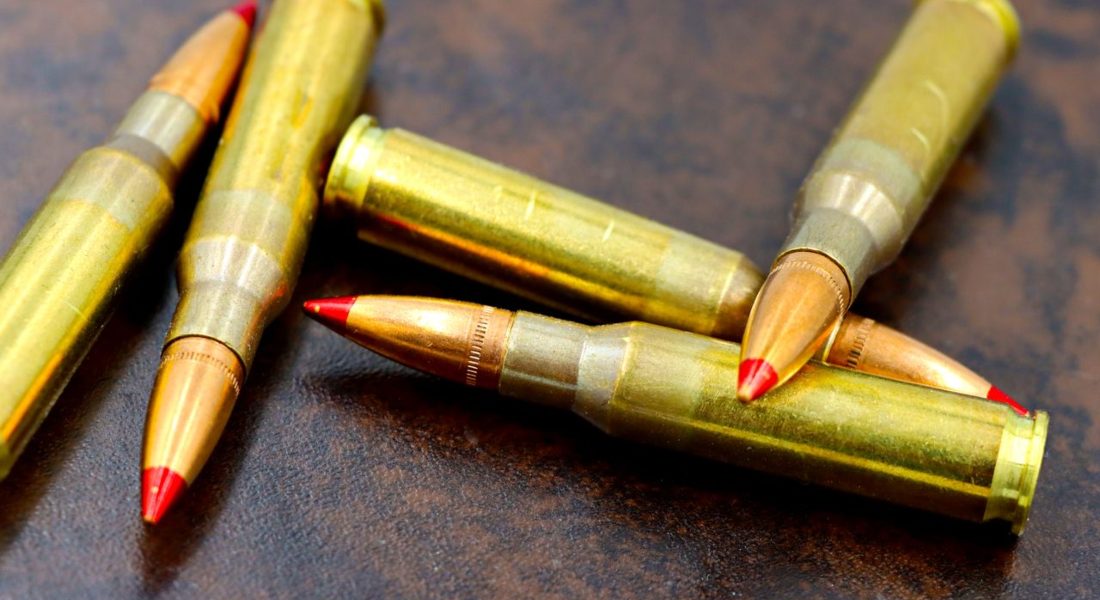
Case material does not interact with the super safety directly, but the case is still part of the firearm’s operating cycle. It must chamber, contain the firing event, and extract after the shot. Differences in case construction, coating, condition, and manufacturing consistency can therefore contribute to different behavior in an individual firearm.
That does not support a simple rule that one case material always works while another does not. The condition and compatibility of the complete cartridge matter more than the material label alone.
Fouling Can Change the Answer During a Range Session
A rifle that behaves normally when clean can begin behaving differently as fouling accumulates. Ammunition contributes residue to the firearm, while the moving surfaces involved in the reset system continue working throughout the session. If a contact point was already becoming dirty or worn, added fouling may make the symptom more obvious. That makes super safety cleaning and maintenance relevant whenever the behavior changes gradually rather than immediately after switching ammunition.
A problem that appears on the first rounds of a new ammunition type and a problem that appears only after an extended session do not provide the same information.
Does a Suppressor Change How Ammunition Affects the System?
Yes, because a suppressor changes the operating environment of the host firearm. That means ammunition comparisons become less clean when someone switches ammunition at the same time they add or remove another major variable. A change in reset feel does not automatically identify which change mattered most.
The broader relationship between suppressor use and AR-15 super safety function is another reason to compare observations carefully. If the suppressor configuration and ammunition both changed, the rifle is no longer being evaluated under the same conditions.
A Sudden Change After Switching Ammunition Matters
If a firearm has been operating normally and a new symptom begins immediately after an ammunition change, that ammunition change belongs on the list of possible variables. It still does not prove that the new ammunition is defective or that the previous ammunition is somehow required by the super safety. The value comes from knowing exactly what changed before the symptom appeared.
One isolated event provides limited information. A repeatable pattern is much more meaningful.
The Same Problem Across Multiple Loads Points Beyond Ammunition
If the same malfunction continues with multiple appropriate ammunition types, ammunition becomes a weaker explanation. At that point, the condition and compatibility of the firearm itself deserve greater attention. A cartridge cannot alter receiver dimensions, trigger geometry, component wear, or the physical relationship between the cam and trigger.
The cut trigger used with a super safety, for example, creates a specific physical relationship with the cam. If that relationship is incorrect, changing ammunition does not change the shape of either part.
Higher Pressure Is Not a Mechanical Repair
Using ammunition outside the host firearm manufacturer’s specifications should never become a workaround for a malfunction. A cartridge cannot repair worn components, correct an incompatible trigger, remove receiver interference, or change how one fire-control component contacts another.
That is why a rifle that repeatedly malfunctions with appropriate ammunition should be taken out of use until the cause is identified. Searching for ammunition that hides the symptom is not the same thing as correcting the underlying problem.
Ammunition Cannot Fix Lever Travel
Lever movement is another area where ammunition reaches a clear limit. The available movement of the super safety lever comes from the physical geometry surrounding it. Changing ammunition cannot create a missing contact surface or alter the dimensions of an aftermarket hammer.
When lever travel requires a separate physical limit, the issue exists inside the fire-control geometry. A different cartridge cannot provide that limit.
This is why ammunition-related cycling issues and component-geometry issues should not be treated as interchangeable explanations simply because both can eventually show up as inconsistent reset behavior.
Do Not Treat Ammunition as Super Safety Tuning
Using appropriate ammunition to establish a baseline is different from changing ammunition to mask a problem. For ammunition choice and super safety troubleshooting, the useful question is straightforward: is the host firearm operating normally with ammunition it is designed to use? If the answer is no, general firearm reliability needs attention before conclusions are drawn about the reset system. If the host firearm is cycling normally but the super safety still behaves incorrectly, the investigation has moved beyond ammunition.
Ammunition Is One Variable in the Complete Build
Ammunition choice and super safety are connected through the firearm’s operating cycle, not through the reset mechanism itself. Use ammunition that matches the host firearm’s specifications, look at the entire cycling pattern when behavior changes, and avoid treating a cartridge change as a substitute for diagnosing a mechanical problem.
FAQs
Does a super safety require special ammunition?
No. Installing a super safety does not create a separate ammunition specification. The ammunition should still match the chamber and specifications approved by the host firearm manufacturer.
Can ammunition cause a super safety not to reset?
Ammunition can contribute indirectly if the firearm is not completing its normal operating cycle consistently. If feeding, extraction, ejection, or other cycling symptoms are also present, the reset issue may be part of a broader reliability problem.
Does bullet weight affect super safety function?
Bullet weight alone does not determine super safety function. The complete cartridge and the configuration of the host firearm matter more than projectile weight by itself.
Can changing ammunition fix a super safety problem?
It may help identify whether ammunition is contributing to a broader reliability issue, but it cannot correct installation, wear, trigger geometry, receiver compatibility, or another physical problem in the reset system.
Is higher-pressure ammunition better for a super safety?
No. Higher-pressure ammunition should not be used to compensate for an unidentified mechanical problem. Use ammunition that falls within the specifications approved by the firearm manufacturer.
Why does my super safety feel different later in a range session?
Fouling, heat, component condition, and ammunition can all change the operating environment as a session continues. If behavior changes gradually, maintenance and the complete firearm cycle should be evaluated rather than assuming the ammunition alone caused it.