



What Does the RAS Selector Do
The RAS selector replaces the standard mil-spec safety selector with a component that changes how the selector moves, indexes, and feels during operation. The RAS selector doesn't change what the selector does; it changes how precisely and consistently it does it.
Most AR-15 builders know their selector has two positions: safe and fire. The RAS selector has three, and the third one is where the system’s function actually lives. Before choosing firearm super safety components for an AR-15 build, understanding what does RAS selector do mechanically is what makes its purpose clear. The difference between a two-position and three-position selector isn’t just mechanical — it changes what the shooter can do between shots.
What a Standard Two-Position Selector Does
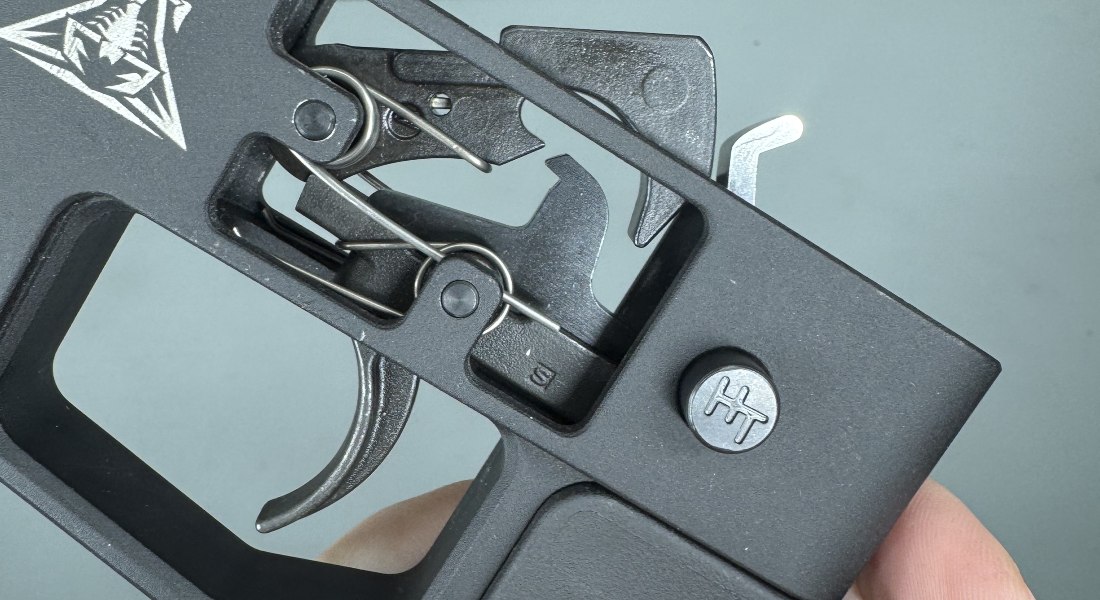
The standard AR-15 safety selector rotates between two positions. Safe physically blocks the trigger from moving. Fire unblocks it. A detent and spring hold each position by providing resistance the shooter overcomes when rotating the selector.
That’s the full scope of what a standard selector does. It has no role in the firing cycle beyond blocking or unblocking the trigger. Safe blocks the trigger, fire unblocks it — that is the complete function of a standard two-position selector. What happens between shots- trigger release, reset, re-engagement- is entirely the shooter’s responsibility. Understanding this baseline is what makes the RAS selector function readable as a genuine addition rather than a minor refinement.
What the Third Position Is
The RAS selector, or Redacted Arms Selector, adds a middle position between safe and fire. This is the active safety position: a distinct functional state that sits between the two standard positions and engages the lever component inside the receiver.
The active safety position isn’t a halfway point between safe and fire. It is a separate functional state with a specific mechanical purpose. It is not a partial block or an intermediate stop — it enables something a standard selector cannot, which is mechanical trigger reset during cycling. The selector has to reach this position fully for the RAS selector function to work.
What the Lever Does in the Active Safety Position
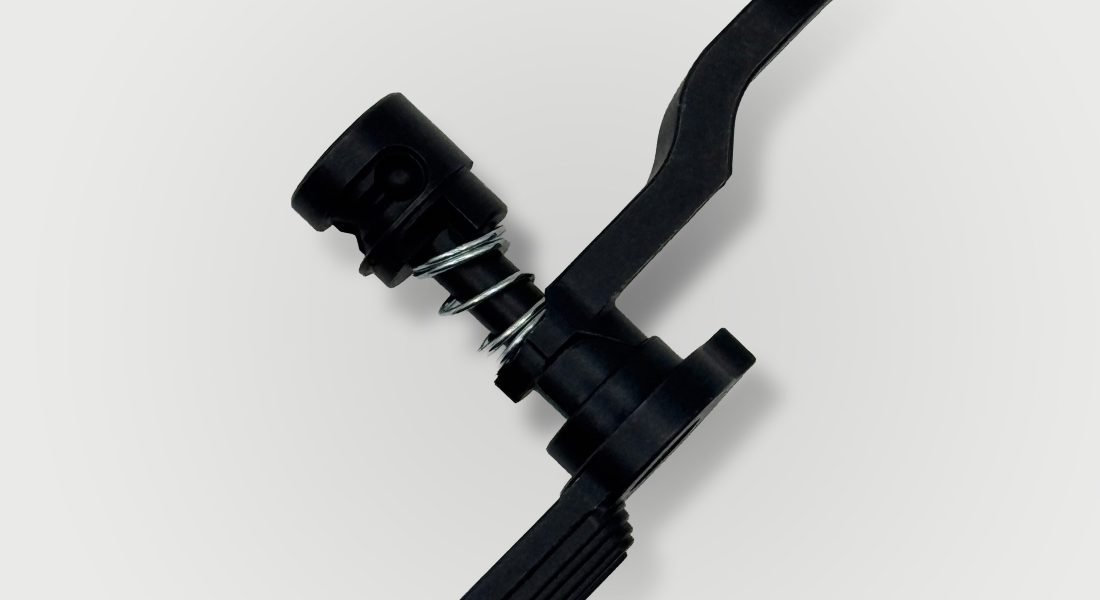
The lever is the component that makes the third position functional. It sits inside the receiver and interacts with the bolt carrier group as the rifle cycles. When the selector is in the active safety position, the lever travels rearward with the bolt carrier during cycling and pushes the trigger forward as it returns.
That rearward and forward travel is the reset. The trigger moves forward mechanically as the bolt returns to battery, ready for the next shot without the shooter needing to release and re-engage. The lever is what makes the third position functional. Without it, the active safety position would be nothing more than a selector stop. On an AR-15 super safety build, this lever interaction with the bolt carrier is the mechanical action the entire system is built around. How the RAS selector works in the active safety position is entirely dependent on how consistently the lever travels with the bolt carrier.
What This Means for the Shooter
In the active safety position, the shooter maintains rearward pressure on the trigger between shots. The lever handles the reset mechanically as the bolt cycles. The trigger is ready for the next shot before the shooter needs to do anything.
This is a fundamentally different interaction than standard trigger manipulation. On a standard setup, the shooter pulls, releases far enough to reset, and pulls again. With the RAS in the active safety position, the shooter pulls and maintains pressure while the lever does the reset work. The release and re-engagement step is removed from the firing cycle entirely. The shooter’s job in the active safety position is to maintain pressure and let the lever handle the reset.
What Stays the Same
Safe and fire positions function identically to a standard selector. Safe blocks the trigger. Fire unblocks it, and the rifle functions as a standard semi-automatic. The active safety position sits between them and doesn’t replace either. It adds a third option rather than modifying the existing two.
The RAS selector AR-15 installation uses the same location as a standard selector and fits mil-spec lower geometry. It doesn’t change trigger pull weight, doesn’t modify the fire control group, and doesn’t affect standard semi-automatic function in safe or fire. Safe blocks, fire fires, active safety resets — three distinct positions, each with a distinct function. Compatibility with the lower receiver’s shelf geometry follows the same considerations as any aftermarket selector, which the AR-15 lower shelf types guide covers in detail. The RAS selector adds function without removing anything the standard selector provided.
A Third Position With a Specific Purpose
The RAS selector does what every selector does in safe and fire. The active safety position is what separates it from a standard two-position design — a middle position where the lever travels with the bolt and resets the trigger mechanically, removing the release and re-engagement step from the shooter’s process. Safe and fire work the same way they always have. Everything the RAS selector function adds happens in the position between them.
FAQs
What is the RAS selector?
A replacement AR-15 safety selector with improved detent geometry and ambidextrous operation, designed for more precise and consistent position engagement than the standard mil-spec selector. RAS stands for Redacted Arms Selector.
What does RAS stand for?
Redacted Arms Selector. The name reflects both the manufacturer and the component category the product sits in.
How does the RAS selector feel compared to standard?
More tactile and distinct position engagement with less ambiguity between positions. The transition between safe and fire feels more definitive rather than gradual, and the ambidextrous operation feels consistent on both sides rather than primary on one and secondary on the other.
Does the RAS selector work with super safety?
Yes. The RAS selector is designed with super safety builds in mind, where selector position precision affects cam engagement directly. The more positive indexing the RAS selector provides makes selector position more consistent, which translates to more consistent cam engagement across repeated use.