



AR-15 Lower Shelf Types and Super Safety Compatibility
AR-15 lower shelf types determine whether a super safety installs correctly or requires fitting work — the three shelf configurations (mil-spec, M16, and no-shelf) create different clearance conditions for the super safety cam, and knowing which shelf type a lower has before purchasing or installing is what separates a clean build from one that needs diagnosis at the bench. The shelf type is the single most important lower variable for super safety compatibility — everything else is secondary.
Most AR-15 builders focus on brand and price when choosing a lower. Shelf type rarely comes up until the super safety install doesn’t go as expected. Before choosing firearm super safety components, understanding AR-15 lower super safety compatibility starts with the shelf and how each configuration affects cam clearance. A lower that’s perfectly functional for a standard mil-spec FCG can create fitment problems for the super safety cam that only show up once the build is complete.
What the Lower Shelf Actually Is
The lower shelf is a machined ledge inside the fire control pocket of the lower receiver, positioned behind the trigger pocket. It was originally a semi-auto compliance feature designed to prevent an M16 full-auto sear from seating in the receiver. But its position and profile also directly affect how much clearance the super safety cam has during selector travel.
That compliance function is why the shelf exists at all. However, for super safety builds it’s the cam clearance consequence that matters. The shelf determines how freely the cam rotates through its travel. Different shelf configurations create different clearance conditions — too little, too much, or none at all. Builders who skip the AR-15 upper vs lower receiver anatomy context consistently misidentify their shelf type because they don’t know where to look or what they’re looking at — the shelf isn’t visible from the outside and isn’t referenced in most general build guides.
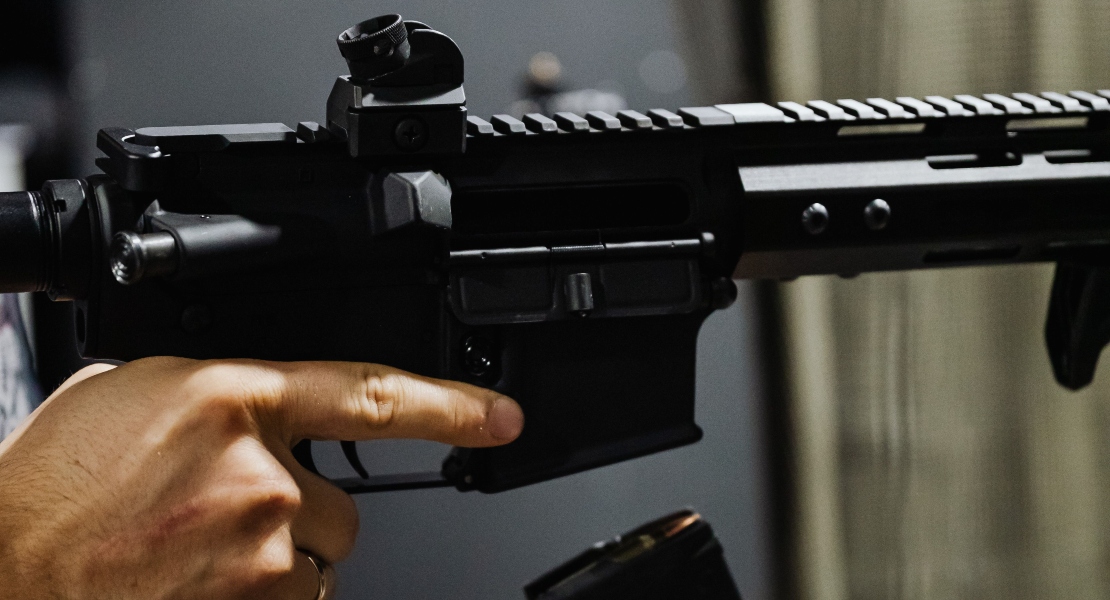
The Three Shelf Configurations
The three primary shelf configurations each create different clearance conditions for the super safety cam:
- Mil-spec shelf — the standard configuration on most forged AR-15 lowers. Its depth and position provide the clearance the super safety cam needs without introducing over-travel. This is the baseline the super safety cam was designed around. Not because mil-spec is mechanically superior, but because it produces the most predictable clearance conditions. Most quality forged lowers hold mil-spec shelf geometry consistently, which is why this category carries the lowest fitting risk.
- M16 shelf — cut deeper than mil-spec to accommodate the M16 auto sear. That deeper pocket creates more clearance than the cam needs. The problem isn’t interference, it’s over-travel. The M16 shelf causing over-travel is the least documented AR-15 lower shelf compatibility issue. Most content focuses on cam binding from insufficient clearance. Builders with M16 shelf lowers who experience inconsistent selector indexing rarely identify the shelf depth as the cause without specifically looking for it.
- No-shelf / relieved pocket — machines away the shelf almost entirely. This removes the interference risk but also removes the reference point the cam uses for selector travel. Without the shelf acting as a mechanical stop, cam behavior depends entirely on other receiver dimensions. However, those vary enough between manufacturers that no-shelf lowers require the most individual evaluation before committing to a build.
AR-15 Lower Super Safety Compatibility — Choosing the Right Lower
The practical answer for a first super safety build is a quality forged lower with a mil-spec shelf. It provides the clearance the cam needs without the over-travel risk of an M16 shelf or the reference point uncertainty of a no-shelf design. For builders who want an AR15 super safety build that functions predictably from the first range session, the mil-spec shelf forged lower is the lowest-risk starting point.
M16 shelf lowers work but require cam travel verification after installation. Selector indexing and cam engagement consistency both need to be confirmed before assuming the setup is correct. No-shelf lowers require the most evaluation. Selector hole alignment, pocket dimensions, and cam behavior all need to be checked individually because there’s no consistent reference point to rely on across different manufacturers.
Regardless of shelf type, what the super safety cam needs mechanically is consistent clearance through its full travel range without interference at the shelf or over-travel past it. Shelf depth, pocket dimensions, and selector hole alignment are the three variables worth checking before committing to any lower. Even a documented mil-spec lower from a reputable manufacturer, since production variance on budget polymer and cast lowers can produce shelf geometry that doesn’t match the spec sheet. The AR15 FCG kit is designed around mil-spec dimensions as the assumed baseline — that assumption is worth verifying before installation rather than after.
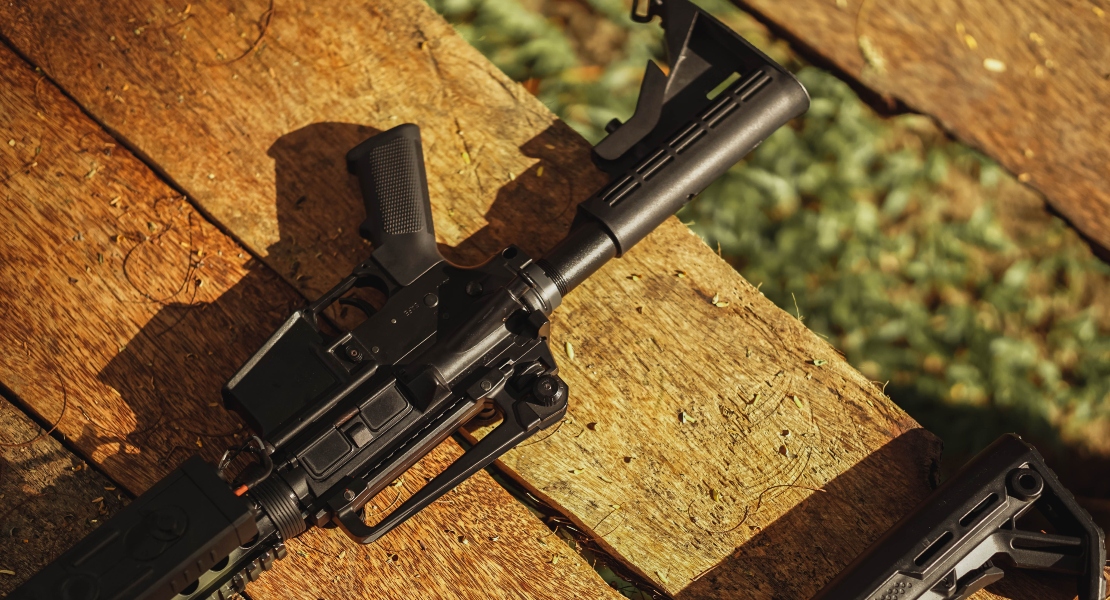
How to Identify Your Shelf Type Before You Build
Identifying shelf type requires a visual inspection of the fire control pocket after separating the upper and lower receivers. The shelf sits at the rear of the pocket — a raised ledge on a mil-spec lower, a deeper cut on an M16 lower, and minimal remaining material on a no-shelf lower. The depth difference between mil-spec and M16 shelves is visible but subtle — comparing against reference photos of confirmed examples is the most reliable way to distinguish them without measurement tools.
A tactile check confirms what the visual inspection suggests. Inserting the selector and cycling it through its travel reveals resistance at the shelf on a tight mil-spec lower, smooth travel with an extended endpoint on an M16 lower, or variable feel on a no-shelf lower depending on how the manufacturer machined the pocket. The tactile check catches what the visual inspection can miss — particularly on lowers where the machining difference is within the normal variance range.
Manufacturer documentation is a starting point but not a reliable final answer. Budget polymer and cast lowers in particular consistently show shelf geometry that doesn’t match the stated spec — documented as mil-spec but machined to dimensions that behave differently under the super safety cam. Direct inspection of the actual lower is the only definitive check.
Diagnosing Shelf Fitment Problems
Builders experiencing super safety issues after installation should check the shelf before chasing any other variable. Shelf interference presenting as trigger reset failure rather than obvious binding is the most commonly misdiagnosed problem — the selector appears to travel correctly but the cam contacts the shelf just enough to affect reset timing without producing obvious resistance.
Cam Binding at the Shelf
Cam binding produces stiff selector movement, incomplete rotation, or trigger reset failures that appear intermittently. The confirm step is removing the super safety and cycling a bare selector — if resistance appears at the same point in the travel, the shelf is the interference source. This is where AR-15 assembly mistakes get misattributed to trigger spring installation or pin fit before the shelf is checked.
Over-Travel on M16 Shelf Lowers
Over-travel produces inconsistent selector indexing and variable cam engagement rather than binding. The selector moves freely — which seems correct — but the cam travels further than it should before reaching its engagement point. Builders rarely connect this symptom pattern to the shelf without specifically looking for it because free selector movement suggests the clearance is fine.
No-Shelf Reference Issues
No-shelf lowers produce the most variable symptom pattern. Inconsistent selector positioning, variable engagement, and sensitivity to small manufacturing differences are all possible. None are guaranteed. But the absence of a consistent reference point means symptoms can appear on one no-shelf lower and not another, which makes this category the hardest to diagnose without confirming the shelf configuration first.
One Change at a Time
Regardless of which symptom pattern is present, the diagnostic sequence is the same — confirm shelf type first, check cam travel second, verify selector indexing third, check trigger reset last. One adjustment per step, test between each one. For builders starting fresh, the best AR-15 upgrades guide covers the super safety as part of a complete build approach that starts with the right lower.
Know Your Shelf Before You Build
AR-15 lower super safety compatibility comes down to shelf geometry. Identify the shelf type before purchasing or installing. Verify it matches the mil-spec baseline the super safety cam was designed around, and diagnose shelf interference first if the build doesn’t function as expected. The lower shelf is the variable most builders overlook until it becomes a problem. So checking it takes less time than a single troubleshooting session at the bench.
FAQs
What AR-15 lower works with the super safety?
Forged lowers with a mil-spec shelf are the straightforward choice — they provide the cam clearance the super safety needs without the over-travel risk of M16 shelf lowers or the reference point uncertainty of no-shelf designs. M16 and no-shelf lowers can work but require cam travel verification and individual evaluation before assuming compatibility.
Does shelf type affect super safety installation?
Yes — the shelf determines how much clearance the super safety cam has during selector travel. Mil-spec shelf geometry is the baseline the cam was designed around. M16 shelves create more clearance than needed, which introduces over-travel. No-shelf lowers remove the cam's reference point entirely, which requires more individual evaluation.
What is the difference between M16 and mil-spec lower shelf?
Depth and purpose. The M16 shelf is machined deeper to accommodate the military auto sear — that extra depth creates more pocket clearance than a mil-spec shelf leaves. On a super safety build, the mil-spec shelf provides the baseline cam clearance the mechanism was designed for, while the M16 shelf's extra depth introduces over-travel that affects selector indexing and cam engagement consistency.
How do I know what shelf type my AR-15 lower has?
Inspect the rear section of the fire control pocket after separating the upper and lower receivers. A mil-spec shelf appears as a raised ledge, an M16 shelf as a deeper cut, and a no-shelf lower as minimal remaining material. Follow with a tactile selector check to confirm what the visual inspection shows. Manufacturer documentation is a starting point but not a reliable final answer — direct inspection is the only definitive check, particularly on budget polymer and cast lowers where stated specs don't always match actual machining.