



Maintaining Your AK Super Safety
AK super safety maintenance focuses on four components — the cam, trip bar, retainer plate, and trigger contact surface. The gas-piston operating system keeps carbon out of the trigger group almost entirely, which changes the fouling picture compared to AR-15 builds, but the retainer plate is a platform-specific consumable that wears regardless of how clean the rest of the system stays. The retainer plate is the AK-specific wear item that has no equivalent on the AR-15 or MP5 — and it's the component most AK builders check last when it should be checked first.
Owners coming from AR-15 super safety builds often assume the maintenance picture is identical. It isn’t. The gas-piston system changes the fouling pattern, the trip bar replaces the lever’s role with different wear characteristics, and the retainer plate is a consumable that doesn’t exist on any other platform the super safety runs on. Unlike the AR-15 build, where carbon in the trigger group drives the maintenance schedule, the AK super safety runs cleaner between sessions — but the retainer plate and trip bar wear on their own timeline regardless.
Why the AK Platform Creates a Different Maintenance Picture
The AK platform runs a long-stroke gas-piston system — the piston pushes the bolt carrier directly rather than venting gas into the receiver. This keeps carbon out of the trigger group almost entirely, which means the cam and trip bar accumulate far less fouling per round than their equivalents do on an AR-15 super safety build.
The trade-off is mechanical rather than chemical. The trip bar takes more direct BCG impact per cycle because the gas-piston impulse is more abrupt than direct impingement, and the retainer plate absorbs the positioning load that keeps the cam and trip bar correctly located inside the receiver. On the AK, mechanical wear is what causes AK super safety to wear faster — not carbon fouling.
The pattern that catches AR-15 builders off guard: the cam stays clean longer than expected, which creates a false sense that nothing needs attention. The retainer plate and trip bar contact point are developing wear the whole time.
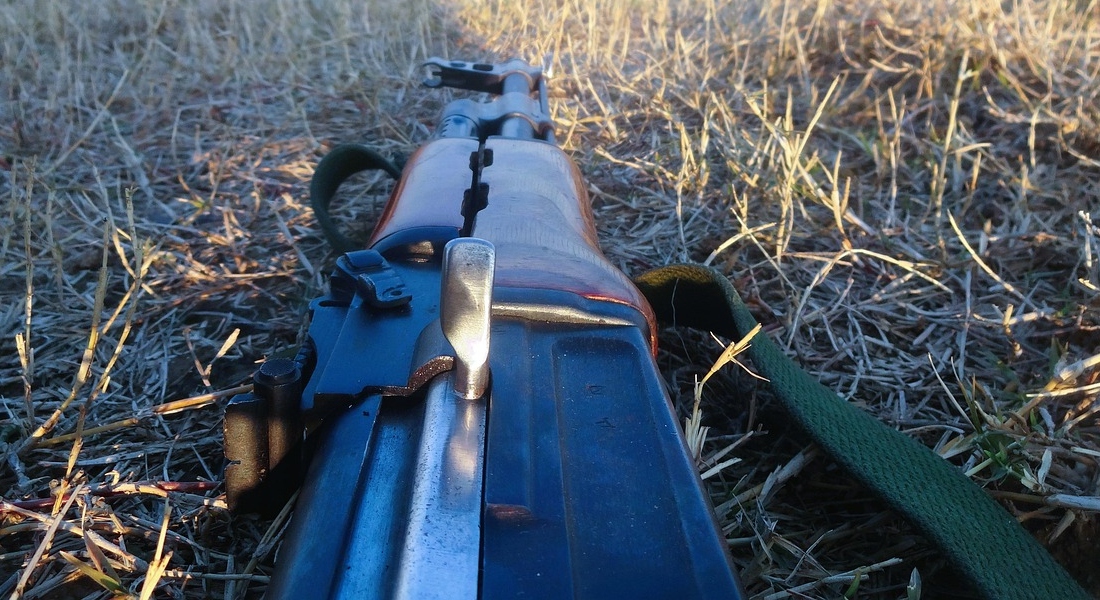
How to Inspect and Clean the Cam and Trip Bar
The cam and trip bar perform different jobs and wear differently, so AK super safety cleaning means inspecting them separately rather than treating them as a single assembly.
Trip bar inspection starts at the BCG contact point. This is where AK super safety wear first becomes visible: small impact marks that deepen over round count. Check for rounding at the contact tip and verify the trip bar moves freely through its full range of motion with no binding. Any resistance at the pivot means carbon buildup or a developing burr — clean with a fine abrasive and recheck. Those who only inspect the cam and skip the trip bar consistently miss the component that shows wear first on this platform.
For the cam, check the shelf surface for flat spots and carbon buildup. The gas-piston system keeps the cam cleaner than on an AR-15, but a carbon ridge at the shelf edge still changes the cam’s contact geometry with the trigger cut surface over time.
As a final touch, clean and maintain a super safety system with a fine abrasive rather than solvent alone — solvent removes the carbon but leaves surface roughness that a light abrasive addresses.
The Retainer Plate — Does the AK Retainer Plate Need Maintenance?
The retainer plate holds the cam and trip bar assembly in position within the receiver, keeping the selector mechanism correctly located relative to the trigger group. Over a round count, it develops play, which shifts the cam’s position relative to the trigger and produces an inconsistent reset feel before it produces an obvious functional failure. Any lateral movement in the cam assembly that wasn’t present at installation is the replacement signal — not a functional failure, because by the time the system fails, the wear has been building for a while.
The titanium retainer plate included in Redacted Arms kits is more durable than printed alternatives, but it still needs periodic inspection on high round count builds. If you’re building or researching parts for an AK super safety STL setup, treat it as a consumable from the start.
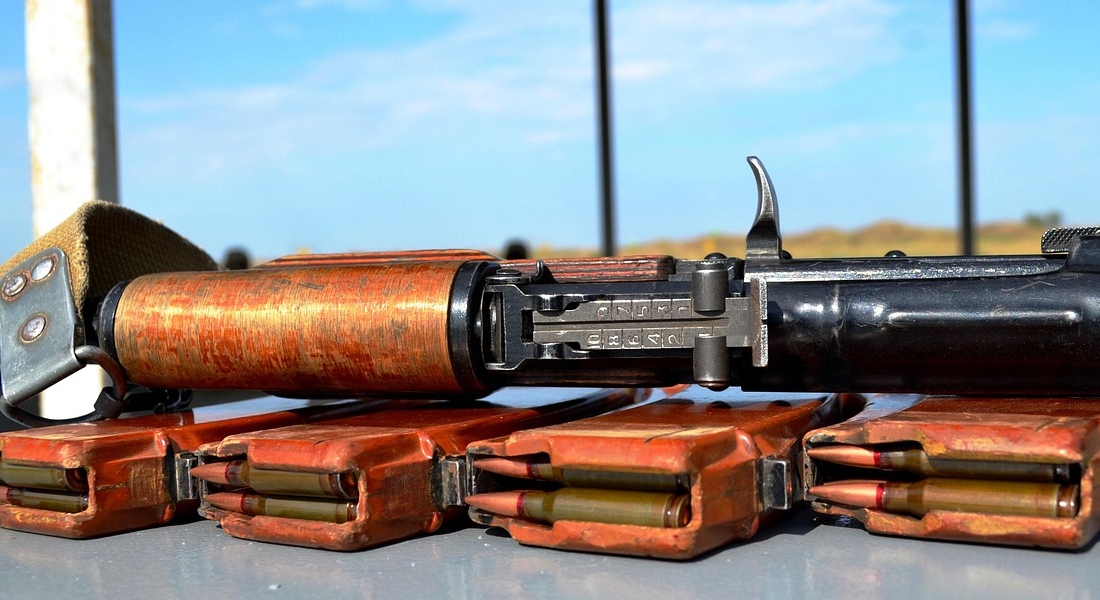
Trigger Contact Surface and Lubrication
The AK trigger cut surface accumulates carbon where the cam shelf rides during reset. Less carbon reaches this area than on an AR-15 build. But it still accumulates enough over several hundred rounds to affect contact geometry. Therefore, AK builders who skip this check because the gas-piston system keeps the trigger group clean often notice the reset feeling progressively heavier before they identify the cause.
Check the cut surface for any carbon ridge at the edge where the cam shelf contacts it. A ridge that changes the cam’s contact angle changes the reset feel and, over time, the timing. Clean the surface and verify it’s smooth before lubricating.
For lubrication: light application on the cam shelf and trip bar pivot only. Too much lubricant on an AK attracts the fine carbon and metal dust the gas-piston system does produce, which accelerates wear at the contact surfaces rather than preventing it. The AK super safety 3-position selector rewards consistent light lubrication over infrequent heavy application — the goal is a clean film, not a wet part.
Post-Range Inspection Sequence for AK Builds
The AK super safety has fewer inspection points than the MP5, but a different priority order than the AR-15. Retainer plate first, trip bar second, cam third, trigger surface last. Following the AR-15 sequence consistently results in missing the retainer plate and trip bar issues that are more likely to cause problems on this platform.
Work through this in order after every range session:
- Retainer plate lateral play — check for any movement that wasn’t present at installation; this is the highest wear risk on the AK
- Trip bar BCG contact point — fresh impact marks, rounding, or binding at the pivot
- Cam shelf — carbon buildup or flat spots at the contact surface
- Trigger cut surface — clean and smooth where the cam shelf rides
Each step takes under a minute. Add these to your regular post-range firearm inspection routine before anything starts feeling different.
Same Principles, Different Priorities
AK super safety maintenance isn’t complicated — but it rewards knowing which components wear first on this platform. The gas-piston system keeps the cam and trigger group cleaner than an AR-15 build, which is an advantage. The retainer plate and trip bar contact point are where the work shows up instead. Check them first, check them consistently, and the rest of the inspection takes care of itself.
FAQs
How often should I clean my AK super safety?
Inspect after every range session, regardless of round count. Cleaning frequency can be lower than on AR-15 builds because less carbon reaches the trigger group, but the retainer plate and trip bar contact point need checking every session. Round count matters more than calendar intervals: a high-volume range session warrants the full inspection sequence even if you cleaned recently.
Does the AK retainer plate need to be replaced regularly?
Yes, it's a consumable. Replacement interval depends on round count and whether the build runs suppressed; suppressed builds accelerate wear across all contact points. The replacement indicator is lateral movement in the cam assembly that wasn't present at installation, or an inconsistent reset feel that persists after cleaning the cam and trip bar.
How do I know if my AK super safety cam needs replacing?
Look for flat spots on the shelf surface, rounding at the engagement edge, or a cam that feels rough rotating between positions even after cleaning. A cam that has developed a flat spot changes its contact geometry with the trigger cut surface — the reset feel changes before the system fails, which is the replacement signal to act on before it becomes a function issue.
Does the FIME trigger affect AK super safety maintenance?
Yes. The FIME trigger provides the geometry the system was designed around, which means the trigger cut surface contact is consistent and predictable. Using untested trigger designs changes the contact geometry at the cam shelf, which changes both the wear pattern and the maintenance picture — what wears first and how fast becomes less predictable when the trigger geometry hasn't been validated with the super safety cam.