



What to Look for in an MP5 Lower
Not every lower that accepts AR-style fire control parts will behave the same once a super safety system is introduced. The ejector lever fit, housing stiffness, and denial block clearance are the main factors that decide whether the setup runs smoothly or needs adjustment work. Before you buy, you need to understand how small differences between lowers and production batches can change real-world performance.
Many builders assume that any lower that accepts AR-style fire control parts will perform the same once installed on an MP5 platform. In reality, that assumption often breaks down during real use. This is especially true in an MP5 lower super safety build, where small differences in geometry and fit can change how the system cycles. Before choosing firearm parts and accessories for an MP5-style setup, learn how internal fit, tolerance variation, and host compatibility affect performance. That way, you can avoid mismatched components and unnecessary fitting work after purchase.
Why Not Every AR FCG Compatible Lower Is Equal
An MP5 AR FCG lower is designed to accept standard AR-style fire control components — trigger, hammer, disconnector, and pins. That compatibility doesn’t mean the internal geometry was designed with the super safety’s specific movement requirements in mind.
With MP5 super safety, the cam needs correct selector hole alignment. The lever needs clean BCG clearance. The slip trip needs to pass the denial block with zero resistance in any direction. A lower that meets all three of those conditions without fitting work is genuinely super safety ready. One that requires work on any of them is still compatible — but it isn’t plug-and-play, regardless of what the product description says.
The most common buyer disappointment is purchasing a lower based on AR FCG compatible marketing language. Then, discovering that the super safety installation requires fitting work that was never mentioned. AR FCG compatibility is a baseline, not a performance guarantee.
Ejector Lever Fitment — The Most Critical Variable
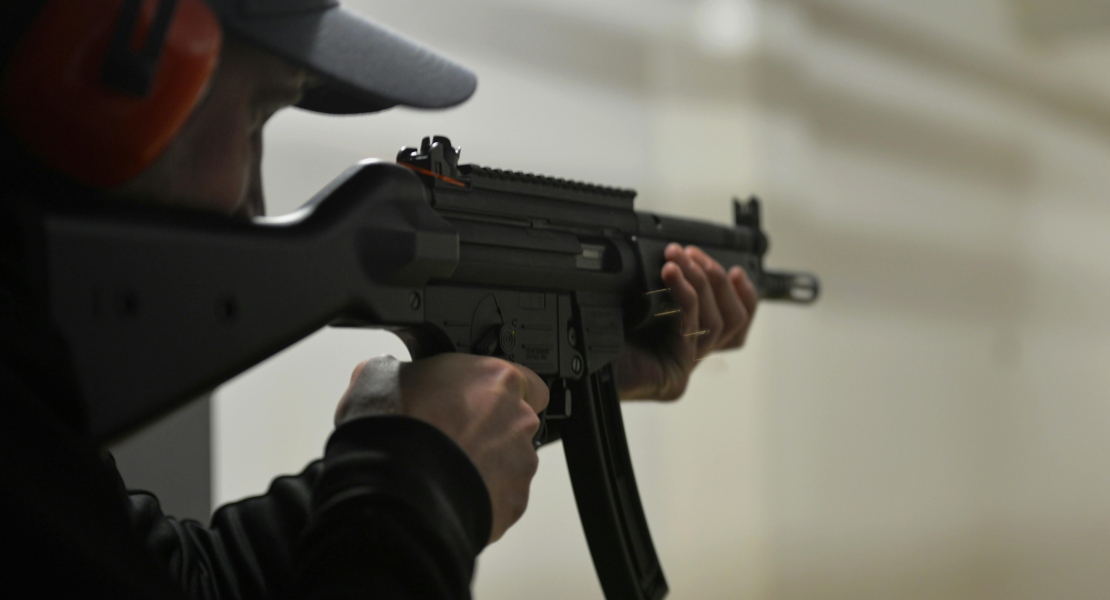
The ejector lever sits inside the FCG housing and rides in the bolt carrier groove. Its fit directly affects cycling consistency. If it has lateral wobble, the bolt carrier can’t travel fully into battery, which causes light primer strikes in MP5 super safety and reset failures. This makes ejector lever fitment the single most important variable to check before running a build.
What to look for before purchase:
- Zero lateral wobble, free vertical movement — any side-to-side play means the bolt carrier won’t reach full battery consistently
- On Leber V2 lowers — FCG housing compression determines fit; the steel internal cassette keeps the ejector lever aligned under cycling without adjustment
- On ARMP5v3 Rev1 lowers — the ejector lever nut torque sets the fit and needs to be verified periodically, especially on suppressed builds
- On full polymer designs — ejector lever wobble that isn’t present at installation but develops over round count is the most consistently reported MP5 lower super safety build issue; steel-reinforced housings show this significantly less
A lower that ships with a correctly fitted ejector lever eliminates the most common cause of MP5 super safety failures before the first round is fired. Suppressed builds accelerate wobble development because the increased cycling energy works the housing loose faster — shorter inspection intervals apply.
FCG Housing Rigidity and Material
Housing stiffness determines whether internal geometry stays consistent under repeated cycling. If the housing flexes even slightly, it changes how every internal component interacts simultaneously. Furthermore, timing failures from housing flex are difficult to diagnose because nothing is obviously broken.
What separates reinforced from unreinforced designs in practice:
- Steel-reinforced housings — steel SCS plates or an internal cassette keep FCG geometry consistent through sustained cycling; the Leber V2’s steel internal cassette is why it became the reference standard
- Full polymer designs — adequate at installation, but more likely to develop tolerance issues after several hundred rounds, as cycling forces work the geometry loose
- Suppressed builds — accelerate housing wear on both designs; steel reinforcement is the difference between a lower that holds spec and one that doesn’t pass the first few range sessions
- Failure pattern to know — a lower that feels solid at installation but develops reset inconsistency after a few hundred rounds is almost always a housing flex problem, not a parts problem
Housing rigidity isn’t about how the lower feels at assembly. It’s about whether the geometry holds after the cycling forces have had time to work on it.
Denial Block Clearance and Slip Trip Fitment
The denial block is a semi-auto compliance feature machined into the upper receiver. Its position and profile vary between MP5 hosts and between production batches of the same host. The slip trip must pass with zero resistance in all directions. Any contact causes resistance during bolt travel, inconsistent reset behavior, or partial cycling, depending on how tight the interference point is.
A lower that pairs cleanly with one host’s denial block geometry may require slip trip fitting work on another. The Leber V2 works across AP5-P, SP5, SP5K, PTR, and MKE hosts. This is what makes it a known quantity rather than a guess. MAC5K receivers are documented to be out of spec by a margin that makes fitting work essentially mandatory regardless of which lower is used.
AP5-P batch changes in early 2025 caught many existing lower and slip trip combinations out of spec. Setups that ran cleanly on pre-2025 receivers needed fitting work on post-2025 production. Host-specific documentation is the only reliable way to know what you’re getting into before purchase. Refer to the MP5 slip trip problems guide for a full breakdown of how denial block variance produces specific failure patterns.
What the Leber V2 Gets Right — And What to Look for in Alternatives
The Leber V2 lower became the reference standard for MP5 super safety builds because it was designed specifically around the super safety’s geometry requirements: steel SCS plates, steel internal cassette, documented host compatibility, and a pre-installed FCG and super safety option. The four features that make a lower genuinely super safety ready:
- steel-reinforced FCG housing,
- correctly fitted ejector lever with zero lateral wobble,
- documented denial block clearance for the target host,
- and selector hole alignment for the cam.
Check any alternative lower against those four criteria before purchase, not against AR FCG compatibility claims. A lower that checks all four doesn’t guarantee zero fitting work. But it dramatically reduces the probability of the fitment problems that show up after the first range session.
Four Variables, One Decision
Ejector lever fitment, housing rigidity, denial block clearance, and host-specific tolerance variance are what determine whether an MP5 lower super safety build runs from the first session or requires significant fitting work before it does. Evaluating a lower against those four criteria before purchase is what separates a smooth build from one that gets diagnosed at the range.
FAQs
Does the Leber V2 work with super safety?
Yes — it's the documented reference standard for MP5 super safety builds. The steel internal cassette and pre-fitted ejector lever eliminate the two most common fitment problems before installation. Host compatibility is still a variable; AP5-P, SP5, SP5K, PTR, and MKE are all documented, with known fitting requirements for each.
What is the difference between MP5 and MP5K lower for a super safety build?
The main difference is geometry. Full-size MP5 lowers require the rubber buffer to limit bolt travel and protect the slip trip — K-size setups have shorter receiver dimensions that change linkage travel distance and clearance paths. Full-size versions generally allow more room for component movement, but the buffer requirement adds a maintenance variable that K-size builds don't have.
Does Mac5k work with super safety lower?
It can work, but MAC5K receivers are documented to be out of spec by a margin that makes fitting work essentially mandatory. That's known information worth factoring in before committing to the combination — it's not a dealbreaker, but it's not a plug-and-play setup either.
How do I know if my MP5 lower needs fitting work before installation?
Check three things before live fire: ejector lever lateral wobble, selector hole alignment for the cam, and slip trip clearance through the denial block area. The ejector lever check takes thirty seconds — hold the lever and verify zero side-to-side movement with free vertical movement. If any of these show resistance or movement issues during dry cycling, they need to be addressed before the first range session.