



Why Small Firearm Parts Wear Out Faster (and How to Prevent It)
The repeated motion, friction, and concentrated stress in tight spaces make small firearm parts wear faster, mostly because these high-cycle components handle constant mechanical load, which accelerates fatigue compared to larger, more stable parts.
Long before major components show visible problems, tiny internal parts can begin affecting timing, responsiveness, and mechanical feel in ways that are easy to overlook at first. Many reliability issues start gradually. For example, a trigger reset that feels slightly less positive, a selector that no longer clicks into position with the same authority. These subtle changes only become obvious after wear has already progressed. While larger components tend to dominate conversations about durability, the smallest moving parts of a super safety system usually absorb the highest number of repeated interactions during normal operation.
Why Small Firearm Parts Wear Out Faster Than Larger Components
Small firearm parts wear faster because repeated force is concentrated across much smaller contact areas. Larger components like receivers and barrels distribute stress across more material, while parts such as detents, sears, and selector cams absorb the same repeated motion through tiny engagement surfaces. That localized pressure accelerates fatigue and surface wear over time.
NASA research on structural fatigue shows that repeated loading gradually creates material degradation and micro-cracks at stress concentration points, even under relatively low overall force. In smaller components, there is simply less material available to absorb and disperse that stress with each cycle.
In practice, wear usually appears in feel before it affects function. Trigger resets may feel less defined, selector positions softer, or engagement surfaces less consistent during repeated operation. By the time those changes become obvious, the wear has often been developing for quite a while.
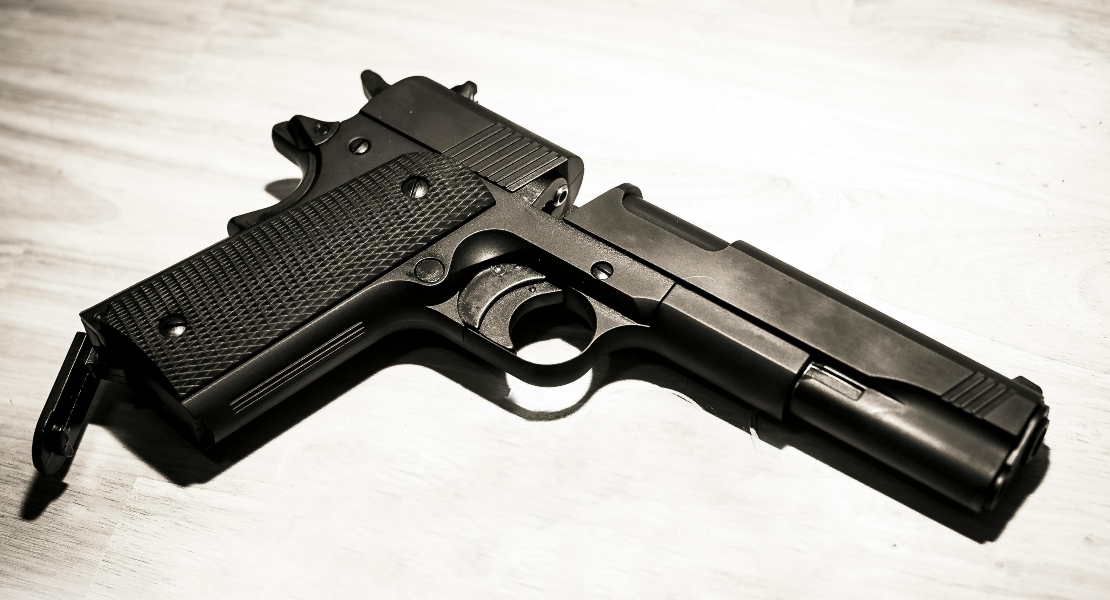
What Drives Small Gun Parts Wear and Tear
To understand what causes wear in high-cycle components, it helps to look at the contributing factors in sequence rather than as a single event:
- Each firing cycle creates metal-on-metal contact at engagement surfaces, removing small amounts of material with every repetition
- Insufficient or inconsistent lubrication increases friction between moving parts, accelerating the material removal
- Carbon fouling and debris act as abrasives inside tight clearances, grinding surfaces that should be gliding
- Variations in material quality — particularly in MIM (metal injection molded) parts versus machined or tool-steel components — affect how long a part holds its geometry under repeated stress
- Heavy range use, competition shooting, and repeated dry fire mistakes can compress years of normal wear into a much shorter timeframe.
Wear is rarely caused by a single issue. It’s usually the result of multiple small factors adding up over time, which is also why the first signs are subtle enough to ignore until they are not.
Which Firearm Components Wear Out Fastest
When identifying the firearm components that wear out fastest, a few categories consistently appear first:
- Springs under continuous compression or tension lose preload gradually. A recoil spring, detent spring, or trigger return spring does not fail suddenly — it weakens incrementally until the part it controls begins behaving differently
- Engagement surfaces such as sears experience friction on every trigger pull. Even well-finished surfaces develop rounding at contact edges over thousands of cycles, which changes the feel and break of the trigger
- Detents and pins absorb repeated impact and lateral force from parts moving across or around them. A rounded safety detent, for example, is one of the highest-contact points in a selector system
- Selector and control components see frequent manipulation independent of firing — every time the firearm is handled, the selector moves. Parts that handle this type of dry manipulation accumulate wear separately from the round count
How to Spot Signs That Small Firearm Parts Are Wearing Out Too Quickly
Most wear-related issues begin gradually, and catching them early is often the difference between a simple part replacement and a reliability problem that spreads to adjacent components. The signs that small firearm parts wear out too quickly often appear in feel before they appear in function:
- A selector stops clicking into position as firmly — the super safety detent no longer provides the same resistance or positive feedback
- Trigger movement feels less consistent during repeated use, or the reset point begins to shift slightly
- Increased looseness or uneven movement develops between parts that previously had tight, predictable engagement
- Visible wear marks, edge rounding, or slight deformation appear on engagement surfaces during cleaning
- A spring-loaded component begins behaving sluggishly — slower return, less authority in its movement
The Mechanics Behind Why Wear Spreads
Wear in one small component often accelerates wear in the parts around it. When a super safety cam begins losing geometry at its contact edges, the surfaces it engages stop receiving force at the correct angle. That uneven pressure changes how nearby springs, levers, and engagement surfaces interact, accelerating wear across the system.
What starts as a softer selector click can eventually turn into inconsistent engagement or broader reliability issues involving multiple components. Identifying wear early, before tolerances shift further, is far easier than diagnosing the problem after it spreads.
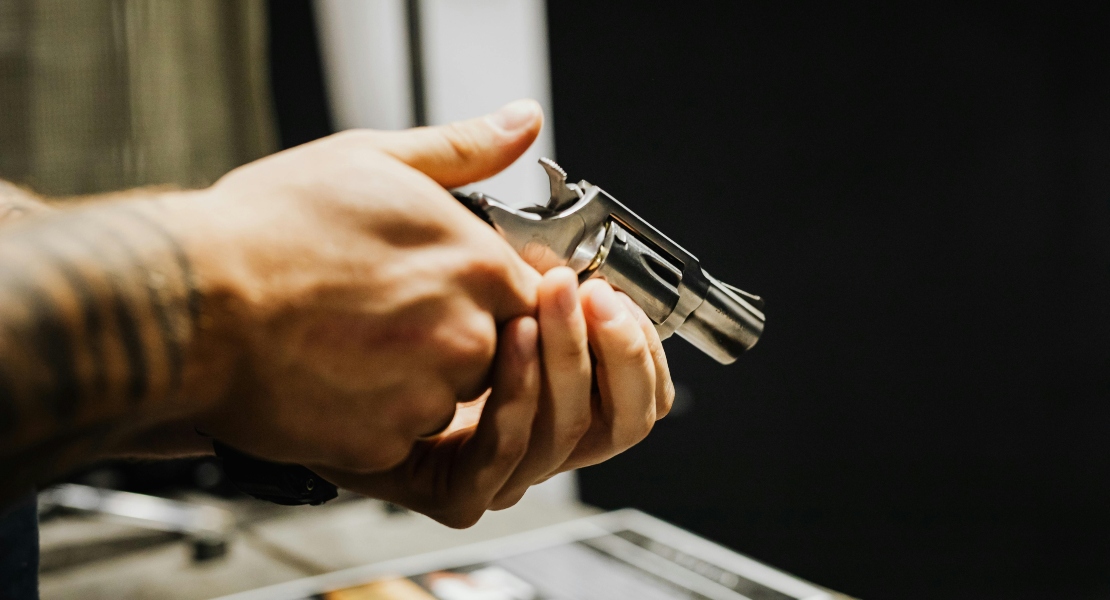
Choosing Replacement Parts Before Problems Develop
When a super safety lever or other high-cycle control component begins showing wear, material choice matters as much as the replacement itself. Softer materials tend to follow the same wear pattern under repeated use, while harder alloys such as CPM-10V tool steel resist edge deformation and fatigue significantly longer.
Material quality affects small firearm components’ lifespan more than almost any other variable. Under comparable use conditions, a well-machined tool-steel part will generally outlast a MIM alternative by a meaningful margin.
Mistakes That Accelerate Wear in Small Parts
Some wear is inevitable. But small firearm parts wear out quickly in some cases, and far more slowly in others, largely because of how they are maintained and handled. The most common mistakes include:
- Skipping post-range firearm inspection and routine cleaning, allowing carbon and debris to act as abrasives inside tight clearances
- Using low-quality or dimensionally inconsistent components that shift out of tolerance faster
- Ignoring early warning signs and continuing to use as normal
- Over-lubricating, which attracts fouling and creates a grinding compound at contact surfaces
- Under-lubricating, which leaves metal-on-metal contact without a protective film
- Treating small parts as unimportant because they are small — size does not correlate with load or cycle count
What Small Firearm Components Tell You About Your Whole System
Repeated friction, impact, and cycling gradually wear down even properly maintained internal components — especially those responsible for timing and engagement during operation. With consistent care, attention to early signs, and timely replacement, performance remains stable. Paying attention to smaller components leads to better long-term reliability and fewer unexpected issues.
FAQs
What parts of a firearm wear out the fastest?
Springs, detents, and engagement surfaces top the list because they handle the highest number of repeated interactions per use. Springs lose preload incrementally; detents absorb impact from selector and pin movement; engagement surfaces experience friction on every trigger pull.
Does dry firing accelerate small parts wear?
It depends on the firearm and the specific parts involved. In centerfire firearms, occasional dry firing causes minimal wear in most cases. Extended or frequent dry cycling, particularly of the selector and control components, does accumulate wear on detents and engagement surfaces over time, independently of round count.
What is the difference between MIM and machined parts for small component longevity?
Metal injection molded (MIM) parts are cost-effective and dimensionally consistent when manufactured correctly, but they are generally softer than machined tool-steel alternatives. Under high-cycle conditions, a machined part in a harder alloy such as CPM-10V will typically hold its geometry longer and show less edge rounding at contact surfaces.