



What Most People Get Wrong About Small Firearm Components
Small firearm components are internal parts that control movement, timing, engagement, and reset inside a firearm system. They include detents, springs, levers, cams, and fire control parts. Correct identification and compatibility help prevent fitment errors, timing issues, and reliability problems.
Firearms operate as coordinated systems where even the smallest internal elements influence overall performance. Many users focus on larger assemblies, but misidentification of small firearm components is where most selection and installation errors begin. Parts can appear nearly identical while serving completely different roles. Because these parts work inside larger structures rather than on their own, a wrong choice rarely produces an obvious error — it produces a subtle one that builds over time. This becomes especially important when working alongside larger assemblies and supporting firearm parts and accessories, where each component must align correctly within the system.
What Small Firearm Components Are
Small firearm components are the internal elements that control positioning, engagement, and movement within a firearm system. Unlike major assemblies such as receivers or slide groups — which provide structure — these parts operate inside those structures and define how internal actions are executed. Their role is functional rather than structural.
A part’s identity comes from what it does, not what it looks like. Two components can share nearly identical dimensions while behaving completely differently depending on where they sit in the sequence and how they engage with adjacent parts. This is especially important when working with grouped categories such as super safety parts, where multiple components are designed to function together within a specific configuration, and substituting one changes how the whole group behaves.
Types of Small Firearm Components and What They Do
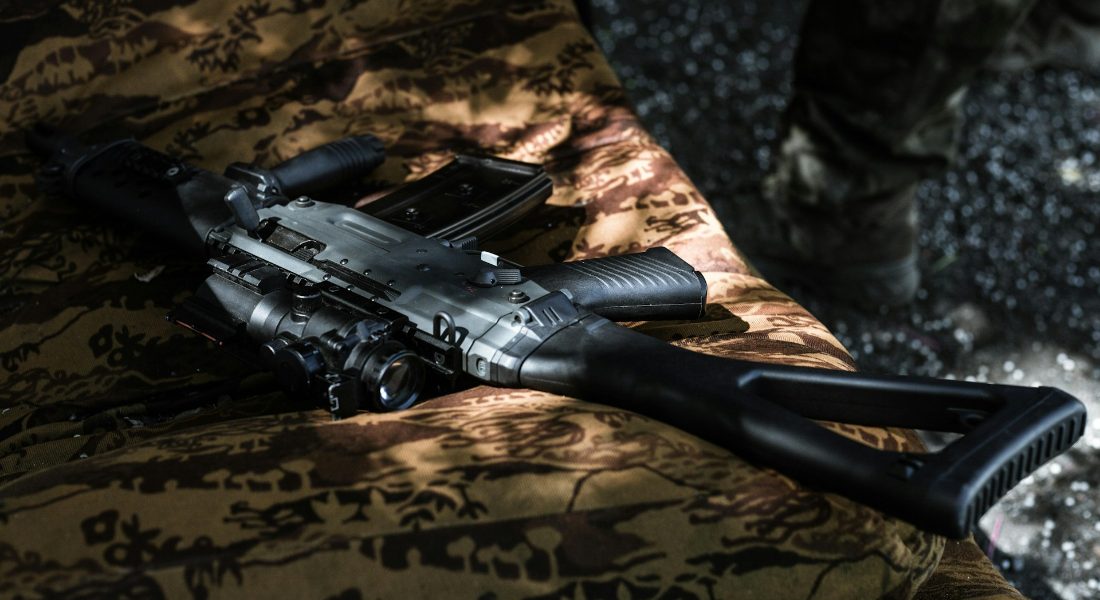
Organizing the types of internal parts of a firearm by function makes identification more reliable and reduces the risk of confusing visually similar parts. Instead of relying on appearance, each category reflects how a component behaves under movement, pressure, and repeated use.
Retention Components
Retention components keep parts seated and stable during operation. Their role is to maintain a position under constant movement and vibration.
- Detents
- Springs paired with detents
- Retaining pins
In practical terms, these parts often define how secure a control surface feels. A rounded safety detent can change how smoothly a selector engages and how consistently it holds position over time. The same principle applies to variations like a super safety detent, where small differences in shape or material can influence how the component seats and responds under repeated use.
Control Components
Control components manage how force moves through the system. They guide direction, transfer input, and coordinate interaction between internal parts.
- Levers
- Selector switches
- Cams
- Safety mechanisms
These parts rely heavily on alignment and contact surfaces. Small shifts in geometry can alter how movement is transferred, especially in components like the super safety lever, where engagement depends on precise positioning. The same applies to motion-shaping elements like the super safety cam, which influences how force is redirected within the system.
Fire Control Components
Fire control components regulate engagement, release, and reset within the firing sequence. They operate under the tightest timing constraints in the system.
- Trigger
- Hammer
- Sear
- Disconnectors
In a typical firearm component breakdown, these are considered the main internal firearm components because they directly control how input translates into action. A milspec trigger, for example, is designed to maintain consistent engagement and reset behavior across repeated cycles.
Why Fit, Dimensions, and Tolerances Matter
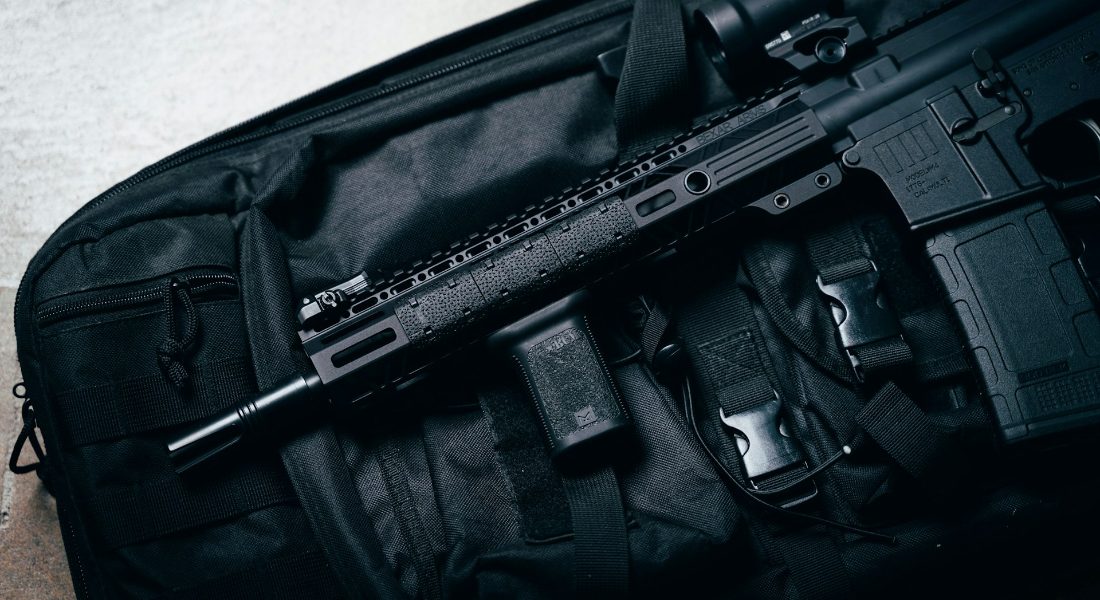
The way small firearm components interact depends on how precisely they fit together. Because movement is transferred through a sequence of contact points, even small variations in size or alignment can change how the system behaves under repeated use.
Fit and Contact Surfaces
Proper fit is not just about whether parts physically install, but how they engage once movement begins. Contact surfaces must align correctly to allow the smooth transfer of force between components. When alignment is slightly off, movement may still occur, but it will feel inconsistent or require additional force, and over time, this produces uneven wear across engagement surfaces.
Tolerances and System Response
Tolerances define how much variation is allowed between interacting components. Tighter tolerances produce more predictable engagement and smoother transitions between steps. Looser tolerances may still allow function but introduce variation in timing and response that compounds across repeated cycles.
Tools such as a trigger jig can be used during setup to verify alignment and confirm components are positioned within intended tolerance ranges before the system is cycled.

Compatibility Across Firearm Platforms
Compatibility between internal parts of a firearm depends on how each platform is designed and how tightly its internal dimensions are controlled. Even when parts appear similar, differences in geometry, tolerances, and engagement surfaces often limit how reliably they can be used across systems.
A common question is whether small firearm components are interchangeable. In most cases, they are not. Compatibility is typically limited to parts that follow the same platform standards and dimensional specifications.
- AR-style systems usually offer the most predictable fit because many parts follow shared dimensional standards.
- AK-style systems vary more by manufacturer and production run, so visually similar parts may not behave the same once installed.
- MP5-style systems rely on tighter tolerances, which makes exact matching more important and limits substitution.
The safest way to judge compatibility is by specification, not appearance. If a component does not match the intended platform, small differences in geometry or engagement surfaces can affect timing, movement, and reliability.
What Causes Failure in Small Firearm Components
These parts rarely fail because something is completely broken. Failure shows up as behavior — something that feels off before it becomes something that stops working.
Mismatch between parts
Components may look identical but differ slightly in geometry or spring tension. A detent from one manufacturer may sit 0.003 inches shallower than intended, which doesn’t stop the selector from moving, but means it won’t hold a position under recoil the way it should. The system cycles, nothing appears wrong, but the inconsistency is already there.
Fit and alignment issues
A part that installs without resistance is not necessarily seated correctly. A trigger group installed with contact surfaces even slightly out of plane will transfer force unevenly. The pull weight feels normal at first, but gets heavier or staggers partway through the cycle as the misalignment loads against movement instead of with it.
Tolerance differences
When a component sits outside its intended dimensional range, the timing of the sequence shifts. A hammer spring that’s slightly underspec, for example, won’t cause the hammer to fail to drop. It will cause the reset to feel mushy and inconsistent because there isn’t enough return force to drive the trigger back to full engagement reliably. The deviation is in the interaction, not in either part individually.
Installation errors
Incorrect orientation or pairing usually doesn’t cause immediate failure. A disconnector installed in the wrong orientation is a common example — the trigger pulls and resets, but the reset point moves, so the shooter has to travel further forward before the system is ready again. It feels like a trigger quality issue when it’s actually a sequence issue. These installation errors can be prevented by following the super safety install guides.

Going Deeper on Small Firearm Components
The sections above cover the foundational layer. These articles go further into specific parts of that topic.
Understanding specific components
- What is a Detent in Firearm Systems and Why Do They Matter?
- How Firearm Triggers Actually Work
- Mechanical Causes of Trigger Creep and Reset Length
- Which Small Firearm Parts Affect Accuracy the Most?
Buying or replacing parts
- 316 Stainless Steel vs 6061 Aluminum: Which Material Performs Better in Small Components?
- When Should You Choose Lightweight vs Heavy-Duty Components?
- When to Replace Trigger Parts Instead of Spending More on a Full Kit
- Ordering Firearm Parts Online? Check These Details Before You Buy
Diagnosing a specific problem
- Signs of Worn Trigger Components You Should Never Ignore
- Why Your Super Safety Is Not Resetting and What Causes It
- What Causes Light Primer Strikes With a Super Safety Setup
- Common MP5 Slip Trip Problems and What Causes Them
Platform-specific assembly and failures
Bringing the System Together
Before installing any small internal component, confirm it matches your platform’s specification — not just its appearance. Check engagement surfaces for correct alignment before cycling the system. If something feels inconsistent during function testing, the cause is usually an interaction between parts rather than a single failed component. Start there.
FAQs
What are small firearm components?
They are internal elements that control movement, positioning, and engagement within a firearm, working inside larger assemblies to manage how the system operates.
Does installation order matter?
Yes, in some cases. Installing out of sequence can result in parts that appear correctly installed but are not fully seated, which shows up later as inconsistent engagement or unexpected movement under use.
Are AR, AK, and MP5 components interchangeable with each other?
No. Each platform uses different dimensional standards and engagement geometries. Even parts that look identical across platforms will likely cause timing or fitment issues once installed.
How do I know if a small component is worn out?
Look for inconsistent reset, sluggish engagement, or a change in how the selector or trigger feels under use. Wear rarely shows as a single obvious failure — it builds as small inconsistencies across repeated cycles.
Does spring tension matter as much as the part itself?
Yes. A correctly shaped detent paired with a weak or wrong spring will still cause positioning problems. Spring rate is part of the specification, not an afterthought.