



How to Inspect Gun Magazines for Wear, Cracks, and Weak Springs
Learning how to inspect gun magazines helps catch small changes in alignment, tension, and internal movement before they turn into repeated malfunctions. Most issues begin with subtle wear, not obvious damage, which is why early inspection matters.
Many magazine problems develop gradually, which is why they are easy to miss until malfunctions start showing up at the range. Learning how to inspect gun magazines gives you a way to catch those changes earlier by checking the parts that wear first. Most magazine problems begin as small alignment changes, not visible damage. That’s why regular inspection matters, whether you’re buying parts from Super Safety Shop or maintaining existing equipment, because cracks, weak tension, and internal wear do not always show up right away.
Safety First: Clear the Magazine Before Inspection
Always confirm the magazine is empty before you inspect the firearm magazine for damage. Start by removing all ammunition, then take a moment to visually check the interior. This makes it easier to see what you’re working with and prevents anything from interfering with the inspection.
Even a single loose round can block visibility or shift inside the magazine, which makes it harder to notice small defects.

Examine the Magazine Body for Physical Damage
Begin with the overall shape of the magazine body. It should look straight and consistent, without visible warping or uneven surfaces. From there, scan the exterior for cracks, dents, or pressure marks. These often show up along corners or near the lower section, where the magazine takes the most stress during use.
When checking a magazine for cracks and wear, focus on subtle changes in shape as much as obvious damage. If you have another magazine for comparison, small differences become much easier to spot.
Feed Lip Damage: Causes of Feeding Issues
Feed lips control how rounds are held in place and released, so their shape needs to stay consistent. As part of how to inspect a pistol magazine, check that both sides match in height and spacing. Even small differences can change how rounds sit before release.
Look closely for widening, chips, or uneven edges. These changes usually happen gradually, which is why they are often missed during quick checks.
Test the Magazine Spring Tension
The spring controls how much force pushes rounds upward inside the magazine. Press the follower down and release it to feel how the spring responds. A healthy spring moves smoothly and returns with steady force.
If you compare it to another magazine, differences in resistance become easier to notice. You might notice this first when rounds stop rising evenly during loading or feel slower to reset after pressure. Furthermore, changes in spring tension are easy to confuse with broader performance changes, especially when other parts of the rifle have also been modified. An AK trigger upgrade may change how the rifle feels during operation, but it does not change the upward force inside the magazine.
Check the Follower for Smooth Movement
The follower keeps rounds aligned as they move upward, so its movement should remain smooth and level. Press it through its full range and watch how it tracks inside the magazine. It should move evenly without tilting or catching on the sides.
Internal alignment problems need to be checked on their own, even when the rifle includes other upgraded parts. The super safety kit for AR-15 platform may affect how the platform operates, but it does not correct follower tilt, uneven tracking, or wear inside the magazine.
Wear marks or uneven surfaces can affect this movement. In practice, this often shows up as rounds tilting forward or stacking unevenly when you load the magazine.
Inspect the Interior for Dirt, Debris, or Residue
The inside of the magazine needs to stay clear so internal parts can move freely. Inspect the interior walls, corners, and base area for dust or buildup. Fine particles from regular use tend to collect in these areas and can slow down movement over time. If you find residue, clean it carefully and avoid using too much oil, since it can attract more particles.
Learning how to inspect gun magazines includes recognizing where debris gathers. Some AK magazine types, for example, have internal ribs that make those areas more prone to buildup.
Inspect the Base Plate and Retention
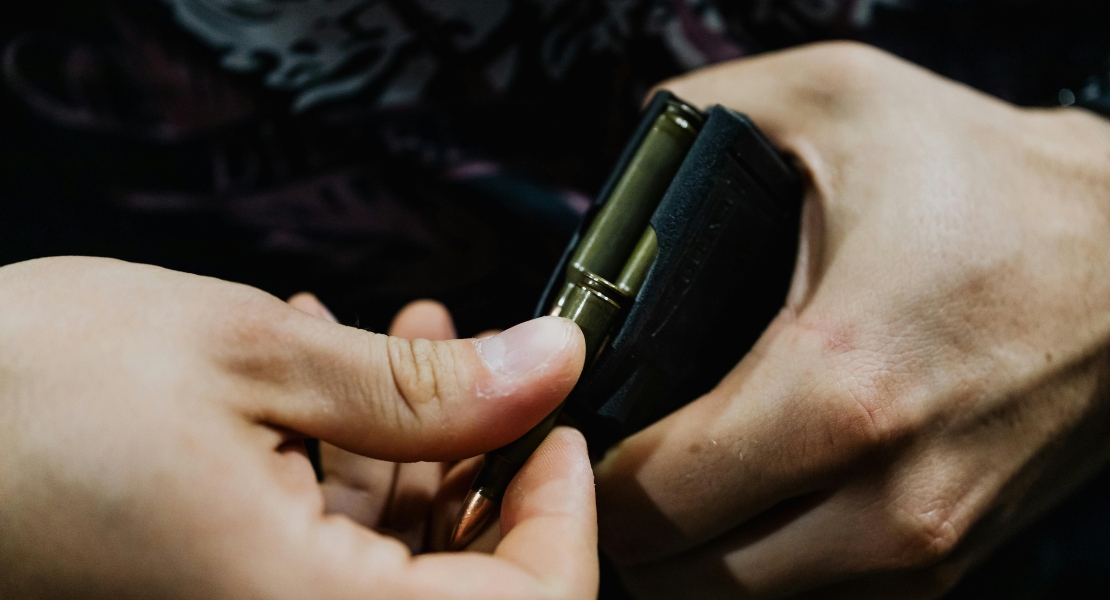
The base plate holds the entire internal system together, so it needs to stay secure. Apply light pressure to confirm it does not shift, then check locking tabs or retention points for wear. Everything should sit tightly and align with the magazine body.
Even slight movement here can change how internal parts sit, especially during repeated use.
Test Magazine Insertion and Removal
A magazine should fit cleanly into the firearm and move without resistance. Insert and remove it a few times to check how it seats. It should lock into place without force and release just as smoothly. Pay attention to how it aligns inside the magwell. Differences in fit can point to small structural changes or tolerance issues.
Fit issues are not always caused by the magazine itself. In some cases, they can come from improper setup or assembly problems. If alignment seems inconsistent, it may help to review common AR-15 assembly mistakes that affect how components interact.
How to Know If a Magazine Is Worn Out
Some signs clearly show when a magazine has reached the end of its usable life:
- Frequent feeding issues or jams
- Weak or inconsistent spring response
- Visible cracks or structural damage
- Follower sticking or tilting during use
- Inconsistent alignment of rounds
Gun Magazine Inspection Checklist
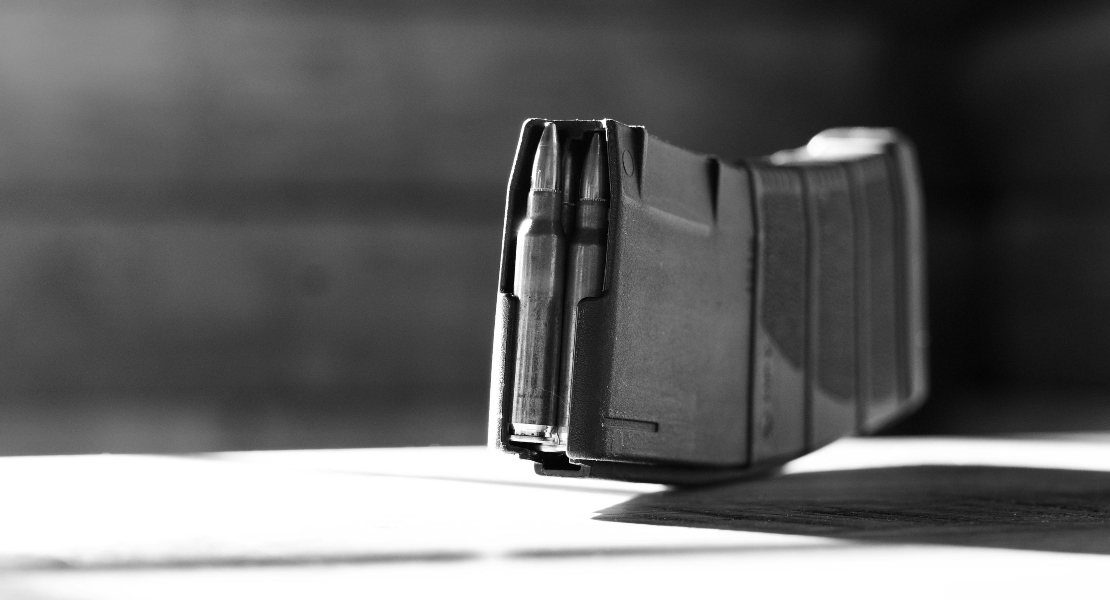
This checklist simplifies how to inspect gun magazines by organizing each step into a clear evaluation process.
- Confirm the magazine is empty
- Check the body for cracks or dents
- Inspect feed lips for wear or misalignment
- Test spring tension
- Check follower movement
- Look for debris inside
- Inspect base plate security
- Test fit in a firearm
This firearm magazine maintenance check can be used pre- or post-range sessions to maintain consistent reliability.
Small Magazine Issues Can Cause Bigger Problems
Each part of the magazine plays a specific role, and small changes in shape, force, or alignment can build up over time. Taking a few minutes to inspect magazines after use helps catch those changes early and keeps performance consistent.
FAQs
How do you know if a magazine is bad?
A magazine is likely bad when it causes repeated feeding issues, shows visible damage, or has weak spring tension that affects round movement.
How to tell if a magazine spring is weak?
A weak spring usually feels soft when compressed, returns slowly, or fails to maintain steady upward pressure on the follower.
What to look for in a gun magazine?
Check for cracks, feed lip wear, smooth follower movement, strong spring tension, and secure base plate retention.
When should you replace a gun magazine?
Replace a magazine when it repeatedly malfunctions, shows structural damage, or no longer maintains consistent feeding despite cleaning and inspection.