



Why Roller-Delayed Blowback Feels Different Than Direct Blowback
Roller-delayed and direct blowback systems can fire the same cartridge yet feel very different. The difference comes from how each action manages rearward force and bolt movement, which reshapes recoil timing, internal motion, and overall shooting feel.
Two firearms chambered in the same caliber can feel surprisingly different to shoot. Much of that contrast comes down to operating system design. When comparing roller delayed vs direct blowback, the difference is not the cartridge itself but how each system manages rearward force and bolt movement after firing. That timing shapes recoil character, cycling feel, and overall control. Shooters exploring MP5 basics often notice that this platform uses roller-delayed mechanics, which directly influence how the gun cycles and how recoil is perceived. In practical use, that difference becomes clear even before the mechanics are fully understood.
What Direct Blowback Is Doing When the Gun Fires
In a direct blowback system, the fired cartridge case pushes rearward directly against the bolt. There is no locking mechanism delaying the action. Resistance comes primarily from:
- Bolt mass
- Recoil spring tension
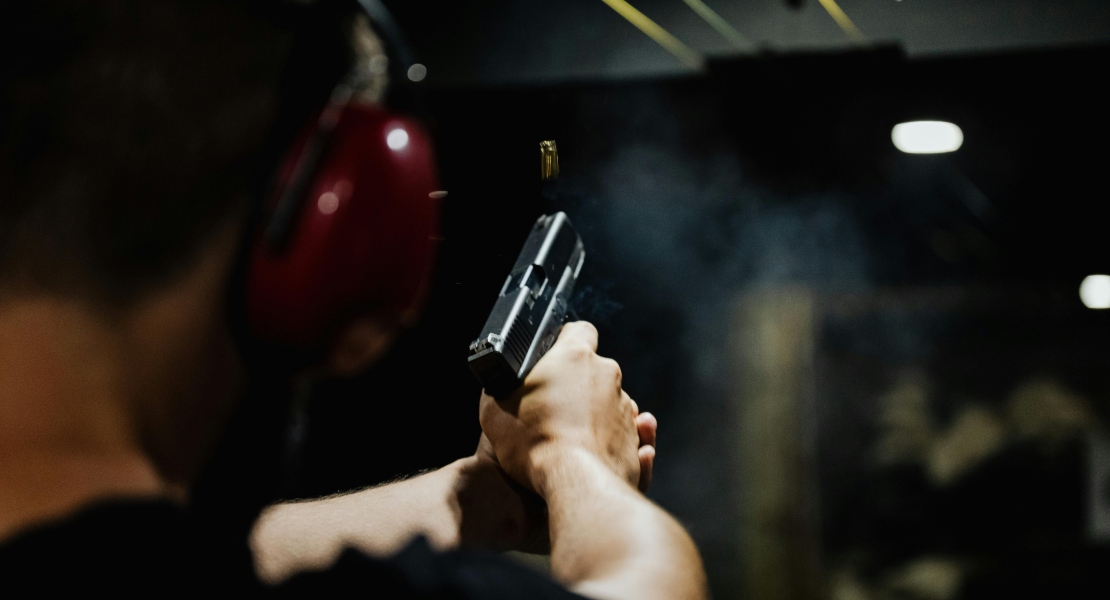
When the cartridge ignites, pressure drives the bullet forward and the case rearward. The heavy bolt and spring resist that motion until the pressure drops to safe levels.
This simplicity keeps manufacturing costs lower and maintenance straightforward. However, heavier moving parts mean more noticeable reciprocating mass. When the bolt begins moving, that momentum is clearly felt, especially in lighter platforms where the mass cycles more abruptly.
What Roller-Delayed Blowback Is Doing Differently
To answer “what is roller delayed blowback,” think of it as a system that slows bolt opening through mechanical leverage rather than relying only on weight and spring pressure. When the cartridge fires, rearward force is applied just as in any action. But internal rollers create resistance before the bolt carrier can move freely. This introduces a brief delay.
Instead of the bolt accelerating immediately, the system stages that movement. The result is not less energy, but differently timed motion. In side-by-side use, the recoil impulse often feels more controlled because the bolt does not begin moving as abruptly.
Why the Recoil Impulse Feels Sharper in Direct Blowback
Why does direct blowback recoil feel sharper? It comes down to timing and mass. In a direct blowback system, once spring resistance is overcome, the heavy bolt begins moving rearward in a relatively immediate way. There is no separate mechanical delay reshaping that motion.
In repeated firing, shooters often notice:
- A more pronounced rearward “slap”
- Audible bolt movement
- A distinctly mechanical sensation during cycling
Total recoil energy may be similar across systems. For a technical breakdown of recoil calculations, refer to SAAMI recoil formula guidelines.
Why Roller-Delayed Blowback Often Feels Smoother
The delayed opening in a roller system changes how quickly the action begins moving rearward. Instead of a heavy mass accelerating instantly, the delay spreads movement over a slightly longer interval. During repeated shots, roller-delayed recoil often feels more controlled and less abrupt, especially when tracking the sights.
“Smoother” does not mean lighter in every configuration. It means the internal movement feels less disruptive. The reciprocating mass still exists, but timing and leverage reshape how it is perceived. That altered impulse can make follow-up shots feel more predictable and easier to track.
Bolt Mass, Timing, and Movement: The Real Reason the Two Systems Feel Different
Direct blowback relies heavily on bolt weight and spring force. Once pressure overcomes resistance, the mass moves with noticeable momentum. Roller-delayed systems slow initial bolt movement through mechanical leverage.
In practice, perceived recoil depends not just on total energy, but on impulse duration and moving mass. Standard recoil formulas calculate projectile weight and velocity, yet they do not account for how action timing reshapes the impulse.
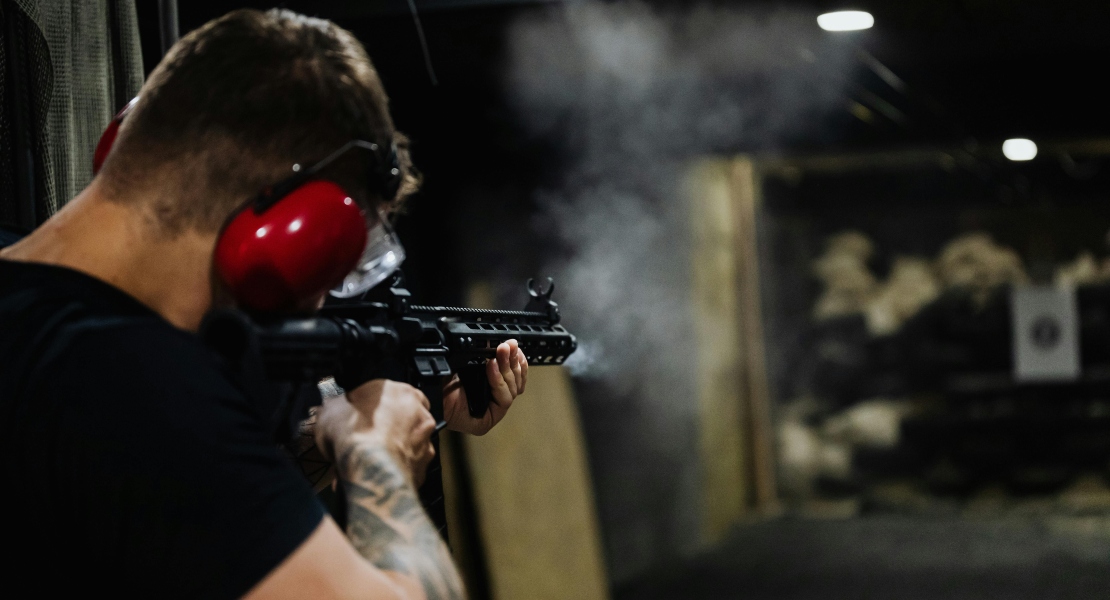
The practical difference between roller delayed and direct blowback becomes clear in how quickly the bolt accelerates and how that acceleration is transmitted to the shooter.
Much like discussions around direct impingement vs piston systems, the perceived change in feel often comes down to how internal movement is staged. In every case, the shooter is primarily experiencing action timing and reciprocating mass behavior, not just cartridge recoil energy.
Roller Delayed vs Direct Blowback: Rapid Fire and Follow-Up Shots
During faster strings, a sharper action often feels busier as the bolt cycles more abruptly between shots. Repeated bolt movement may feel more noticeable, especially in lightweight platforms.
In rapid strings, a platform using roller delayed blowback often feels more controlled as internal parts cycle with less abrupt acceleration. That is one reason conversations around roller delayed vs direct blowback frequently center on follow-up shot feel and sight tracking.
This difference also explains why MP5-pattern firearms remain widely discussed, including topics such as MP5 installation and configuration choices. Individual setup, firearm weight, and even factors like trigger creep and reset length influence how the system feels during repeated firing.
Why Suppressed Setups Often Bring This Difference Into Focus
A suppressor increases backpressure and changes cycling behavior. In a traditional direct blowback setup, added pressure can increase bolt speed, making the action feel more energetic or mechanically active. Because bolt mass and spring tension control most of the resistance, changes in pressure can amplify the abrupt nature of the system. This often results in a busier cycling sensation, especially when bolt speed increases under added pressure.
By contrast, mechanically delayed systems may feel more controlled under similar conditions. Results vary, and overall feel is influenced by more than the operating system alone — trigger creep and reset length can also affect how predictable the firearm feels during extended suppressed strings.
Which System Makes More Sense for Different Shooters
For those comparing builds or upgrades, browsing available firearm parts and accessories can help clarify how different systems are configured and what influences overall performance.
Direct blowback may appeal to those who value:
- Simplicity
- Lower cost
- Straightforward design
- Ease of maintenance
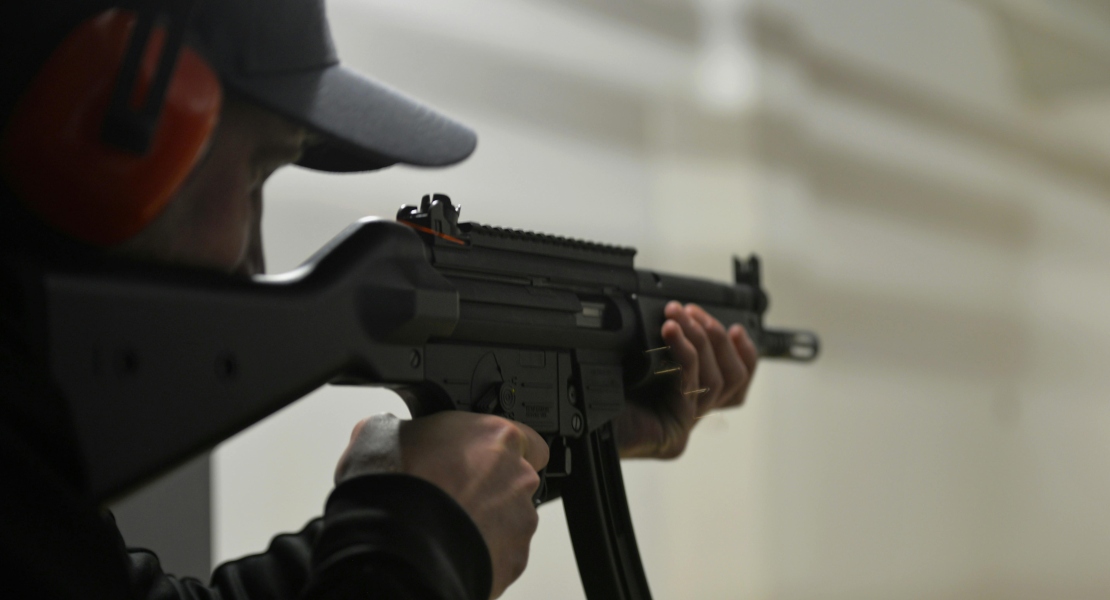
Roller-delayed systems tend to suit shooters who prioritize:
- Smoother cycling feel
- Refined recoil character
- Suppressor-friendly behavior
- Comfort during longer range sessions
Shooters exploring platform upgrades — including discussions around the MP5 super safety — are often already evaluating how roller-delayed systems behave compared with simpler blowback designs.
Ultimately, the real question becomes: Is roller delayed worth it over direct blowback? For some, the smoother impulse justifies added complexity or cost. For others, simplicity remains the deciding factor.
Understanding the Real Difference
When comparing roller delayed vs direct blowback, the difference comes down to how each system manages rearward force and bolt movement. Direct blowback often feels more abrupt because bolt mass and spring resistance play an immediate role in the recoil cycle. Roller-delayed systems reshape that motion through mechanical timing, which many shooters perceive as smoother. Both designs can be reliable and effective. The better choice depends on whether simplicity or recoil character matters more for your intended use.
FAQs
Why does roller-delayed blowback feel smoother than direct blowback?
Roller-delayed blowback feels smoother because it delays bolt opening and spreads recoil over a longer interval.
Does direct blowback have more felt recoil?
Not necessarily more total recoil energy, but it often feels sharper due to the heavier bolt mass moving abruptly during cycling. When shooters ask, does roller delayed blowback reduce felt recoil, the answer depends on setup and perception — many describe it as smoother, though overall recoil energy remains similar.
Is roller-delayed blowback better for suppressed use?
Many shooters find that it handles added backpressure in a more controlled way, though results depend on the specific firearm setup.