



Why is AK Accuracy so Inconsistent Between the Models
AK accuracy varies between models due to differences in factory tolerances, barrel quality, assembly consistency, sight setup, and ammunition. Production standards, receiver type, and minor component variations can all affect shot-to-shot consistency and overall performance.
When people talk about AK rifles, they often assume every model performs the same, but performance can vary a lot between rifles that look nearly identical. Many shooters wonder, “Why is AK accuracy so inconsistent?” and the differences usually come from factory processes, materials, and assembly quality. Visiting a super safety shop can help ensure parts and accessories are high quality and properly installed, keeping your rifle safe and reliable.
What “Accuracy” Means for AK Rifles
Accuracy is often misunderstood when discussing AK rifles because people compare them to completely different platforms. There are two main concepts to keep in mind:
- Mechanical accuracy: How tightly a rifle can group under ideal conditions, typically from a rest with consistent ammo.
- Practical accuracy: What a shooter can realistically achieve in field conditions with standard iron sights.
Group size, shot-to-shot consistency, and sighting methods all matter. Many shooters wonder how accurate an AK-47 is at 100 yards, and understanding this helps set realistic expectations.
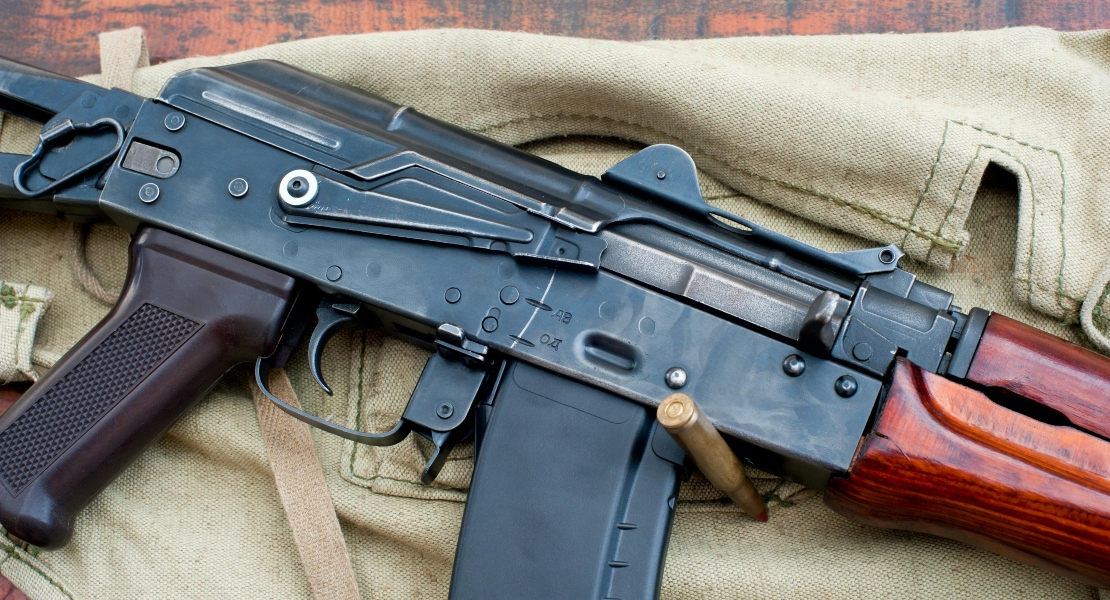
Many comparisons online pit AKs against rifles optimized for precision, such as AR‑15s with the best AR-15 upgrades, which can give tighter groups through upgraded barrels, triggers, and optics. These comparisons can create unrealistic expectations about what an AK is capable of.
By keeping the distinction between mechanical and practical accuracy in mind, shooters can appreciate that an AK may produce slightly larger groups than a heavily upgraded AR‑15, yet still remain reliable, consistent, and effective within its design purpose.
The Biggest Reason: Build Quality and Tolerances
Production variation is one of the main factors behind performance differences between rifles. Many shooters ask, “Why is AK accuracy so inconsistent?” especially when two rifles look nearly identical on the outside.
The platform was originally engineered for reliability in extreme conditions. Slightly looser non‑critical tolerances allow the rifle to keep functioning even with dirt, carbon buildup, or poor maintenance. While locking surfaces remain tight for safety, movement in other areas can reduce shot‑to‑shot consistency.
Manufacturing and assembly quality also play a major role. Small alignment differences in the barrel, trunnion, or sight block can shift impact points. This connects to another question: ” Why does AK accuracy vary by manufacturer”? The answer lies in differences in barrel quality, assembly precision, material tolerances, and factory quality control.
Barrel Differences That Change Results
Barrels are one of the largest accuracy variables.
Factors include:
- Bore uniformity
- Rifling quality
- Straightness
- Heat treatment consistency

Chrome lining helps prevent corrosion and wear. It extends barrel life and keeps reliability high. However, chrome layers are not always perfectly even. On rifles designed for extreme precision, uneven plating thickness can slightly affect consistency.
Even small manufacturing variations inside the bore can change bullet stabilization, which shows up directly in group size.
Receiver and Trunnion Fit
The front trunnion and receiver hold the barrel and absorb firing forces. If that interface is extremely consistent, groups usually shrink. If not, groups spread.
There are also pattern differences:
- Milled receivers can sometimes produce tighter groups
- Stamped receivers are lighter and cheaper, but can be slightly less consistent
This explains the differences often mentioned in milled vs stamped receiver AK accuracy discussions. Some data suggests milled AK‑47 rifles can produce about 3-5 inch groups at 100 yards, while stamped AKM rifles often sit closer to 4-6 inches.
Sights, Sight Radius, and What Most People Miss
Iron sights amplify aiming error. AK rifles usually have:
- Shorter sight radius than many modern rifles
- Thicker front posts
- Rear notches designed for speed, not precision
Two rifles with identical barrels can feel different if sight alignment is easier on one. Even small sight shifts can move and impact several inches at 100 yards. This explains why shooters often ask, “Does sight radius affect AK accuracy?” and why understanding AK sight radius accuracy helps set realistic expectations for practical shooting.
Ammunition Variation Plays a Bigger Role Than Many Expect
Ammo differences can shift group size dramatically. Variables include:
- Powder consistency
- Bullet weight uniformity
- Jacket quality
- Velocity spread
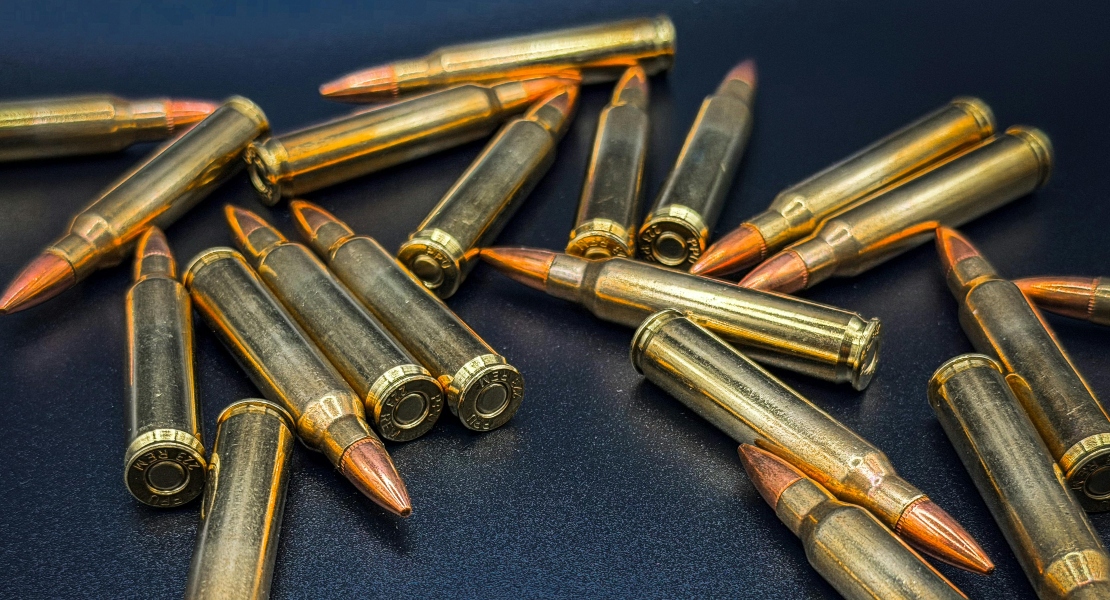
Some testing shows AK rifles shooting around 6.5-inch groups at 100 yards with factory ammo, while better loads reduced that slightly.
Consistency often matters more than raw velocity numbers. Steel‑case ammo is widely used because of cost and reliability, but different brands can vary in consistency.
“AKM,” “AK-47,” and Modern Variants
The names AK‑47 and AKM are often used loosely, which can confuse buyers about what to expect from accuracy and performance. The original AK‑47 featured a milled receiver, while the later AKM adopted a stamped design to reduce weight and production cost. Modern factory rifles may incorporate improved barrels, assembly methods, and materials that can outperform older imports.
Expectations are often shaped by experience with other platforms, like the AR-15 rifle, where modular upgrades, precision barrels, and optics are common. Comparing an AK to an AR‑15 rifle without accounting for these differences can create unrealistic assumptions about group size or point‑of‑impact consistency.
Understanding the design goals of each variant helps shooters set realistic expectations: AK rifles prioritize reliability in harsh conditions, while AR‑15 rifles often emphasize modular precision and customization.
Manufacturer, Origin, and Quality Control
Factory standards differ across countries and time periods. Even within one factory, production runs can vary depending on tooling wear or material supply. Documentation, markings, and factory reputation help predict consistency, but there are always exceptions.
Common Myths That Distort AK Accuracy Discussions
When people talk about AK accuracy online, misinformation and assumptions spread quickly, creating confusion for new and experienced shooters alike.
- AK rifles are never accurate: Many AKs can hold 4-6 MOA with standard ammo. Accuracy varies by build, barrel, and ammo rather than the platform itself, which highlights AKM accuracy differences between models.
- Loose parts always mean poor performance: While the AK’s design allows some movement for reliability, it doesn’t automatically make a rifle inaccurate. Small tolerances and assembly differences matter more than perceived “looseness.”
- One rifle proves the whole platform: Individual examples can mislead. Some rifles outperform others due to barrel quality, receiver fit, or even modern upgrades. Discussions online sometimes mix accuracy talk with aftermarket modifications, including devices like super safety parts, which affect trigger and selector behavior but do not inherently improve shot-to-shot consistency.
By understanding these myths, shooters can focus on factors that truly affect accuracy, rather than being swayed by broad statements or internet comparisons.
Consistency Comes From the Whole Build
So, why is AK accuracy so inconsistent?” Accuracy in AK rifles comes from the combination of several factors working together. Barrel quality, assembly precision, sight alignment, and ammunition consistency all influence where shots land. Even two rifles built to the same model and pattern can perform differently because small production differences accumulate. Understanding these elements helps shooters set realistic expectations and focus on the factors that truly matter, rather than comparing across platforms or relying on anecdotal examples.
FAQs
Why is AK accuracy so inconsistent between models?
Because the platform was designed for reliability across mass production. Differences in barrels, assembly precision, ammo, and factory standards can easily shift results by several MOA.
What matters more for AK accuracy: the rifle or the ammo?
Both matter, but ammo consistency can change groups by multiple inches at 100 yards, even in the same rifle.
How accurate is an AK‑47 at 100 yards?
Many service‑grade examples fall around 4-6 inches at 100 meters (about 4-6 MOA), though higher‑quality rifles or ammo can improve that.