



When Should You Choose Lightweight vs Heavy-Duty Components?
Lightweight firearm parts prioritize speed and easier handling, while heavy-duty components offer better resistance to wear under repeated use. The right choice depends on how often the firearm is used, the conditions it operates in, and whether mobility or long-term durability matters more in practice.
Most shooters already know the basic tradeoff: lighter parts move faster, heavier parts hold up longer. But the real decision is more specific than that. The difference between lightweight vs heavy-duty firearm parts and accessories shows up most clearly under actual use conditions — not in spec sheets.
How Weight Changes the Way a Firearm Handles
Does weight affect firearm performance? Yes, but not always in the ways people expect.
Lighter components reduce the overall mass the shooter has to manage, which makes transitions faster and lowers fatigue during extended sessions. The system responds more immediately to input. This is especially noticeable during rapid or repeated actions where small delays in movement accumulate.
Heavier or reinforced components shift that dynamic. The system feels more planted and consistent under sustained use, but requires slightly more effort to move between positions. Neither response is universally better. The performance differences between lightweight vs heavy-duty firearm parts become most obvious after several hundred rounds, not during a short-range session.
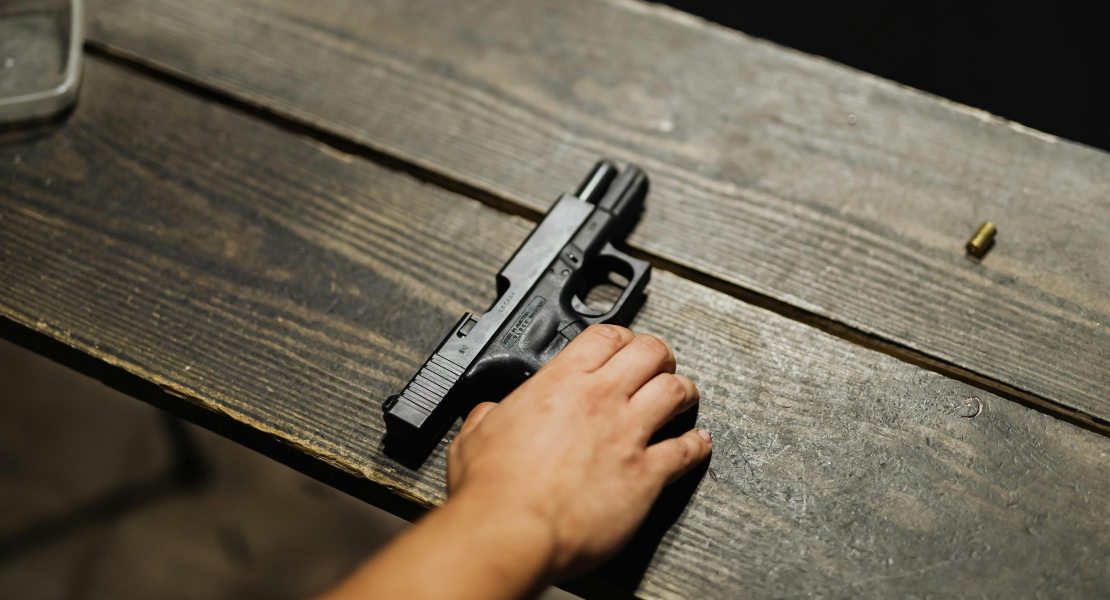
It’s also worth noting that weight alone doesn’t explain everything. How parts interact as a system matters just as much as individual component mass. Even something as specific as small firearm components can shift how the entire setup cycles and responds, which is why evaluating parts in isolation leads to mismatched results.
The Case for Lightweight Components
Are lightweight firearm parts reliable? In most standard-use conditions, yes — provided the materials are of quality, and the firearm isn’t subjected to extremely high round counts under stress.
The pros and cons of lightweight vs heavy-duty parts in this category come down to one core tradeoff: you gain mobility and reduce fatigue, but you accept a shorter service life under heavy use. Aluminum and polymer components, for example, handle normal use well but degrade faster than steel equivalents when cycling volume increases significantly.
Where lightweight builds clearly win:
- Setups carried frequently or used in transitions
- Builds where handling speed is the primary priority
- Lower round-count applications where wear accumulates slowly
For AR-platform builds, the super safety kit for AR-15 platform is a practical example of how component choices in this category affect both handling feel and overall responsiveness — especially when the rest of the build is already optimized for weight reduction.
Do Heavy-Duty Firearm Parts Last Longer?
Under consistent high-volume use, yes — measurably so.
Reinforced components are designed to absorb repeated stress without degrading quickly. Steel and hardened alloy parts maintain tighter tolerances over time, which keeps the system behaving consistently even as round count climbs. The system may feel heavier during transitions, but that added mass often translates to less flex, less wobble, and more predictable cycling under pressure.
The durability of lightweight vs heavy-duty components becomes most apparent in high-volume training environments or any setup that sees regular hard use. A component that feels solid at 500 rounds should still perform the same way at 5,000. That’s where reinforced builds justify their weight penalty.
For roller-delayed and subgun platforms, MP5 super safety components are built with this kind of sustained reliability in mind — prioritizing consistency under repeated cycling over outright weight savings.

Are Lightweight Firearm Parts Less Durable Than Heavy Duty Ones?
Generally, yes — but the gap depends heavily on materials and usage intensity.
Modern lightweight and heavy firearm components aren’t always separated by as much as older designs. Some lightweight parts use aircraft-grade aluminum or reinforced polymer that outperforms older steel designs in specific stress categories. But as a general rule, when choosing between lightweight and heavy-duty firearm parts, the heavier option will tolerate higher round counts and harsher conditions before showing wear.
The honest answer to which is better is that it depends entirely on what the build is used for. A competition shooter prioritizing split times has different needs than someone running high-volume drills on a training rifle.
An AK trigger upgrade, for example, can meaningfully change how consistent input feels during rapid fire. Not because of weight, but because of how the component geometry interacts with the rest of the action. That’s a reminder that performance is always a system-level outcome.
How to Choose Without Overcomplicating It
Lightweight firearm parts vs heavy-duty parts isn’t a question with one right answer. Here’s a straightforward way to decide:
- Choose lightweight if the firearm is carried often, used in fast-paced drills, or the build is already heavier than you want
- Choose heavy-duty if the round count is high, conditions are harsh, or long-term consistency matters more than handling speed
- Mix deliberately — most builds benefit from lightweight where mass doesn’t affect durability, and reinforced components where wear is the real concern
Avoid the two most common mistakes: assuming lighter always means better performance, and adding heavy-duty components your use case doesn’t actually require.
Understanding the Tradeoffs in Real Use
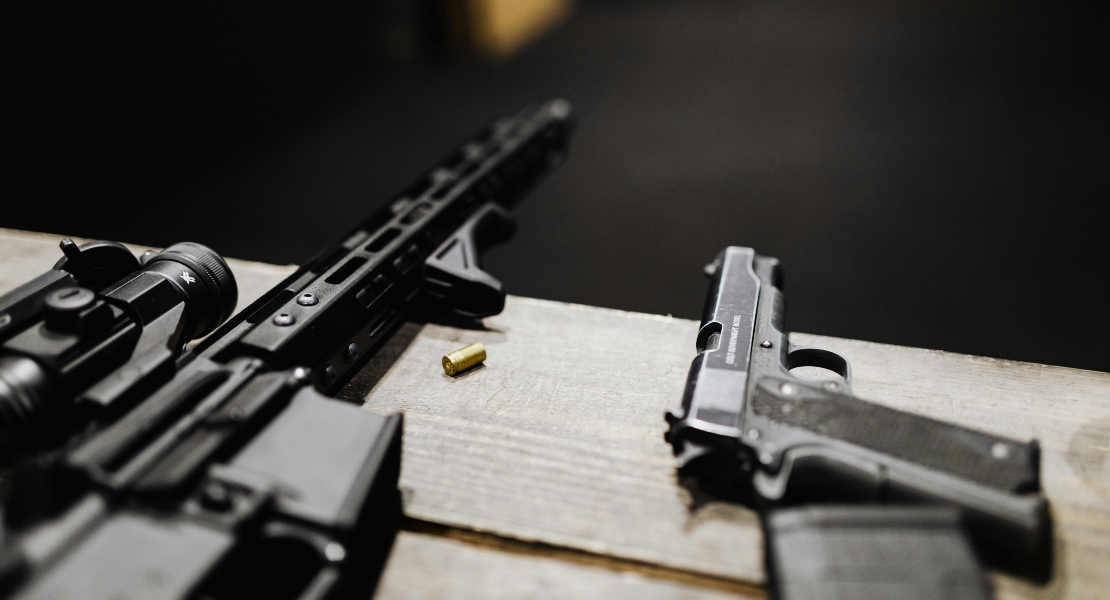
Choosing between different component weights comes down to balancing handling, stability, and long-term durability. There is no single best option, since each setup serves a different purpose. The comparison of lightweight vs heavy-duty firearm parts highlights a consistent tradeoff: lighter setups tend to prioritize speed and easier handling, while heavier configurations focus more on durability and steady performance over time. The best results come from matching the setup to real use conditions.
FAQs
Can you mix lightweight and heavy-duty parts in the same build?
Yes, and most practical builds do exactly that. The goal is to use lightweight components where weight savings don't compromise durability. Use heavier materials where the part absorbs significant stress during cycling.
At what round count do lightweight parts typically show more wear?
It varies by material and design. Lightweight aluminum components often show measurable wear differences compared to steel equivalents after 3,000–5,000 rounds under consistent hard use.
Does a heavier build actually shoot more accurately?
Not directly. Heavier components can reduce felt movement during cycling, which some shooters find improves consistency. However, accuracy is primarily a function of barrel quality, ammunition, and technique rather than component weight alone.