



What Causes Firearm Wear Over Time (And What Doesn’t)
Firearm wear happens because moving parts rub, heat and pressure stress metal, and residue builds in contact areas. Most wear is normal and shows up as light polishing on rails, edges, and other high-contact surfaces. Dry firing, routine handling, and normal loading rarely cause meaningful mechanical wear. Inspect regularly and maintain consistent cleaning and lubrication.
Owning a firearm comes with a responsibility to understand how it functions – and that includes knowing what causes firearm wear. Many owners worry that scratches, polishing, or slight changes in operation mean something is “wrong.” In reality, wear over time is a normal part of any mechanical system. Learning about these patterns through maintenance-focused resources, like super safety shop, helps owners maintain confidence and focus on longevity rather than perfection.
What Firearm Wear Actually Is
Before discussing causes, it helps to define firearm wear. Many owners ask, is firearm wear normal? The answer is yes – wear is the gradual alteration of surfaces and components due to repeated use, not the same as damage, defects, or abuse.
Wear occurs when surfaces interact. For instance, metal slides against metal, springs compress, and finishes experience minor abrasion. These effects are entirely normal and do not indicate a safety problem.
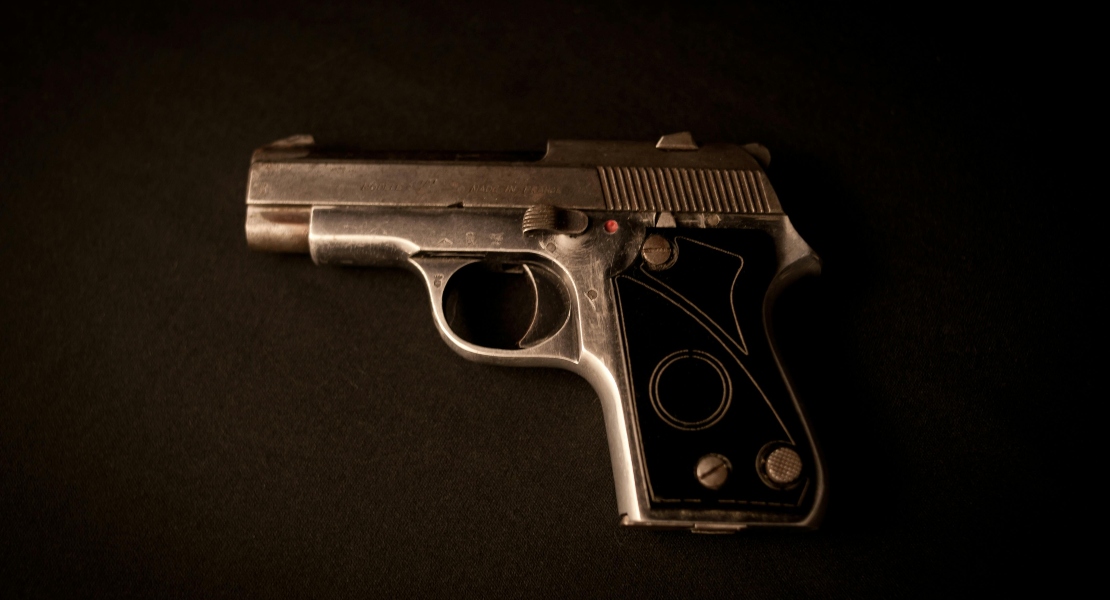
There are two general types of firearm wear: cosmetic and functional. Cosmetic wear includes scratches, finish rubbing, or slight discoloration. Functional wear affects mechanical operation, such as minor rounding of contact surfaces or loosening of parts. Even functional wear is typically predictable and accounted for in firearm design.
Ultimately, firearm wear is universal. No gun remains entirely unchanged with repeated use, and that’s normal – not a sign of neglect.
The Primary Causes of Firearm Wear Over Time
Understanding what causes firearm wear helps separate fact from fiction. The main drivers of firearm wear are tied to normal mechanical and chemical processes:
- Friction between moving parts: Every time a firearm cycles, surfaces slide, rotate, or compress against each other. In semi-automatic platforms such as the AR-15 rifle, repeated contact between the bolt carrier group, barrel extension, and other internal parts gradually alters the surface material.
- Heat and pressure during firing: Each shot generates rapid heat and high pressures that stress metal components. Over time, these forces contribute to predictable wear in areas designed to absorb them.
- Residue and fouling: Powder residue, lubricant, and debris accumulate in mechanical areas. Without regular cleaning, these substances can accelerate contact wear, particularly on sliding parts and contact surfaces.
- Cumulative effects: Wear is not instantaneous. It results from millions of microscopic interactions over repeated use. A single round has little effect, but consistent use gradually leaves its mark.
In our maintenance notes, accelerated wear almost always shows up where friction and heat meet, especially when lubrication runs thin. By recognizing these causes, firearm owners can view wear as a normal outcome of use rather than a sign of malfunction or neglect. Proper knowledge helps reduce unnecessary anxiety and ensures long-term confidence in your firearm’s reliability.
How Shooting Frequency Affects Firearm Wear
A common concern among owners is: Does frequent shooting damage a firearm? The truth is nuanced – shooting alone doesn’t inherently harm it if the firearm is designed for regular use and maintained properly.
Frequency matters less than conditions. Controlled, regular firing allows components to operate within designed tolerances, while rapid, sustained firing generates heat that can slightly accelerate firearm wear over time in certain areas. High-quality firearms are engineered for thousands of rounds, so the main consideration is consistent, thoughtful use rather than hitting arbitrary round counts.

Patterns of use influence how shooting affects firearm wear more than sheer numbers. Regular cleaning, proper lubrication, and following manufacturer guidelines for load types or firing sequences all contribute to predictable, normal firearm wear.
Which Firearm Parts Wear First – And Why
Certain parts of a firearm wear and tear before others, but this is entirely predictable. So, what parts of a firearm wear out first?
- Springs: Compression cycles gradually reduce tension over long periods.
- Contact surfaces: Areas like the slide rails or bolt faces show polishing from repeated motion.
- Stress points: Components designed to transfer force, such as the firing pin assembly or sear surfaces, see gradual smoothing.
In our shop, springs and high-contact surfaces are the first items we recommend checking, because they show changes long before major parts do.
Trigger components also experience predictable wear because of repeated interaction between surfaces. In technical discussions, tools such as a trigger jig are sometimes referenced to illustrate how alignment and contact affect trigger parts over time – without implying that every firearm owner needs to adjust or measure them.
Which firearm parts wear the fastest is intentional, as designers account for how forces travel through the firearm. Knowing where wear appears first helps owners distinguish normal use from irregular or unsafe conditions.
What Doesn’t Cause Significant Firearm Wear
Many common concerns about everyday firearm handling are overstated. A frequent question is whether dry firing causes firearm wear, and in most modern firearms, the answer is no. In day-to-day handling, we see far more cosmetic marks from holsters and storage than true mechanical wear from normal manipulation. These systems are designed to tolerate dry firing without meaningful mechanical stress, making it a normal part of safe handling and function checks.
Cosmetic handling, such as holstering, light contact, or routine manipulation, does not generate the friction or pressure associated with accelerated wear. Properly designed safeties and firing mechanisms are built to handle normal engagement and disengagement without degradation.
Likewise, routine loading and unloading do not cause significant firearm wear. While these actions involve movement, they lack the heat, force, and repeated stress cycles that drive mechanical change. Much of the concern around these actions comes from online myths that exaggerate risk rather than reflect real-world design standards.
When Firearm Wear Becomes a Problem
Many gun owners wonder: Is firearm wear dangerous? While not all is, it’s important to recognize when it could indicate an issue. Functional concerns arise if wear affects operation, such as parts no longer engaging correctly or springs losing tension excessively.
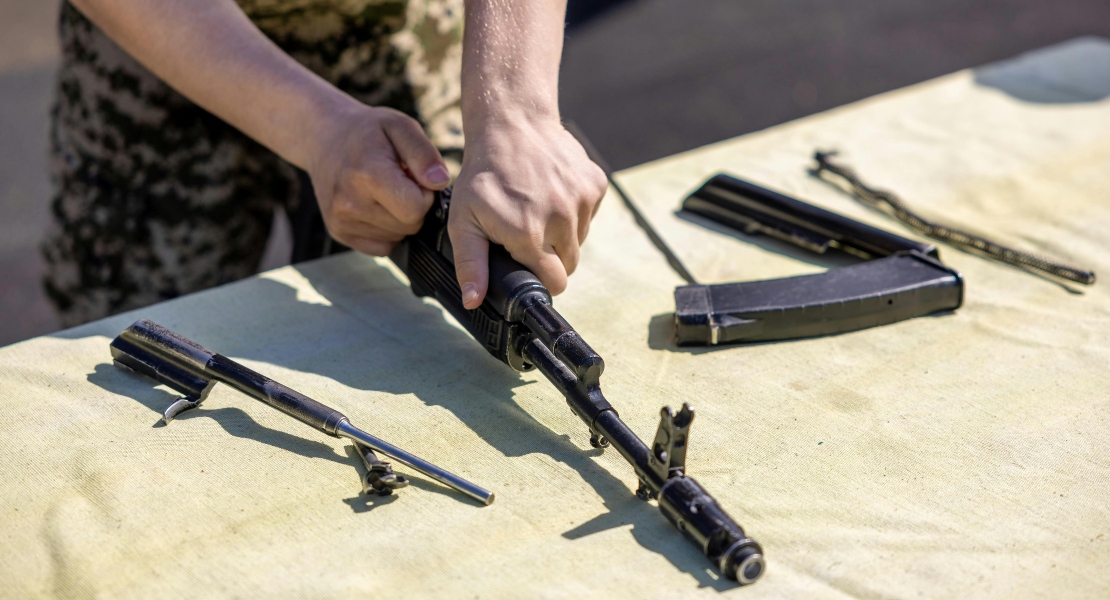
Poor maintenance, improper lubrication, or exposure to harsh environments can accelerate wear beyond what designers anticipate. Regular inspection helps distinguish predictable signs of use from problems that could compromise reliability or safety. The key is understanding context rather than assuming every mark is dangerous.
Can Firearm Wear Be Prevented – Or Only Managed?
This brings us to the next question: Can firearm wear be prevented? Unfortunately, complete prevention is unrealistic. Every mechanical system experiences gradual change, and firearms are no exception. That said, wear can be managed and minimized through informed ownership. Many firearm owners ask how often they should clean their firearms, and understanding the answer is part of maintaining predictable wear rather than eliminating it entirely.
In practice, the firearms that age best are the ones that follow simple, consistent cleaning and lubrication habits instead of occasional deep overhauls.
- Design and materials: Higher-quality metals, precise tolerances, and engineered contact surfaces reduce the speed of wear. Firearms built with durable materials are designed to withstand repeated use while maintaining reliability.
- Reasonable use: Following manufacturer recommendations and avoiding extreme firing sequences preserves components. Knowing when and how to clean your firearm helps prevent both neglect and over-cleaning, each of which can influence wear.
- Maintenance and storage: Proper cleaning, lubrication, and storage protect your firearm from environmental factors like moisture, dirt, and corrosion. While wear cannot be completely stopped, consistent care ensures it remains predictable and harmless.
Longevity is about steady, informed care rather than achieving perfection. Even the best-maintained firearm will show signs of use over time, and that’s normal.
Wear Reflects Use, Not Neglect
Firearm wear is part of mechanical life. Most wear is predictable, harmless, and a natural outcome of repeated operation. Understanding what causes firearm wear can help clear up misunderstandings and reduce any worries. Just because a firearm has visible scratches or marks doesn’t mean it’s been poorly cared for or used unsafely. These signs often show that the owner has interacted with the firearm regularly. By understanding the difference between normal wear and genuine functional concerns, owners can feel more confident, make better choices, and enjoy their firearms for many years.
FAQs
What causes firearm wear over time?
Friction between moving parts, heat and pressure from firing, residue buildup, and cumulative use are the primary causes of firearm wear.
Is firearm wear normal or a sign of damage?
Most wear is normal and predictable. Damage or defects are indicated by irregular function, unusual noises, or parts not operating as intended.
Does frequent shooting damage a firearm?
Not inherently. High-quality firearms are designed for repeated use. Wear depends on usage patterns, maintenance, and adherence to manufacturer guidelines rather than sheer round count.