



What Are the Different Types of AKs?
The AK-47 features a milled receiver and is heavier; the AKM uses a stamped receiver, weighs less, and is cheaper to produce. Both are known for similar reliability in practical use.
The AK is one of the most widely recognized rifles in the world, often mentioned in history books, news reports, and popular culture. What many people don’t realize is that “AK” is not a single model, but a broad group of rifles that share the same basic operating system. Over the past 75+ years, manufacturers in more than 30 countries have produced millions of AK-pattern rifles, each adapted to local needs, materials, and military standards. This has led to many variations that can look similar at first glance but differ in important ways. This firearm super safety guide breaks down the different types of AKs in clear, practical terms. You’ll learn why so many versions exist, how to tell them apart, and what to consider before choosing one.
AK families and why there are so many versions
The AK platform may look straightforward, but its long history and global use have led to many variations that serve different purposes. Small changes in production methods, materials, and military needs explain why different types of AKs share the same name.
Design lineage overview
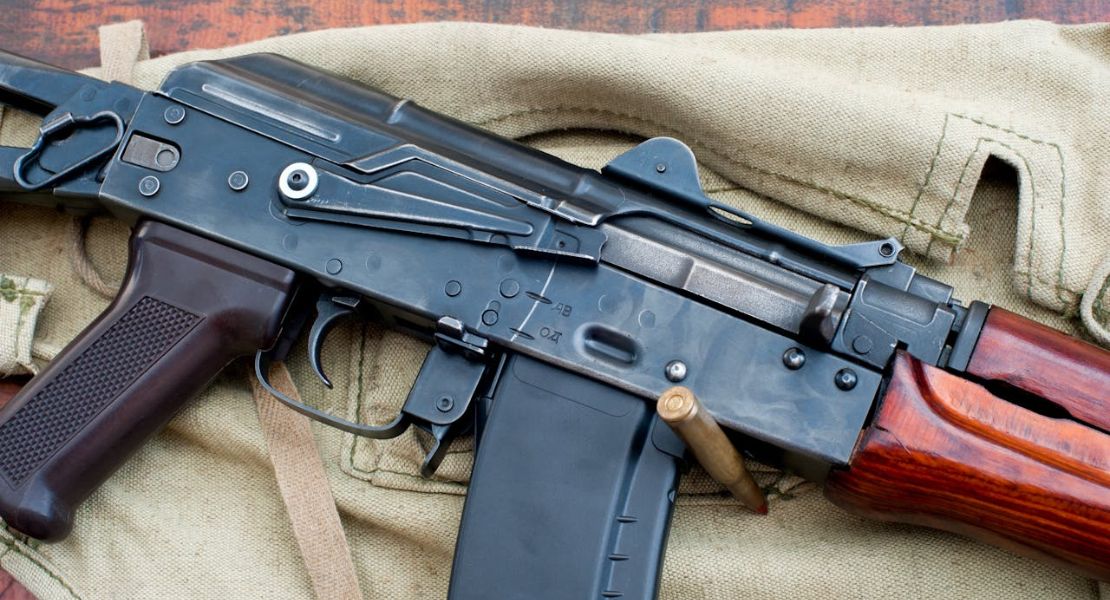
The original AK-47 was designed by Mikhail Kalashnikov and adopted by the Soviet Union in 1949. Early rifles used a milled steel receiver, which made them strong but slow and expensive to manufacture. By 1959, the Soviets introduced the AKM, replacing the milled receiver with a stamped steel receiver. This change reduced the rifle’s weight by roughly 1 kg (2.2 lb) and allowed factories to produce rifles faster and at lower cost. Once this streamlined design proved reliable, it became the foundation for most later AK models.
Why country of origin matters
As the AK design spread beyond the Soviet Union, each country adapted it to local industry and resources. Nations such as Russia, Bulgaria, Romania, China, Poland, and Yugoslavia (modern-day Serbia) produced their own versions. For example:
- Cold hammer forged barrels (common in Bulgarian and Russian rifles) typically last 20,000–30,000 rounds.
- Chrome-lined barrels, adopted widely after the 1950s, resist corrosion from surplus ammunition.
- Yugoslav/Serbian models often lack chrome lining but use thicker 1.5 mm receivers for durability.
The country of origin can affect durability, maintenance, and long-term performance.
Why caliber matters for different types of AKs
AK rifles are built around several calibers, and each one changes how the rifle handles:
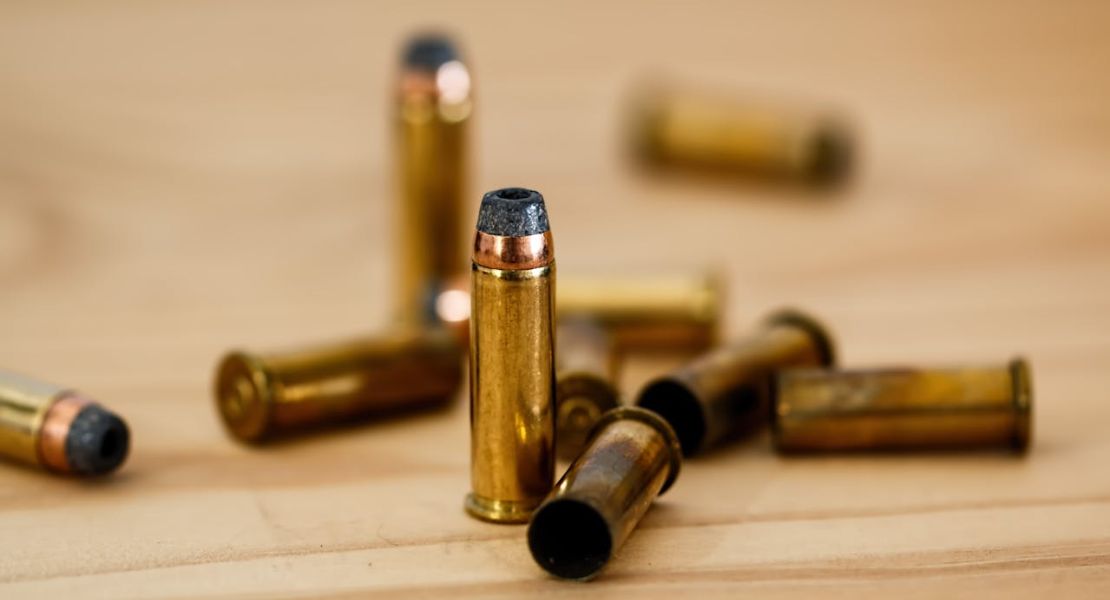
- 7.62×39 mm: heavier recoil, strong penetration, effective within 300 m
- 5.45×39 mm: flatter trajectory, about 30% less recoil
- 5.56×45 mm: NATO standard, wide ammo availability in civilian markets
Choosing a caliber influences recoil, accuracy, and ammunition availability, especially for civilian owners.
Types of AKs by major model family
While all AKs share the same basic operating system, they are grouped into model families based on how they were built and what role they were meant to fill. These families help explain the practical differences you’ll see in weight, handling, and long-term use.
AK-47 pattern basic
The AK-47 pattern refers to the earliest versions of the rifle, built with milled steel receivers. These rifles are heavier, usually weighing around 4.3 kg (9.5 lb) unloaded, and feel solid in the hands. The milled construction reduces flex and gives a smooth shooting feel, but it also increases production time and cost. Original Soviet models are rare and restricted in many countries, though some modern civilian rifles follow this same pattern.
AKM pattern basics
The AKM became the standard version of the AK family starting in 1959. It uses a stamped steel receiver, which reduced the weight to about 3.1 kg (6.8 lb) unloaded and made mass production easier. Most modern 7.62×39 AKs follow the AKM pattern because it balances durability, affordability, and wide parts compatibility. Features like the slanted muzzle brake were added to help control recoil during automatic fire.
RPK pattern basics
The RPK is a heavier, support-oriented variant designed for sustained fire. It features:
- A longer 23-inch barrel
- Thicker receiver (1.5 mm)
- Bipod and reinforced trunnions
RPKs weigh over 4.7 kg (10.4 lb) and are built for sustained fire rather than portability.
AK-74 pattern basics
Introduced in 1974, the AK-74 marked a shift to the 5.45×39 mm caliber. This round produces noticeably less recoil, making the rifle easier to control during rapid fire. The AK-74 also features a distinctive muzzle brake that further reduces movement, improving accuracy at longer distances. In military use, the effective range increased beyond 500 meters, compared to earlier models.
Modern updated variants: what changed
Modern AK variants keep the traditional operating system but update the external features. Many include:
- Side-folding or telescoping stocks
- Optics rails or hinged top covers
- Improved muzzle devices
- Polymer furniture reduces weight by 0.5–0.8 lb
These updates focus on ergonomics and adaptability, making newer AKs more practical for modern shooting needs without changing their core reliability.
How to identify an AK type quickly
At first glance, many AK rifles look almost identical, but a few visible details can help you tell them apart without deep technical knowledge. You can usually identify different types of AKs by checking the following features:
- Receiver construction – Milled receivers have smooth sides with no visible rivets, while stamped receivers show rivets and a folded sheet-metal profile.
- Caliber markings – Most rifles have the caliber stamped near the front trunnion or on the barrel, making this one of the fastest ways to narrow down the model family.
- Muzzle device shape – Large, boxy muzzle brakes are commonly linked to 5.45×39 rifles, while simpler slant brakes are typical on 7.62×39 AKM-style rifles.
- Magazine curve – 7.62×39 magazines have a deeper curve, while 5.45×39 and 5.56×45 magazines appear straighter.
- Stock and furniture style – Fixed wooden stocks, side folders, or modern adjustable stocks can offer clues about the rifle’s production era.
These visual cues solve identification in most cases.

What to check before buying any AK type
Not all AK rifles are built to the same standard, even within the same model family. Before buying, it’s smart to review the following points:
- Receiver thickness and build quality – Most standard AKMs use a 1.0 mm stamped receiver, while some models use 1.5 mm receivers for added strength.
- Barrel quality and lining – Chrome-lined barrels resist corrosion and are easier to maintain, especially when shooting surplus ammunition.
- Rivet work – Rivets should sit flush and tight. Poor rivet installation is a common cause of long-term wear and shifting parts.
- Sight alignment – Front and rear sights should appear straight and centered. Canted sights can affect accuracy and may indicate rushed assembly.
- Headspace and safety function – Proper headspace is critical for safe operation and should be verified by a qualified gunsmith if there’s any doubt.
- Parts compatibility – Rifles that follow common AKM standards make it easier to find magazines, furniture, and replacement parts.
Checking these details helps ensure the AK you choose will be safe, reliable, and easier to maintain and lubricate over time.
Choosing the Right AK for Your Needs
Understanding the different types of AKs helps narrow down the options to a rifle that matches your experience level, intended use, and budget. Although the AK family includes many variations, most civilian owners tend to gravitate toward an AKM-pattern rifle chambered in 7.62×39 because it offers a practical balance of durability, controllable recoil, and readily available parts. Stamped-receiver models are generally lighter and easier to care for, particularly when they feature a chrome-lined barrel that slows corrosion and extends service life. Over time, AKM-based rifles also stand out for their broad compatibility with magazines and replacement components, which can reduce upkeep costs and make upgrades more straightforward.
FAQs
Are all AK magazines interchangeable?
No. Magazines must match the caliber. While most AKM-pattern magazines fit within the same caliber, Yugoslav and 5.56 models may require specific magazines.
Which AK type is best for beginners?
A standard AKM in 7.62×39 is usually the easiest because of affordable ammunition and extensive aftermarket support.
What is the difference between AK and AK-74?
The main difference is the caliber: AKs typically fire 7.62×39, whereas AK-74 rifles fire 5.45×39, which produces less recoil and offers a longer effective range.