



Super Safety vs Forced Reset Trigger — What’s the Difference
The super safety and forced reset trigger both speed up trigger reset in a semi-auto rifle, but the mechanism is what separates them legally and mechanically. The super safety drives reset through the safety selector; the forced reset trigger drives it through bolt carrier contact — and that distinction is the entire reason one has a documented legal history and the other doesn't.
The super safety vs forced reset trigger comparison comes up constantly because both systems can increase firing speed in a semi-automatic rifle. That surface similarity is where the confusion starts — and where it falls apart once you look at what’s actually happening inside the rifle when each one resets the trigger. The super safety uses the safety selector to influence trigger reset, while the forced reset trigger relies on interaction with the bolt carrier during the firing cycle. Those differences affect everything from installation and compatibility to legal treatment.
How Each System Actually Works
Understanding how firearm triggers work makes the super safety vs FRT comparison much easier to follow. Both systems influence trigger reset timing, but they do it through separate parts of the rifle.
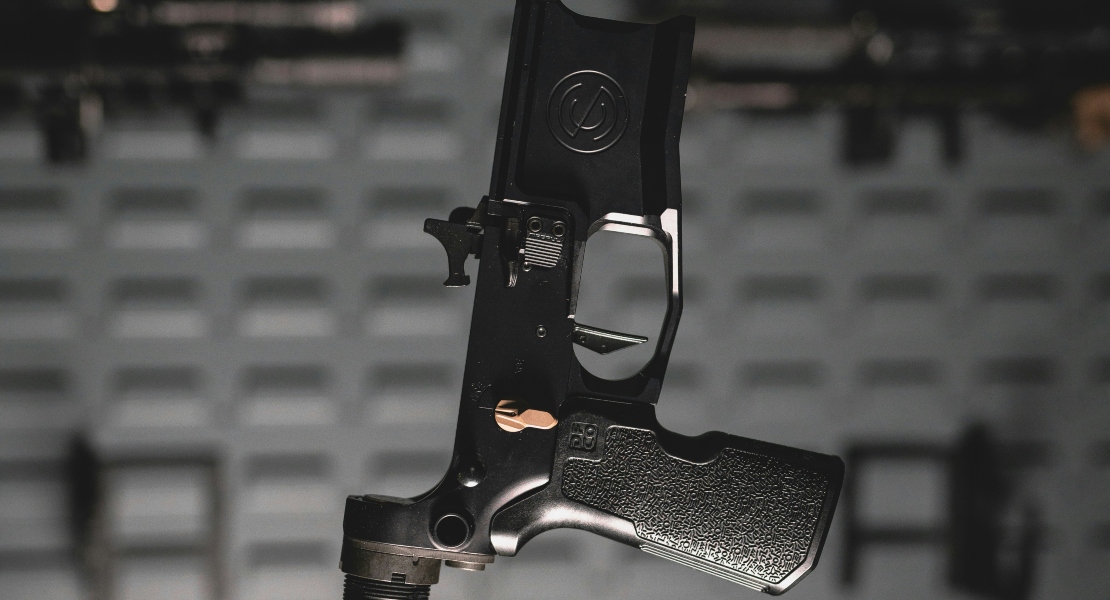
- An AR super safety trigger works through the safety selector itself. When the rifle cycles, the selector interacts with the trigger in a way that forces it forward during reset. This means the shooter maintains forward pressure on the trigger while the system completes the reset cycle. The result is a controlled reset that depends on both the shooter’s input and the selector’s geometry.
- A forced reset trigger (FRT), by contrast, relies on the bolt carrier group. As the bolt carrier moves rearward and then returns forward during cycling, it physically contacts the trigger mechanism and forces it to reset. The shooter still has to maintain pressure on the trigger, but the reset action is driven by the carrier’s motion rather than the selector.
This difference explains why the comparison often breaks down in practice. The super safety modifies how the selector interacts with the trigger. The FRT changes how the cycling action itself interacts with the trigger.
The dilemma between forced reset trigger vs super safety usually appears when someone encounters both terms while researching AR-15 trigger upgrades. Since both are ways to achieve faster cycling behavior in semi-auto platforms, they are often mistaken for variations of the same system rather than two separate mechanical approaches.
What the Legal Difference Comes Down To
The legal discussion around super safety vs FRT systems is often the first thing people look up, especially with forced reset triggers. The key difference is how each device is classified in relation to fire control behavior under federal interpretation.
Forced reset triggers faced significant regulatory scrutiny starting in 2021, when the ATF began treating certain FRT designs as machine gun components under federal law. That changed in 2024 when Garland v Cargill shifted the legal framework of forced reset triggers — the Supreme Court ruling established that a semiautomatic firearm doesn’t become a machine gun simply because it fires quickly, which reframed how courts evaluated FRT cases. A 2025 DOJ settlement with Rare Breed Triggers ended major federal litigation, and the federal government stopped treating covered FRTs as machine guns under the disputed classification, though state-level restrictions may still apply.
The super safety has never been part of that enforcement history because it relies on the selector rather than the bolt carrier to influence trigger reset — the mechanism that drove the FRT classification dispute doesn’t apply to how the super safety functions.
In short, the super safety and forced reset trigger difference comes down to the mechanism. One interacts with the bolt carrier during cycling and has a documented legal history because of it. The other modifies selector-based reset behavior and has never been subject to that same scrutiny.
Which One Is Right for Your Build
Choosing between super safety vs forced reset trigger depends on what you want from your rifle setup. It also depends on how you weigh legal stability and mechanical behavior.
- The super safety is what builders who want a controlled trigger reset driven by the selector typically choose. It can offer a predictable feel and may require a super safety trigger cut depending on compatibility with specific AR-15 fire control group setups.
- The forced reset trigger appeals to users focused on faster cycling behavior. It uses the bolt carrier’s movement to force the reset during operation. Availability and legal clarity around these systems have changed in recent years. That can affect sourcing and long-term use.
If your priority is consistency and reduced legal uncertainty, the super safety is usually the more stable option. If your focus is purely on mechanical behavior and you are aware of the regulatory context, the FRT is a different type of system rather than a direct upgrade path.
Different Systems, Different Decisions
The super safety vs forced reset trigger comparison ultimately comes down to two very different mechanical designs. While both influence trigger reset and can affect firing speed, the super safety relies on the selector, whereas the FRT uses interaction with the bolt carrier during the firing cycle. Rather than viewing them as interchangeable upgrades, builders should consider how each system operates and which approach best fits their intended setup.
FAQs
What is the difference between super safety and a forced reset trigger?
The super safety uses the safety selector to manage trigger reset, while a forced reset trigger uses the bolt carrier’s movement to physically push the trigger forward after each shot. The key difference is selector-driven reset versus carrier-driven reset.
Does the super safety work like a forced reset trigger?
No. They achieve faster cycling behavior in different ways. The super safety depends on selector geometry, while the forced reset trigger depends on bolt carrier contact during cycling.
Which is better — super safety or FRT?
It depends on your goal. The super safety offers a more controlled, selector-based reset system. The forced reset trigger focuses on carrier-driven reset behavior, but its availability and legal clarity have changed over time, which affects long-term use considerations.
Is a forced reset trigger legal?
Federally, yes, for most covered designs — a 2025 DOJ settlement ended major enforcement litigation, and the federal government stopped treating them as machine guns under the disputed classification. State laws vary, and some states still restrict or prohibit FRTs regardless of the federal settlement, so checking your state's current rules matters more than the federal picture alone.