



Rifle Break-In Periods: Real Science vs Internet Myths
Rifle break-in periods involve specific firing and cleaning routines intended to smooth internal barrel surfaces and stabilize fouling patterns. Whether break-in matters depends on barrel quality, manufacturing method, and application. Many online claims go beyond what mechanical evidence and controlled testing actually support.
New rifle owners quickly encounter conflicting advice about the rifle break-in period. Some shooters insist on strict shoot-and-clean cycles after every round. Others argue modern rifles need no break-in at all. Online discussions often mix tradition, marketing language, and anecdotal experience. Precision shooters tend to treat early barrel use more seriously than recreational owners, while manufacturers rarely provide detailed explanations. This article evaluates what break-in is mechanically supposed to accomplish, how modern barrel production affects the debate, and where internet myths overreach real engineering evidence.
What a Rifle Break-In Period Is Supposed to Accomplish
The theory behind a rifle break-in period focuses on microscopic surface conditioning inside the bore. Break-in is intended to:
- Smooth minor machining marks left from rifling
- Reduce early copper fouling accumulation
- Stabilize internal bore texture
- Promote consistent bullet travel

The process does not harden steel or alter barrel metallurgy. It does not strengthen rifling. It simply attempts to condition the surface during early firing cycles.
The concept of a structured barrel break-in procedure comes from older production eras when interior finishing was less refined. Today, much of what circulates online about dramatic transformation falls under common firearm myths rather than measurable mechanical change.
How Modern Barrel Manufacturing Affects Break-In Needs
Barrel production methods significantly affect the discussion. The three primary rifling methods include:
- Button-rifled barrels – formed by pushing a carbide button through the bore
- Hammer-forged barrels – shaped by compressing steel around a mandrel
- Cut-rifled barrels – grooves created gradually with a single-point cutter
Many premium barrels are hand-lapped before leaving the factory. Hand-lapping acts as factory-level rifle barrel conditioning, smoothing internal surfaces before the shooter ever fires a round.
Because of modern CNC precision and finishing processes, surface roughness today is far lower than decades ago. That directly impacts the question: does a new rifle need a break-in period? For many contemporary rifles, the mechanical necessity is reduced.
Does Break-In Improve Accuracy?
Shooters often ask: Does breaking in a rifle improve accuracy? Initial group tightening sometimes occurs after the first 20-50 rounds. However, several overlapping factors influence this:
- Fouling layers becoming consistent
- Thermal cycling stabilizing metal expansion
- Shooter familiarity improving trigger control
- Optics and mounting settling under recoil
When people ask, is rifle break-in necessary for accuracy, the honest answer depends on expectations. Most observed improvements come from stable fouling patterns rather than dramatic bore transformation.
Another common question is: How many rounds does it take to break in a rifle? There is no universal number. Some barrels settle quickly within 15 rounds. Others may show minor stabilization over 50-100 rounds. For most shooters, gains are incremental, not revolutionary.
The Most Common Break-In Methods Explained
There are several commonly recommended approaches to how to properly break in a rifle barrel:
- Single-shot clean cycles – Fire one round. Clean completely. Repeat 5-10 times.
- Three-shot cleaning cycles – Fire three rounds. Clean. Repeat several times.
- Progressive round-count cycles – Begin with single shots, then move to three-shot and five-shot strings.
- No formal break-in – Simply shoot normally and clean after a standard session.
Each method claims to manage early fouling and surface smoothing. None is universally required.
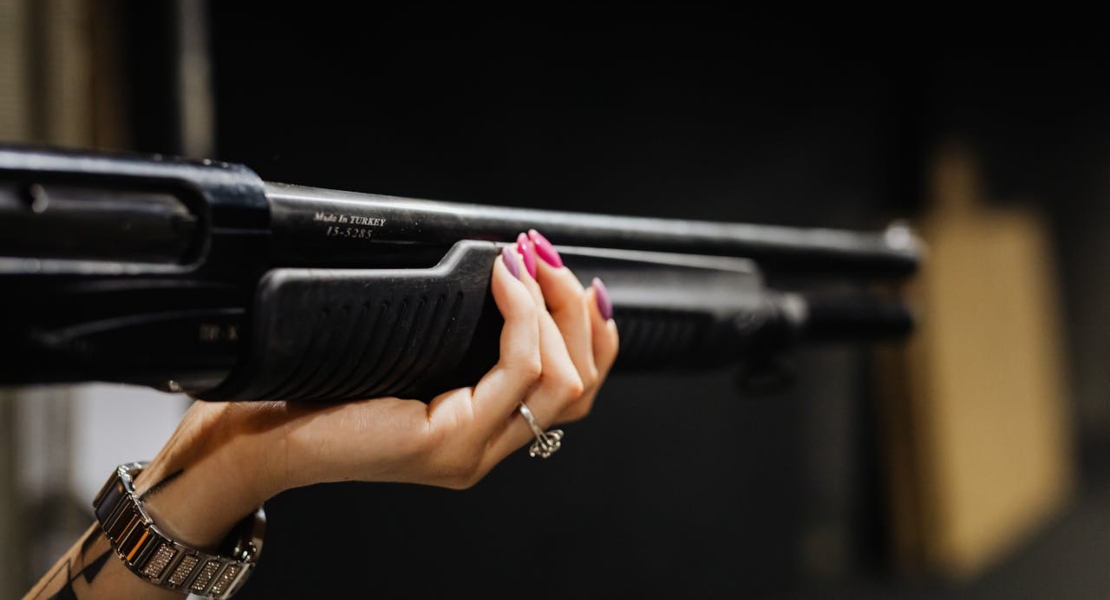
What Evidence and Testing Actually Show
Controlled data on break-in remains limited. Large-scale laboratory comparisons are rare. We do understand copper fouling mechanics under pressure. Bullets deposit copper along lands and grooves. During early firing, natural burnishing occurs through friction and heat alone.
Evidence supports modest fouling stabilization over early round counts. However, dramatic accuracy increases are not consistently documented.
The bigger mechanical reality is barrel wear. Every round contributes heat and throat erosion. Excessive cleaning, harsh solvents, and improper rods often introduce more risk than skipping ritualized break-in. That directly addresses the concern: can you damage a rifle by skipping break-in? In most modern barrels, damage from over-cleaning is more likely than damage from omission.
When Break-In May Make Sense
There are cases where a structured rifle break-in period can be reasonable:
- Precision competition rifles
- Custom cut-rifled barrels with tight tolerances
- During detailed load development
- High-expectation accuracy builds
In these contexts, shooters want controlled data and repeatable fouling behavior. They may also be evaluating broader system consistency, especially in rifles configured with components like a firearm super safety, where disciplined testing procedures matter for the overall platform.
In such specialized builds, asking if rifles need a break-in becomes application-specific rather than philosophical.
When Break-In Is Likely Unnecessary
For many rifles, break-in offers minimal benefit:
- Chrome-lined barrels
- Cold hammer forged duty rifles
- General recreational hunting rifles
- Defensive carbines
For typical range or field use, the practical answer to whether a new rifle needs a break-in period is often no. Modern machining has already minimized internal irregularities.
Can Skipping Break-In Cause Damage?
Skipping a formal rifle break-in period does not inherently cause mechanical harm. The more realistic risks involve:
- Aggressive brushing that damages rifling edges
- Improper rod alignment harming the crown
- Overuse of strong copper solvents
- Cleaning far beyond what the barrel requires
Excessive early cleaning increases risk. A careful super safety install or any component installation should be done correctly, but that process is unrelated to bore conditioning.
Understanding how often you should clean your firearms is far more important than rigid adherence to early-round rituals.
A Practical Approach for New Rifle Owners
If you are evaluating whether a rifle break-in period is necessary, take a balanced approach:
- Follow manufacturer recommendations first
- Avoid excessive early cleaning
- Use quality ammunition
- Observe fouling behavior over the first sessions
- Track group consistency before changing routines
Rather than obsessing over internet arguments about whether rifle break-in is necessary for accuracy, focus on safe handling, disciplined shooting, and mechanical understanding.
Separating Engineering Reality From Internet Ritual
The rifle break-in period originated in an era of rougher machining and inconsistent finishing. Modern barrel production has significantly reduced the need for aggressive conditioning. Some precision builds may benefit from structured early use, but most general-purpose rifles will perform reliably without elaborate procedures. Many online claims exaggerate universal necessity. When shooters understand how surface burnishing, fouling stabilization, and barrel wear actually function, they can make informed decisions instead of following internet ritual. In most cases, a rifle break-in period is situational practice, not mechanical doctrine.
FAQs
What is a rifle break-in period?
A rifle break-in period refers to early firing and cleaning cycles intended to stabilize barrel surface conditions and manage initial copper fouling.
Do rifles really need a break-in period?
Some precision barrels may benefit from controlled early use, but many modern production rifles function properly without formal break-in routines.
Does breaking in a rifle improve accuracy?
Improvements are often minor and may relate more to fouling stabilization and shooter consistency than permanent barrel surface changes.
Can skipping the break-in damage a rifle?
Skipping break-in rarely causes damage. Improper cleaning practices pose a greater risk than omitting structured break-in cycles.