



Pre-Range Firearm Inspection – 6 Things to Check Before You Shoot
A pre range firearm inspection helps prevent malfunctions, improve safety, and support reliable performance. Checking the chamber, barrel, action, magazine, and ammunition before shooting helps catch issues early and builds safer habits every time you head to the range.
Every shooting session should start with a careful pre range firearm inspection, since even well-maintained firearms can develop issues between uses. Transport, storage, and previous firing all affect how a firearm performs. A quick check before the range helps you spot problems early and avoid unnecessary risks. Along with inspection, reliable components also play a role in performance. If you’re considering upgrades, options like Firearm Super Safety offer active reset systems designed to improve control and consistency. When combined with proper maintenance and routine checks, these components support a more stable and predictable shooting experience.
1. Always Confirm the Firearm Is Unloaded
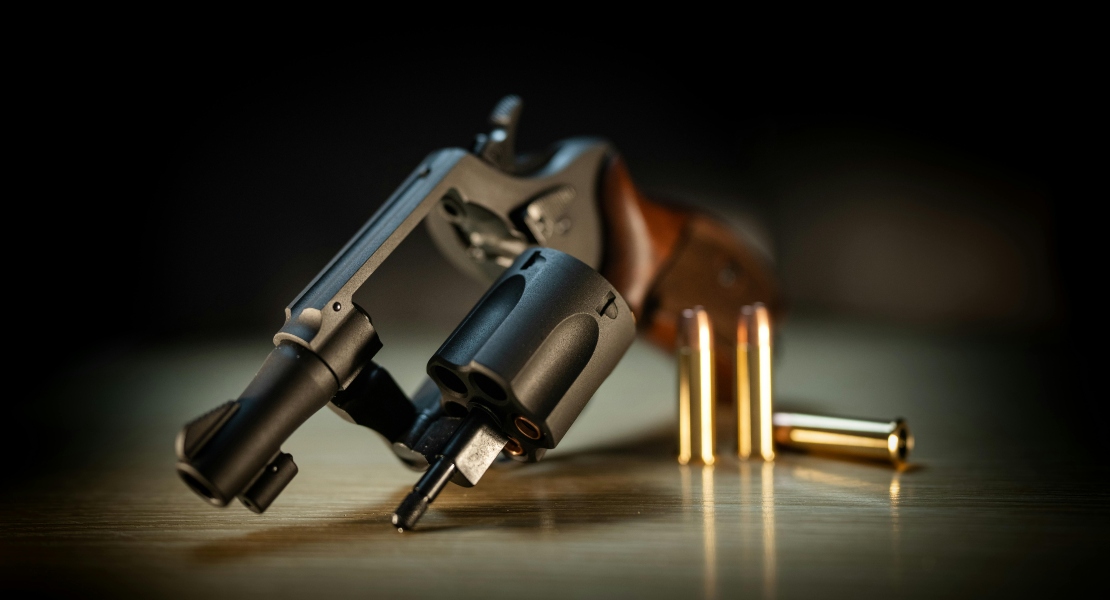
The first step in pre range firearm inspection is to verify the firearm is unloaded before any inspection. Never assume it is safe based on memory. Start by removing the magazine, then lock the action open. Visually inspect the chamber for any rounds. After that, perform a physical check using your finger.
Always point the firearm in a safe direction during this process. This step prevents accidental discharge, which is one of the most common safety risks when handling firearms. Consistent habits prevent accidental discharges, so make this step automatic every time you handle a firearm.
2. Check the Barrel for Obstructions
A clean barrel ensures safe firing and proper accuracy. A small piece of debris in the barrel may seem minor, but it can affect pressure and turn a routine range session into a safety problem.
Use a light to inspect the bore. Look for dirt, debris, or leftover residue. If needed, clean the barrel before use. Obstructions increase internal pressure during firing and, consequently, they can damage the firearm or cause injury. When checking a firearm before shooting, never skip checking the barrel. It directly impacts both safety and performance.
It’s also important to understand that not all risks are obvious or widely understood. Many issues arise due to misconceptions, so reviewing common firearm myths can help you avoid mistakes.
3. Test the Action and Moving Parts
The action must move smoothly for reliable operation. Any resistance or uneven movement often points to dirt buildup or poor lubrication.
Cycle the bolt or slide without ammunition and pay attention to unusual friction or grinding. These signs often indicate the presence of dirt or poor lubrication. Apply proper lubrication if needed. However, avoid over-lubricating, as it can attract debris. Also, maintain safe handling during these checks while following gun range etiquette. At the end, smooth operation ensures your firearm cycles correctly during use.
4. Inspect the Magazine Condition
It’s important to note that magazines play a critical role in feeding ammunition. Feeding issues at the range often trace back to a worn or dirty magazine.
Check for cracks, dents, or deformation. Then, test the spring tension and follower movement. Ensure the magazine fits securely in the firearm. Keep magazines clean and free from debris, as dirt buildup can affect feeding reliability.
This step is very important in any range safety firearm check. Reliable magazines support consistent performance.
5. Examine Ammunition Carefully
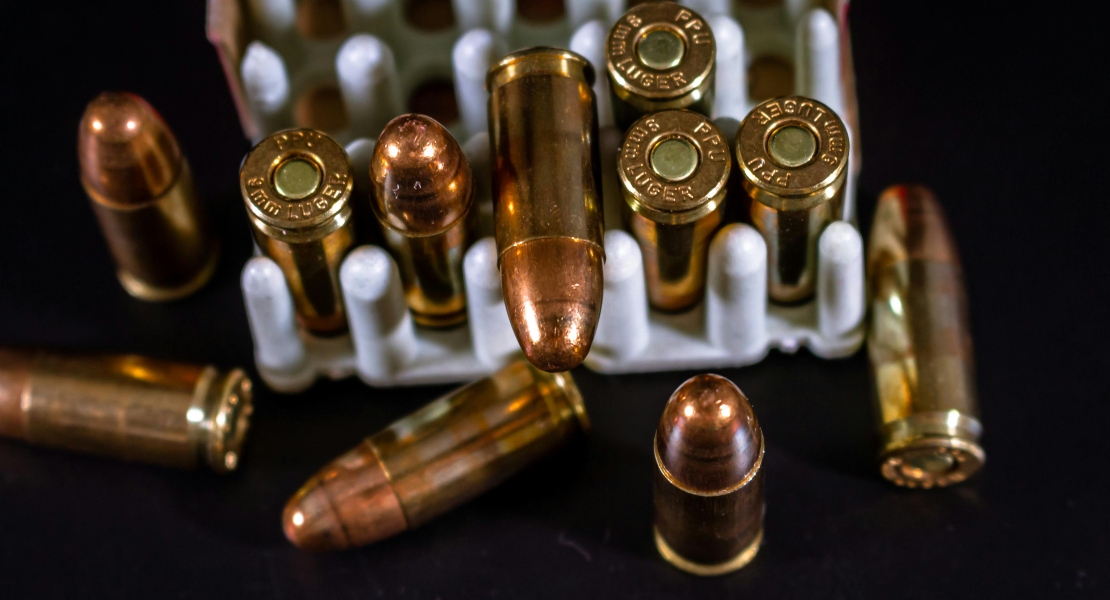
Ammunition condition directly affects safety and function. The first thing is to verify you are using the correct caliber. Also, inspect each round for dents, gun corrosion, or defects. Never use damaged cartridges and don’t mix different ammunition types.
Good storage, whether it’s a hard case or a soft case for guns, plays a vital role. Proper storage helps maintain ammo quality, so if rounds appear discolored, discard them safely. This step answers what to check before shooting a firearm in a practical way.
6. Check Sights and Attachments
Accurate shooting depends on stable sights and accessories, as even slightly loose components can affect performance. Start by inspecting optic mounts and screws to ensure they’re properly tightened. Also, confirm that your iron sights are correctly aligned. Check any attached accessories for stability and make quick adjustments if necessary—small shifts can have a noticeable impact on accuracy.
This is especially important if your firearm includes upgraded components or modified trigger systems. If you use the super safety kit for AR-15 platform setups, take extra care to confirm proper installation and function. Well-engineered upgrades can enhance consistency and performance, but they also require careful verification to ensure safe and reliable operation.
7. Perform a Final Pre Range Firearm Inspection Check
A final inspection ensures everything is ready for safe use. This step ties together your entire pre range firearm inspection routine.
Follow this simple checklist:
- Verify all components are secure
- Ensure smooth operation of controls
- Confirm no loose parts remain
- Double-check safety mechanisms
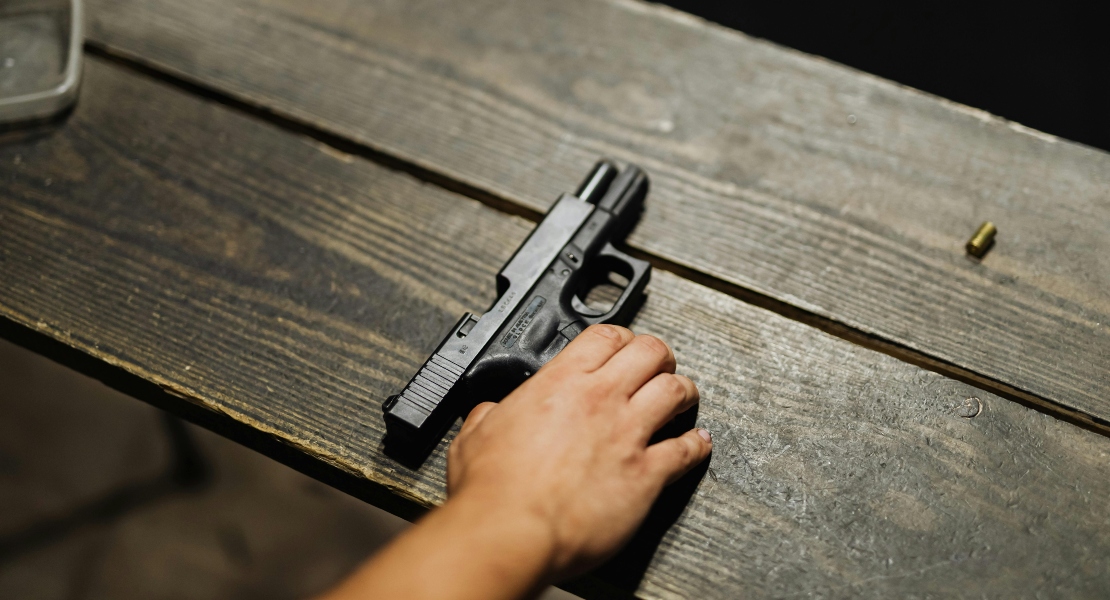
It’s essential to stay mindful of safe firearm practices during all steps. Maintaining proper trigger discipline throughout is critical, ensuring that safety is never compromised while making adjustments.
Small Checks Make a Big Difference
A pre range firearm inspection helps you identify issues before they become serious. By checking the chamber, barrel, action, and ammunition, you improve both safety and reliability. Skipping even one step can affect both safety and performance at the range. Making it a habit to inspect a gun before going to the range helps you catch issues early. This saves time and avoids frustration. In the end, careful preparation leads to safer and more controlled shooting experiences.
FAQ
What should you check before shooting a firearm?
Check the chamber, barrel, action, magazine, ammunition, and overall condition.
How do you inspect a gun before using it?
Follow a step-by-step process, including unloading, visual checks, and function testing.
Why is a pre range firearm inspection important?
It prevents malfunctions, improves safety, and ensures reliable firearm performance.
What are common firearm safety checks?
Common checks include verifying the firearm is unloaded, inspecting the barrel, and testing moving parts.