



MP5K Host Compatibility
MP5K host compatibility depends on denial block geometry, ejector lever fitment, and selector hole alignment, variables that matter more on the K than on full-size hosts because the shorter receiver amplifies the consequences of dimensional variance. MP5K host compatibility isn't a binary yes or no but a spectrum from minimal fitting to significant fitting required, and knowing where a specific host sits before purchasing is what matters.
Builders who choose an MP5K host based on price and availability rather than documented compatibility patterns discover the fitting requirements after the purchase. Before deciding on the firearm super safety components for a K build, understanding which hosts require the most work saves significant troubleshooting time. The K’s shorter receiver amplifies dimensional variance in ways that make host selection more consequential than on the full-size. The same variance that’s manageable on a full-size host can require significant fitting work on a K host.
Why MP5K Host Compatibility Is More Variable Than Full-Size
The shorter receiver is why K host compatibility requires more individual evaluation than full-size host compatibility. On the full-size, denial block variance between hosts is a known issue but manageable within a predictable range. On the K, that same variance is amplified because the slip trip has less travel distance to clear the denial block cleanly. Small dimensional differences that a full-size build absorbs without fitting work become fitting requirements on a K build.
Host documentation from full-size builds doesn’t transfer to K builds for exactly this reason. A host that runs cleanly on a full-size super safety setup needs its own evaluation before assuming K compatibility.
One of the main differences between MP5K vs full-size MP5 is that ejector lever fitment issues also surface faster on K builds. The shorter receiver concentrates cycling stress differently than the full-size, which means wobble that develops gradually over round count on a full-size host appears sooner on a K host at equivalent round counts. Selector hole alignment follows the same pattern. The cam has a shorter travel path, which makes misalignment more consequential. Dimensional variance that’s manageable on a full-size host becomes a fitting requirement on a K host. The shorter receiver leaves less room for tolerance.
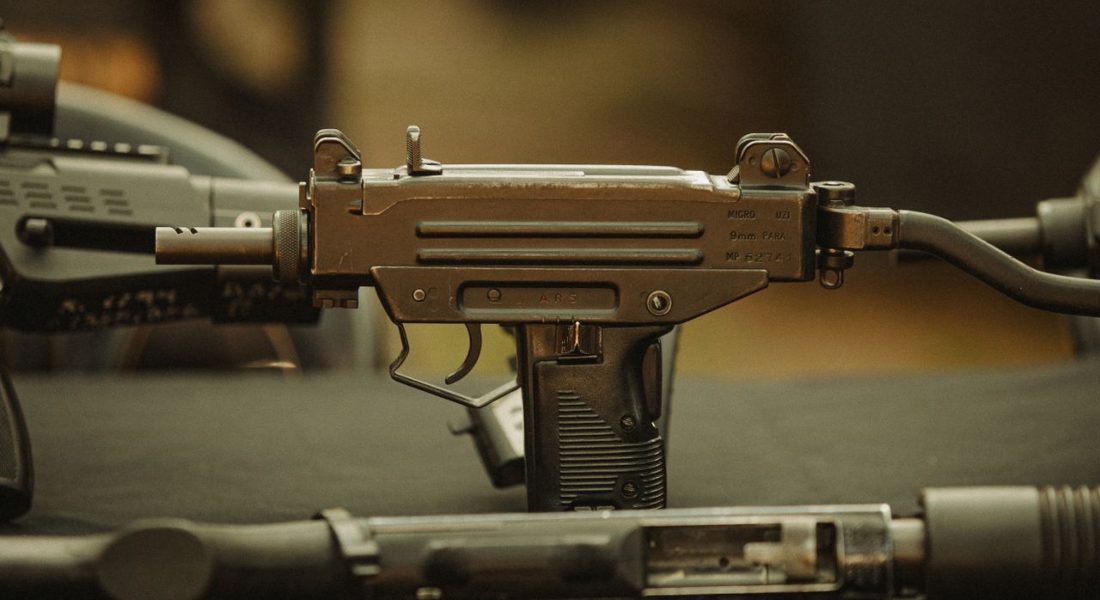
What MP5K Hosts Work With Super Safety
No MP5K host is guaranteed drop-in compatible with the super safety. Every K build should be approached as a fit-to-host process, and the amount of fitting work required varies significantly between hosts. The most popular K hosts are documented precisely because they’ve been through the fitting process most often — that documentation is what makes them the lower-risk starting points.
The AP5-K is the most commonly documented K host for super safety compatibility. Slip trip fitting work due to denial block geometry is a consistent pattern on AP5-K builds — expected rather than surprising, and manageable within a predictable range.
Other K hosts vary more widely in their fitting requirements. Some run closer to the AP5-K’s documented pattern. Others require more individual evaluation before the first live fire session.
Denial Block: The Most Critical K Host Variable
The denial block is the component that most directly affects MP5K host compatibility and the one that varies most between hosts and production batches. On K builds, denial block clearance determines whether the slip trip passes cleanly through its travel path or contacts the block and produces binding, override, or partial cycling.
The MAC5K is the clearest documented example of denial block variance creating a host-specific compatibility challenge. MAC5K receivers are documented as consistently out of spec on denial block dimensions: fitting work is mandatory, not optional. Builders who purchase a MAC5K expecting drop-in compatibility with the super safety consistently discover this at the bench rather than in the research phase.
Therefore, visual inspection of the denial block area and a dry-cycle check with the slip trip installed confirms whether clearance is adequate before live fire testing begins.
Ejector Lever and Selector Hole Alignment
Denial block geometry isn’t the only K-specific compatibility variable. As with the MP5 lower, ejector lever fitment and selector hole alignment both affect how the super safety functions in K builds, and both vary between hosts in ways that matter more on the K than the full-size.
- Ejector lever wobble that develops gradually on full-size builds can appear faster on K builds because the shorter receiver concentrates cycling stress differently. Zero lateral wobble with free vertical movement is the standard — any side-to-side play means the FCG housing needs checking before the build goes to the range.
- Selector hole alignment affects cam travel in the K’s shorter receiver more than it does on the full-size. A misalignment that produces minor cam drag on a full-size build can produce binding or incomplete travel on a K build where the cam has less distance to correct for the misalignment. Selector hole alignment is worth checking visually and tactilely during dry cycling before any live fire session.
Pre-Purchase Checks and Fitting Expectations
Three checks are worth running before committing to a K host. None of them require the host to be in hand. All three can be done through research before purchase:
- First, check denial block clearance documentation for the specific host. Builder forums, manufacturer documentation, and host-specific compatibility records for the super safety are the right sources. If documented patterns show consistent fitting requirements, those are expected and manageable. If documentation is absent, the fitting requirements are unknown — which is a different kind of risk.
- Second, check ejector lever stability records for the specific host. Some hosts have documented FCG housing flex issues that produce ejector lever wobble faster than others. Knowing this before purchase allows for informed decisions about inspection intervals and potential housing reinforcement.
- Third, check selector hole alignment for the specific host. This is harder to research pre-purchase, but manufacturer documentation and builder experience records sometimes cover it. Some fitting work on a K build is expected and normal. The goal of pre-purchase research is to know how much, not whether.
A K host with documented compatibility history requires less fitting work than one without. That’s why documentation matters more than price on a K build. The MP5K super safety kit packages the K-specific components together, and the MP5 slip trip is the component most likely to require host-specific fitting work on any K build.

Know the Host Before You Build
MP5K host compatibility comes down to denial block geometry, ejector lever fitment, and selector hole alignment. All three matter more on the K than on the full-size because the shorter receiver leaves less room for dimensional variance. Research the specific host’s documented compatibility pattern before purchasing, approach every K build as a fit-to-host process, and treat fitting work as an expected part of the build rather than a sign something went wrong.
FAQs
What MP5K hosts work with super safety?
The AP5-K is the most documented K host for super safety compatibility — slip trip fitting work due to denial block geometry is a consistent and expected pattern. MAC5K requires more fitting work, with denial block dimensions documented as consistently out of spec. Other K hosts vary — documented compatibility history is the most reliable guide before purchasing.
Does MAC5K work with super safety?
Yes, but fitting work is essentially mandatory. MAC5K denial block dimensions are documented as consistently out of spec by a margin that makes slip trip fitting a required step rather than an optional one. Builders who know this going in treat it as part of the process — builders who don't discover it at the bench.
How much fitting does MP5K super safety require?
Some fitting is normal and expected on every K build — the amount depends on the host. AP5-K builds typically require slip trip fitting work for denial block clearance. MAC5K builds require more. Hosts with documented compatibility history give builders a realistic expectation before the first bench session.
What should I check before buying an MP5K host?
Three checks before committing: denial block clearance documentation for the specific host, ejector lever stability records, and selector hole alignment history. All three are researchable before purchase through builder documentation and manufacturer records. A host with documented compatibility history is worth more than a lower price on an undocumented one.