



MP5 Basics: What It’s Called, Why People Love It, What Sets It Apart
MP5 basics describe a 9×19mm submachine gun using a roller-delayed blowback system. It delivers consistent recoil control, accuracy, and reliability in close-range operations, making proper understanding important for safe handling, training efficiency, and correct platform selection.
Precision, reliability, and legacy define the MP5. As a compact submachine gun trusted worldwide, it remains unmatched in handling and accuracy. The foundations of MP5 basics explain how a German innovation became a global standard in tactical weaponry. Understanding firearm super safety means appreciating both its engineering and its lasting influence. Every feature reflects thoughtful design and a balance between control and performance. Its story also shows how one platform can shape doctrine, training standards, and expectations for close-range precision across generations.
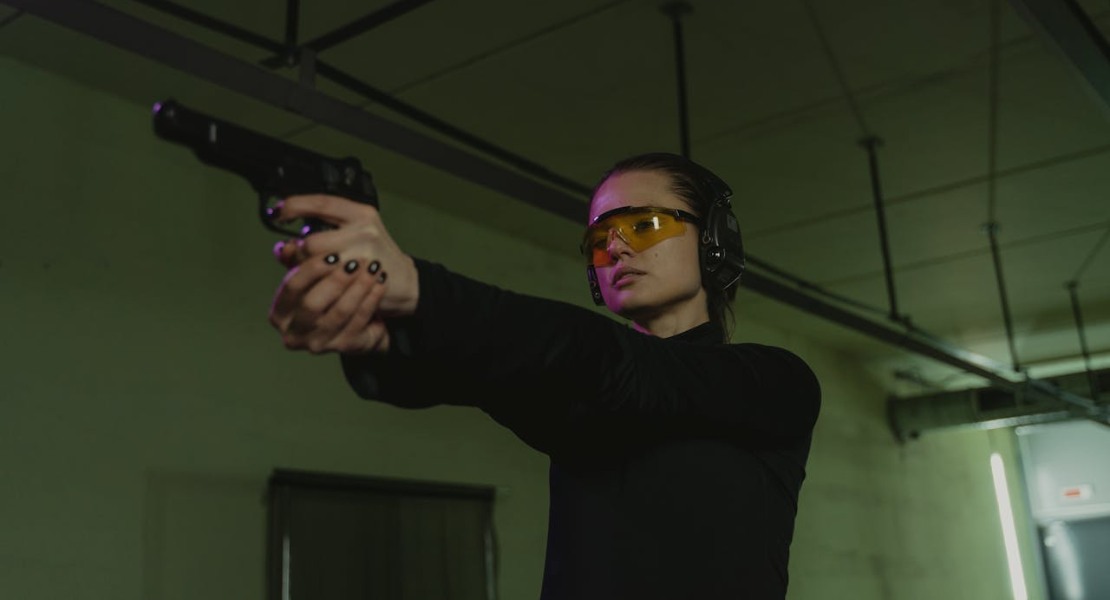
What Is the Full Name of the MP5
The full name, Maschinenpistole 5, directly translates to “Machine Pistol 5.” Developed by Heckler & Koch in the 1960s, it represents the peak of German precision during a post-war era that demanded innovation. The number five identifies it as a member of the company’s small-arms series that evolved from the G3 rifle. Each advancement built upon combat data and operator feedback, improving function and ergonomics.
The “Maschinenpistole” title highlights its compact, selective-fire role. Engineers combined strength and lightness to achieve maneuverability without losing accuracy. Its nomenclature, simple yet technical, conveys a weapon designed for both utility and control.
What the MP5 Was Designed For
Heckler & Koch created the MP5 to answer the need for a controllable automatic weapon in close-quarters missions. Specialized police and military forces required precise, fast response tools for hostage rescue and counterterrorism operations. Compact construction, secure cycling, and quick reloading shaped its practicality. The engineering team focused on balance, sight alignment, and trigger responsiveness.
They designed every part to operate under stress, from tight staircases to moving vehicles. Lightweight materials supported mobility without compromising durability. This harmony between agility and stability defined the MP5’s original purpose and distinguished it from heavier battlefield weapons developed for extended combat zones.
Why the MP5 Is So Popular
The MP5 became the benchmark for tactical firearms because of its reliability and precise shooting characteristics. Law enforcement agencies, including specialized federal units such as those described on the FBI official page, favored its stable recoil and predictable performance. Over forty nations adopted it for active service, making it one of the most widespread submachine guns in modern history.
Operators appreciated its smooth firing rhythm and mechanical integrity during intense missions. Public fascination grew through its repeated appearance in training videos, documentaries, and media, where its recognizable silhouette became synonymous with professionalism. Its reputation stems not from marketing, but from proven field results confirmed by decades of consistent use across diverse climates and tactical demands.
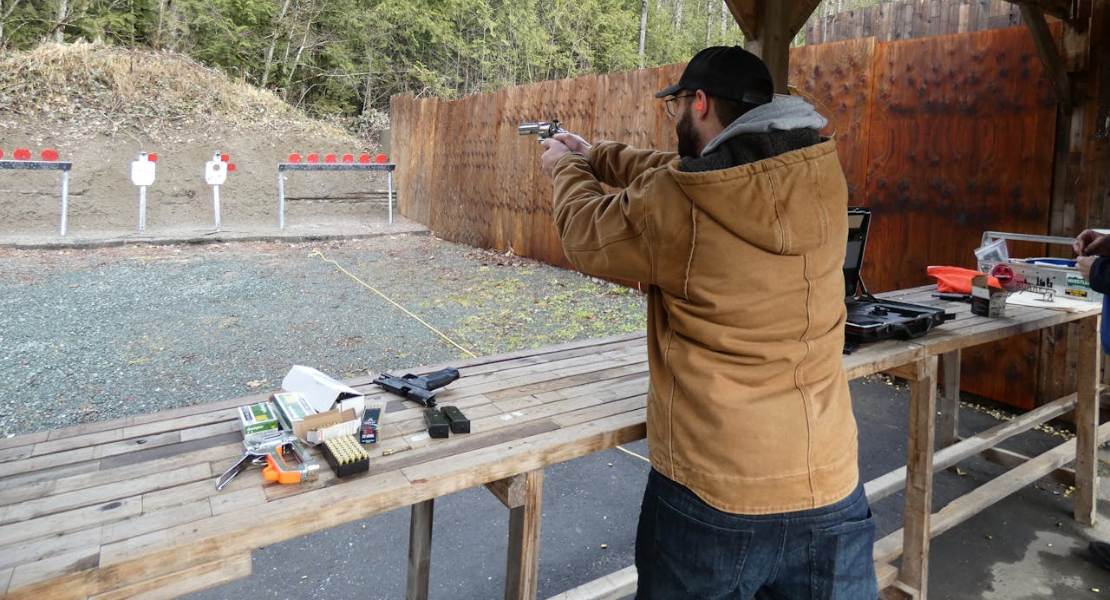
What Makes the MP5 Different
Among comparable firearms, the MP5 basic mechanism reveals a unique roller-delayed blowback system. This feature delays bolt movement long enough to stabilize projectile release and improve control. The result is superior recoil management and minimal muzzle rise. Accuracy at rapid fire rates became its trademark. Ergonomically, it fits naturally in the operator’s hands, allowing instinctive aim transitions and reduced fatigue.
Components such as the MP5 super safety function within this system to preserve predictable operation while maintaining the balance between control and reliability that defines the platform. Therefore, each lever and control placement serves a functional purpose rather than aesthetic design. The rifle’s internal harmony supports precision under stress, keeping performance consistent across operators of varied training backgrounds. Its mechanical predictability became a critical factor in its adoption for missions requiring discretion and speed.
MP5 Basics Performance and Handling
The MP5 fires 9x19mm Parabellum cartridges, balancing manageable recoil with dependable penetration. Its cyclic rate, averaging 800 rounds per minute, promotes rapid engagement while maintaining tight grouping. Trained users sustain fire accurately without drift or erratic patterning. Many field operators emphasize its quick magazine swaps and steady aim recovery.
When paired with suppressors, the MP5SD variant operates with notably reduced sound and visible flash, maintaining stealth in confined operations. Similarly, an MP5 buffer helps regulate rearward motion during firing, supporting smoother impulse control and predictable return-to-battery during sustained use.
The firearm’s consistent performance remains evident through prolonged sessions – temperature shifts, dust, and humidity rarely disrupt its rhythm.
MP5 vs AK-47
The MP5 and AK-47 embody two distinct schools of weapon philosophy. The MP5 represents refinement, precision, and operator control in specialized missions. The AK-47 embodies durability and high-impact fire for open-field operations. The MP5 fires pistol-caliber ammunition suitable for close-range engagements, while the AK-47 relies on rifle rounds optimized for distance and penetration. This contrast defines their deployment differences rather than superiority.
An MP5 operates silently and swiftly indoors; an AK-47 dominates outdoor fields under heavy conditions. The first rewards accuracy through technique, the second endures environmental extremes. Together, they illustrate how firearms reflect tactical objectives rather than shared design lineage. Neither replaces the other – they serve contrasting missions in complementary contexts.
Common MP5 Basics Variants
Adaptability defines the MP5’s evolution through numerous variants created for unique operational roles.
- MP5A2: Fixed stock, traditional setup, offering enhanced stability for prolonged aim and accuracy under sustained fire.
- MP5A3: Retractable stock, compact form, providing flexibility in tight quarters and vehicle operations without limiting precision.
- MP5SD: Fully suppressed version that reduces noise and muzzle flash for specialized covert assignments. Additional adaptations like the MP5K introduced ultra-compact builds for concealed or undercover use. An MP5K parts kit supports these shortened configurations by aligning internal geometry, springs, and controls with reduced dimensions.
Despite dimensional differences, all share interchangeable components and a consistent trigger feel. This modularity allows units to customize setups quickly for mission type and operator preference.
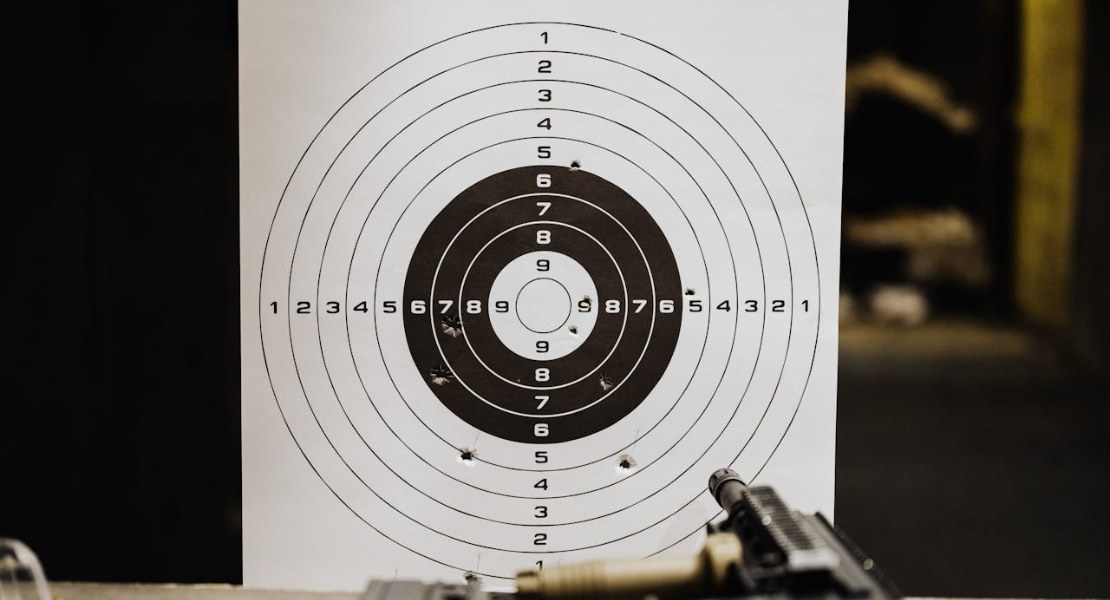
Who the MP5 Is Best Suited For
Law enforcement teams continue to rely on the MP5 for operations demanding reliable close-range precision. Tactical response units favor its stability during controlled bursts and compact structure for maneuverability indoors. Civilian enthusiasts admire its craftsmanship, mechanical precision, and lineage within firearm history. In collector circles, the MP5 symbolizes mechanical balance achieved through disciplined engineering.
Training institutions also use it to instruct entry-level marksmen due to its forgiving recoil and predictable performance. Professional users regard it as a teaching platform that bridges theory and practice, guiding shooters toward advanced control.
Applying MP5 Basics to Real Use
Learning MP5 basics reveals the harmony between design discipline and tactical precision. Every component represents deliberate craftsmanship, reflecting decades of refinement and rigorous field validation. Its influence extends from professional service to modern firearm development, continuing to shape industry standards. Those who wish to deepen their expertise can explore certified instruction programs, advanced handling courses, or professional demonstrations. Anyone drawn to technical excellence can begin their own path – through study, experience, and determination – to handle it with the respect it deserves.
FAQs
What are MP5 basics?
MP5 basics include a roller-delayed blowback operating system, 9×19mm caliber, selective-fire capability, compact dimensions, low recoil behavior, and consistent accuracy during controlled or rapid fire.
Can someone learn to handle the MP5 safely with training?
Yes. With proper instruction and supervised practice, users can develop safe handling habits, improve recoil control, and maintain consistent accuracy, although performance depends on training quality and individual skill development.
Why does the MP5 have reduced recoil compared to similar firearms?
The MP5 uses a roller-delayed blowback system that slows bolt movement during firing, spreading recoil forces over time and reducing muzzle rise compared to direct blowback designs.