



Long-Term Firearm Storage Mistakes That Can Cause Rust and Damage
Long-term firearm storage failures usually result from poor moisture control, improper preparation, and a lack of periodic inspection. When firearms sit unused, even small environmental fluctuations can trigger corrosion. Avoiding a few common mistakes preserves mechanical reliability, surface finish, and long-term performance.
Firearms stored for extended periods face different risks than those used regularly. When a firearm remains untouched for months or years, moisture, temperature changes, and residual contaminants can slowly damage metal components. Many owners researching accessories or even browsing listings such as super safety for sale often focus on upgrades, yet overlook how storage conditions affect long-term reliability. Simply placing a firearm in a safe or case is not always enough protection. Improper storage environments allow corrosion and mechanical wear to develop gradually and often unnoticed. Long term firearm storage requires controlled humidity, thorough preparation, and routine inspection. Small oversights—such as residual fingerprints or inconsistent moisture levels—can lead to rust, pitting, and degraded components over time.
Ignoring Humidity Control
Uncontrolled humidity is the leading cause of rust during long-term firearm storage. Moisture interacts directly with exposed steel surfaces. When relative humidity rises above 50–55%, the risk of oxidation increases significantly. Condensation can form on cooler metal surfaces inside safes, especially in basements or garages, and seasonal temperature swings exacerbate the problem. Even minor fluctuations over time can trigger surface oxidation on unprotected steel, which may progress to pitting if left unchecked.
Enclosed spaces with limited airflow trap humid air, creating ideal corrosion conditions. Studies show that steel corrosion rates increase notably once humidity exceeds this threshold, particularly in confined areas with poor ventilation.
Using dehumidifiers, desiccant packs, or safe-mounted heaters helps maintain proper gun storage conditions and prevents hidden moisture buildup. Small measures like these are critical when storing firearms safely long-term.
Storing Firearms Without Proper Cleaning
Residue left on a firearm before storage accelerates corrosion and surface damage. After use, firearms contain carbon fouling, powder residue, and trace combustion byproducts. These residues are often mildly acidic. When left on metal surfaces, they attract and retain moisture.
Fingerprint oils also pose a risk. Human skin deposits salts and natural oils that create corrosion points. Rust often appears first in areas with heavy handling or fouling buildup—such as slide serrations, trigger guards, and magazine wells.
Many owners wonder, “How often should you clean your firearms?” While cleaning frequency depends on use, any firearm going into long-term storage should be thoroughly cleaned and fully dried, regardless of when it was last fired. Storage changes the risk profile because contaminants left in place have more time to interact with ambient humidity.
Cleaning must also be followed by proper drying. Solvents, patches, or cloths can leave residual moisture in crevices if the firearm is not adequately aired out. Contaminants that trap moisture create small corrosion zones that gradually expand over time.
Understanding what causes rust on stored firearms often starts with examining what was left behind before storage. Even a clean-looking firearm may have residue hidden in hard-to-reach areas.
Using the Wrong Storage Containers
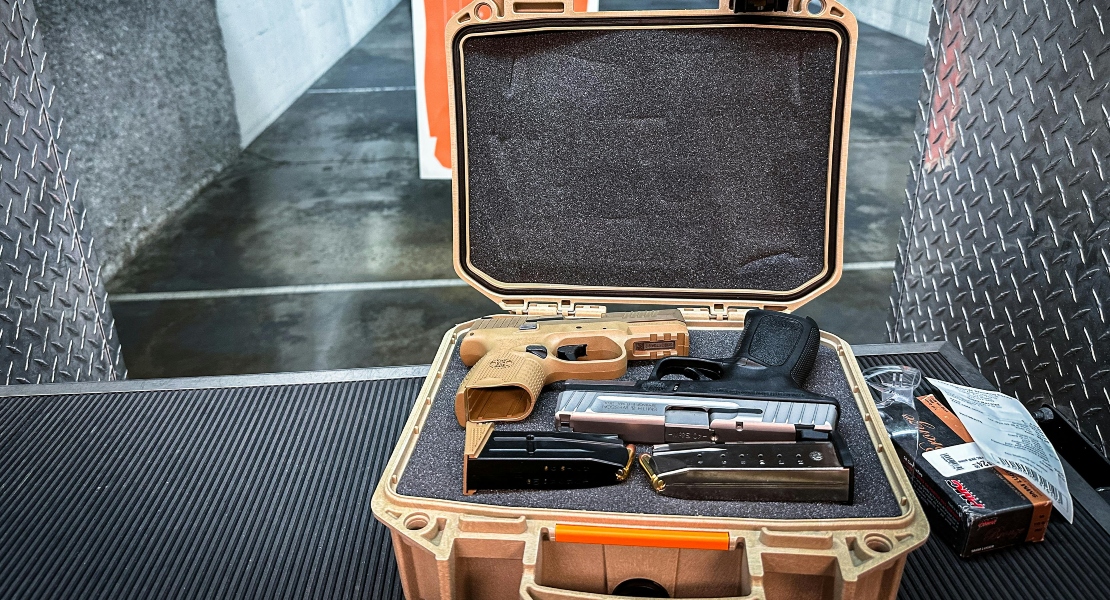
Certain storage materials can trap moisture and promote rust instead of preventing it. Foam-lined hard cases are a common culprit. While ideal for transport, they can retain moisture and limit airflow when used for extended storage. The foam acts like a sponge, holding ambient humidity close to metal surfaces.
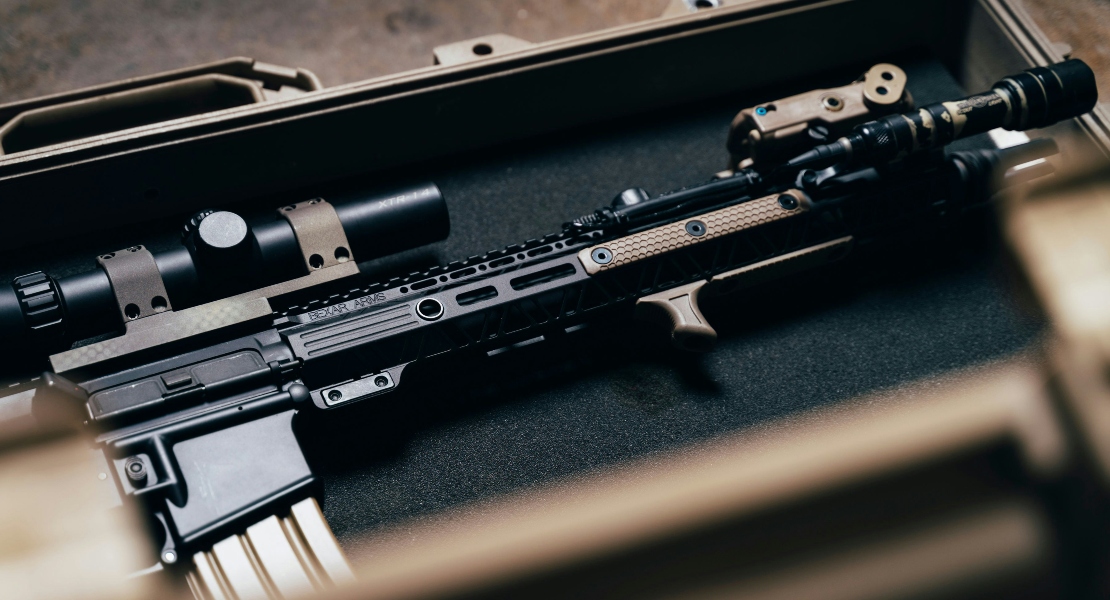
On the other hand, soft cases pose similar risks. They are typically made from fabric that can absorb moisture from the surrounding air. When zipped closed for months, they create a stagnant environment around the firearm. Sealed containers without moisture control are also problematic. Lack of ventilation combined with trapped humidity forms ideal corrosion conditions.
Short-term transportation solutions are not designed for long-term preservation. Firearms stored for months should be placed in a gun safe with humidity control or cabinets equipped with humidity control systems.
Skipping Protective Lubrication
A firearm stored without a protective oil layer is more vulnerable to oxidation. Ammunition exposed to moisture can corrode the casing and primer. Corroded cartridges not only become unreliable but may also introduce oxidation particles into the storage area. For long-term storage, ammunition should be kept in sealed containers with desiccants and separated from firearms to reduce cross-contamination.
Finish type also affects corrosion resistance during storage. When comparing Cerakote vs Nitride vs Parkerized finishes, Nitride treatments generally offer strong corrosion resistance due to surface hardening, Cerakote provides a ceramic-based protective coating, while Parkerized finishes require more consistent oiling to prevent rust.
Key areas that require coverage include:
- External metal surfaces
- Slide rails
- Barrel exteriors
- Screws and pins
Smaller external controls—such as levers and similar components, including a super safety lever—should also receive a light protective coating since edges and high-contact areas tend to oxidize first.
Dry metal surfaces tend to develop surface rust faster during storage. Even stainless steel firearms are not immune; they resist corrosion but can still rust under prolonged exposure to moisture.
Failing to Inspect Stored Firearms
Neglecting periodic checks allows small issues to develop into serious damage. Even under ideal conditions, environmental shifts can occur. Desiccant packs become saturated, dehumidifiers can fail, and even seals degrade.
Regular inspections help identify early signs of corrosion—small discolorations, faint roughness, or surface haze. Early-stage rust can often be removed with light cleaning and re-oiling. Left unchecked, it can progress into pitting.

Many owners wonder how often they should check stored firearms. A practical interval is every 1–3 months, depending on the climate and storage setup.
During inspection:
- Examine external metal surfaces under good lighting
- Check high-contact areas
- Verify humidity control devices are functioning
- Reapply protective oil if necessary
Routine checks are a core part of storing firearms safely long term, particularly in climates with seasonal humidity variation.
Poor Storage Environment Selection
The storage location itself plays a major role in long-term firearm condition. Basements and garages are high-risk environments because they often experience humidity swings, condensation, and inconsistent temperatures. When outside temperatures shift, metal surfaces inside safes can cool faster than the surrounding air, creating condensation that settles directly on steel components. Over time, that repeated exposure increases corrosion risk.
Attics present a different issue: excessive heat. High temperatures can degrade lubricants, affect polymer parts, and dry out wooden stocks. Even if rust does not appear immediately, material stress can accumulate.
To safely store firearms at home, choose a climate-controlled indoor space with stable humidity and temperature levels year-round. Interior closets or rooms within the main living area typically provide more consistent conditions than exterior-facing walls or detached structures.
Overlooking Ammunition and Accessories
Ammunition and accessories can also degrade and affect long term firearm storage conditions. They are exposed to moisture can corrode the casing and primer. Corroded cartridges not only become unreliable but may also introduce oxidation particles into the storage area. For long-term storage, ammunition should be kept in sealed containers with desiccants and separated from firearms to reduce cross-contamination.
Magazines are particularly vulnerable, especially AK magazine types. Their internal springs and followers are often overlooked during storage preparation, yet they are made of steel and subject to the same humidity risks as the firearm itself. If left untreated in damp conditions, corrosion can weaken spring tension and affect feeding reliability.
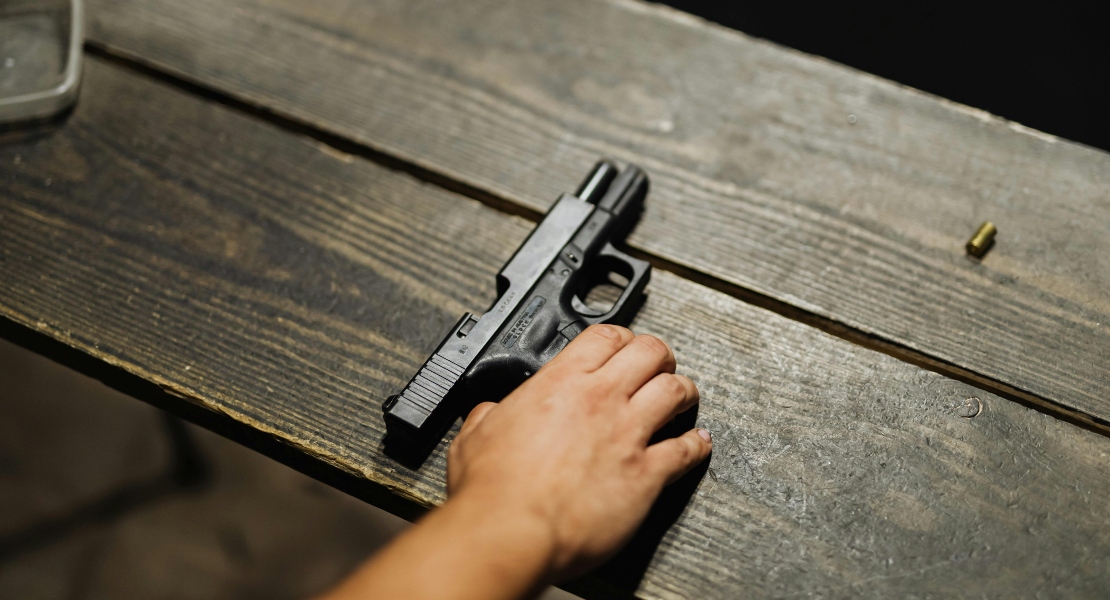
Aftermarket components—such as optics mounts, spare bolts, or parts like a super safety cam—should be cleaned, lightly protected with a corrosion inhibitor, and stored in moisture-controlled conditions. Small steel parts corrode quickly because they have high surface exposure relative to size.
Cross-contamination inside enclosed storage spaces is common. A damp sling, improperly dried cleaning cloth, or untreated accessory can raise humidity levels in a safe. Organizing storage areas carefully and separating moisture-prone items helps maintain stable internal conditions and protects all metal components over time.
Small Storage Mistakes Lead to Long-Term Damage
Long term firearm storage depends on moisture control, preparation, and routine inspection. Most rust and degradation result from preventable mistakes rather than material defects. Improper cleaning, skipped lubrication, unstable humidity, and lack of inspection allow corrosion to progress slowly over time. Maintaining controlled conditions, applying protective oil, and checking stored firearms periodically significantly reduces risk. Careful storage practices preserve performance and extend service life. A few consistent preventive steps can prevent costly damage years down the line.
FAQs
How do you store a firearm for a long time without rust?
Keep humidity between 40% and 50%, clean and dry the firearm thoroughly, apply a light protective oil, and store it in a ventilated safe with moisture control. Periodic inspection ensures early corrosion is addressed.
What is the best humidity level for long term firearm storage?
Most experts recommend maintaining relative humidity between 40% and 50%. Below 35% may dry out wood stocks, while above 55% significantly increases corrosion risk.
Can gun cases cause rust?
Yes. Foam-lined and soft cases can trap moisture when used for extended storage, creating a humid micro-environment that promotes oxidation.
How often should you check stored firearms?
Inspect firearms every 1–3 months, depending on climate and storage setup. Regular checks allow early detection of surface rust or humidity control issues.