



How the Taurus TX22 Became a Training Platform
The Taurus TX22 training platform became popular because it solves three training problems at once: low recoil that lets shooters focus on fundamentals, affordable .22LR ammunition that supports the round counts skill-building actually requires, and trigger geometry that made it a natural host for active reset systems like the ART. The TX22 didn't become a training platform by accident; low recoil, low cost, and compatible trigger geometry all reinforce the same skill-building use case.
Many rimfire pistols are affordable and low-recoiling, but the TX22 specifically became the go-to training platform among competitive shooters and instructors. Before choosing firearm parts and accessories for a training-focused build, understanding why the TX22 earned that reputation reveals what actually matters for practice-focused use. A platform that’s merely affordable doesn’t automatically become a training standard; the TX22’s specific combination of traits is what does.
Why Low Recoil and Affordable Ammunition Matter for Training
Repetition is what builds trigger control, and the TX22 ART removes the two biggest barriers to repetition: recoil fatigue and ammunition cost. Low recoil means shooters can focus on sight picture, trigger press, and grip without fighting the pistol after every shot, which is what makes flinch development visible and correctable rather than masked by the effort of managing recoil. A centerfire pistol running 200 rounds in a session produces fatigue that degrades technique before the session ends. The TX22 doesn’t.
Cost compounds the recoil advantage. .22LR runs at a fraction of the cost of centerfire ammunition, which means the round count that produces real skill development is actually achievable in a budget that works for regular practice. Instructors who recommend rimfire training platforms consistently cite round count affordability as the practical factor that determines whether students actually practice enough to build skill, not whether the platform feels impressive. A platform that’s both low recoil and affordable removes the two biggest barriers to repetition simultaneously, which is why the combination compounds rather than just adds up.
Trigger Geometry and Why the TX22 Became an ART Host
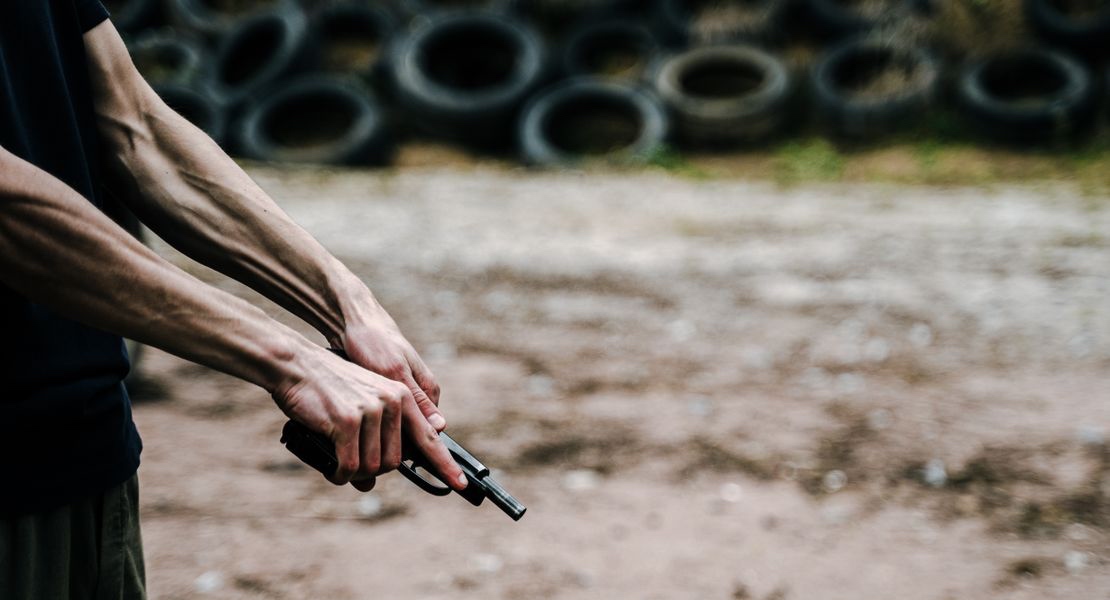
The TX22’s trigger reputation didn’t start with the ART; it started with the platform’s own trigger bar and disconnector relationship, which created a cleaner interface for active reset systems than most rimfire pistols offer. The trigger bar profile and disconnector geometry allow the ART’s modified disconnector to contact the trigger during the slide’s return stroke without requiring changes to any other fire control parts. The TX22’s trigger geometry is what allowed the ART to work cleanly, and that compatibility is part of why the platform’s training reputation grew beyond just being an affordable rimfire.
Understanding what the TX22 ART does makes the training connection clear; a more consistent, tactile reset point builds repeatable trigger discipline between shots. The ART didn’t make the TX22 a training platform; it made an already strong training platform better at teaching reset discipline specifically. Pairing the platform’s low recoil and affordable running cost with a more consistent reset point is why the TX22 shows up consistently in competition training setups focused on trigger control and repetition. It’s the most complete rimfire training package available at its price point. The TX22 extends that value without changing what made the platform worth training on in the first place.
Why the TX22 Works Well for Dry Fire Practice
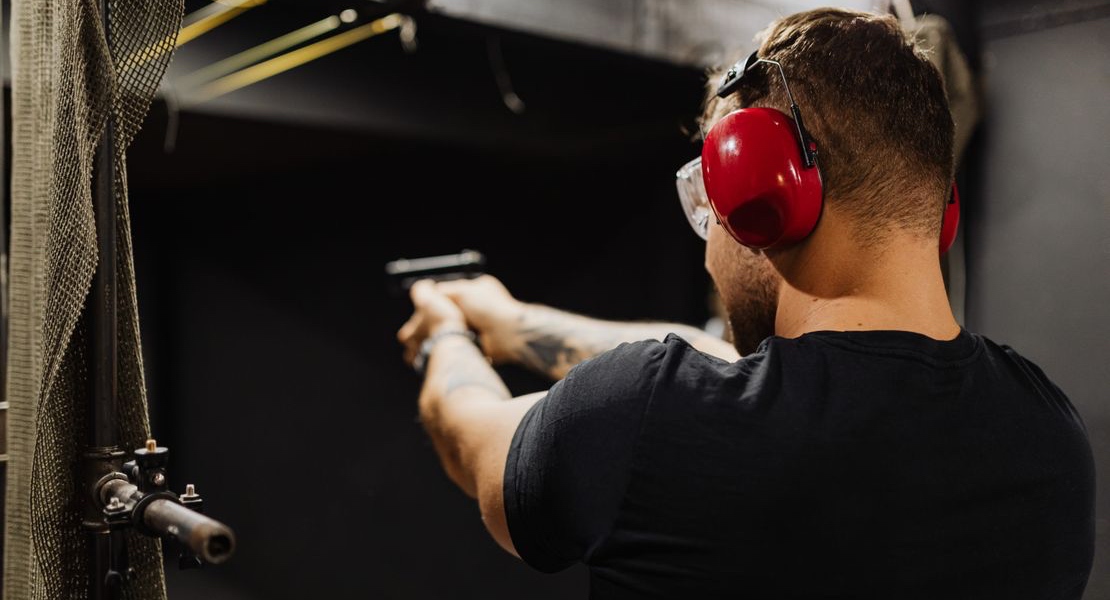
Live fire builds skill faster when it’s reinforced by dry fire between sessions, and the TX22 platform for training fits that approach well. Its consistent trigger feel makes it easier to work on grip, sight alignment, and trigger control without the noise and cost of live ammunition. A platform that’s affordable enough to dedicate entirely to dry fire practice removes the hesitation that comes with dry firing a primary firearm, no concern about wear on a carry gun, and no reluctance to run another session because the pistol is too valuable to put through the repetitions.
The trigger feel that makes the TX22 useful for live fire translates directly to dry fire. The reset point is consistent, the trigger travel is predictable, and the grip geometry stays the same between live and dry sessions, which means the technique built in dry fire actually transfers to the range. Adding dry fire practice to the training routine extends the TX22’s value beyond range sessions and into the daily practice that separates shooters who improve steadily from those who plateau. Dry fire and live fire reinforce each other when done on the same platform; the muscle memory built in one session transfers directly to the other.
Three Factors, One Training Platform
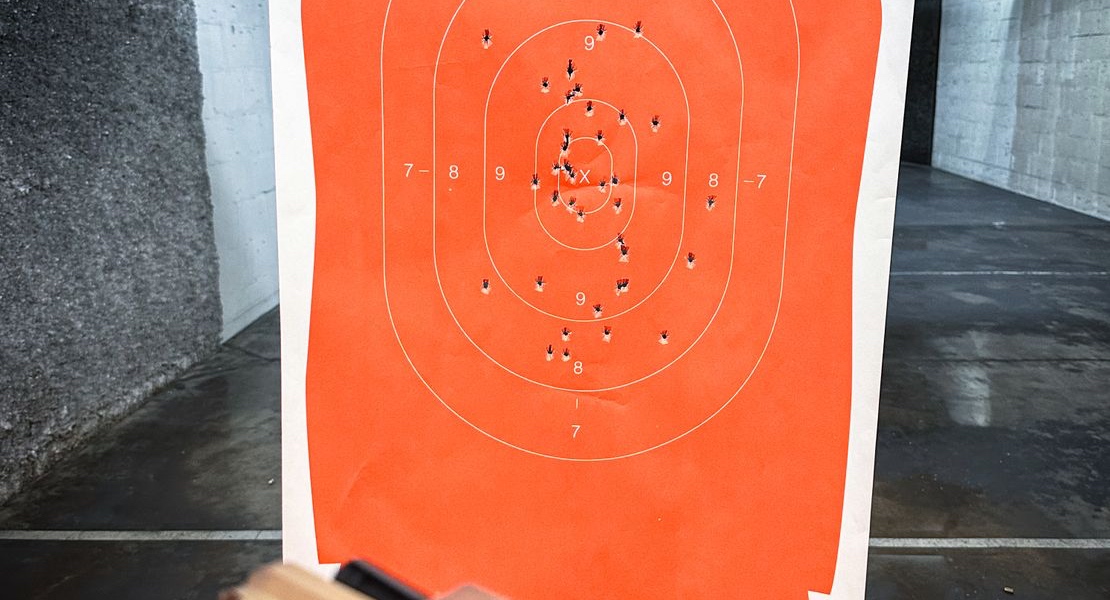
The TX22’s training reputation comes from low recoil, affordable ammunition, and trigger geometry that supports both reliable function and active reset compatibility; working together, no single factor would have built the same reputation alone. For shooters who want a platform that rewards repetition, transfers to centerfire shooting, and grows with upgrades like the ART, the TX22 delivers all three without requiring a separate training gun and a separate competition gun.
FAQs
Why is the TX22 good for training?
Three factors work together: low recoil that keeps shooters focused on fundamentals rather than managing the pistol, affordable .22LR ammunition that makes high round counts achievable on a realistic budget, and trigger geometry that supports both stock configuration and active reset upgrades like the ART.
Is the TX22 good for dry fire practice?
Yes, its consistent trigger feel and predictable reset make it well-suited for grip, sight alignment, and trigger control work between range sessions. Its affordability also makes it practical to dedicate entirely to dry fire practice without putting wear on a primary carry or competition gun.
What makes the TX22 reliable for training?
Consistent function across high round counts, trigger geometry that supports both the factory configuration and the ART upgrade, and a grip and handling profile that stays consistent between live fire and dry fire sessions. The platform is designed for repetition-based use and holds up to the round counts that training actually requires.
Does the TX22 ART help with training?
Yes, a more consistent, tactile reset point makes it easier to build repeatable trigger discipline between shots. The ART doesn't replace good fundamentals, but it makes each repetition more consistent, which is why it shows up in competition training setups focused on trigger control and timing work.