



How Often Should You Really Clean Your Firearms?
Firearm cleaning frequency depends on use, environment, and purpose. Regular maintenance ensures reliability and longevity, while over-cleaning causes wear. Inspect guns, clean after heavy use or exposure, and follow a condition-based schedule for optimal performance.
Owning a firearm comes with responsibilities, and cleaning is often at the top of the list. But for many gun owners, knowing how often you should clean your firearms is more confusing than the mechanics of the gun itself. Some people clean their guns after every trigger pull, while others let months pass between sessions. The internet only adds confusion, with advice swinging between extreme routines. In reality, cleaning frequency depends on use, environment, and the specific firearm parts and accessories involved – not fear or habit. Understanding proper maintenance protects your gun’s function, longevity, and reliability without unnecessary wear or stress.
Why Firearms Need Cleaning at All
Before deciding how often to clean your firearms, it helps to understand why cleaning matters. Every time a round is fired, residue from the propellant and combustion builds up inside the barrel, chamber, and other parts. This residue – commonly called fouling – can range from a fine powder to sticky deposits, depending on the ammunition and environmental conditions.
Left unchecked, residue can affect function and reliability, causing misfeeds, jams, or inconsistent cycling. Dirt and grime might be more noticeable cosmetically, but the real enemy is corrosion. Over time, neglect can damage metal surfaces and shorten the lifespan of your firearm.
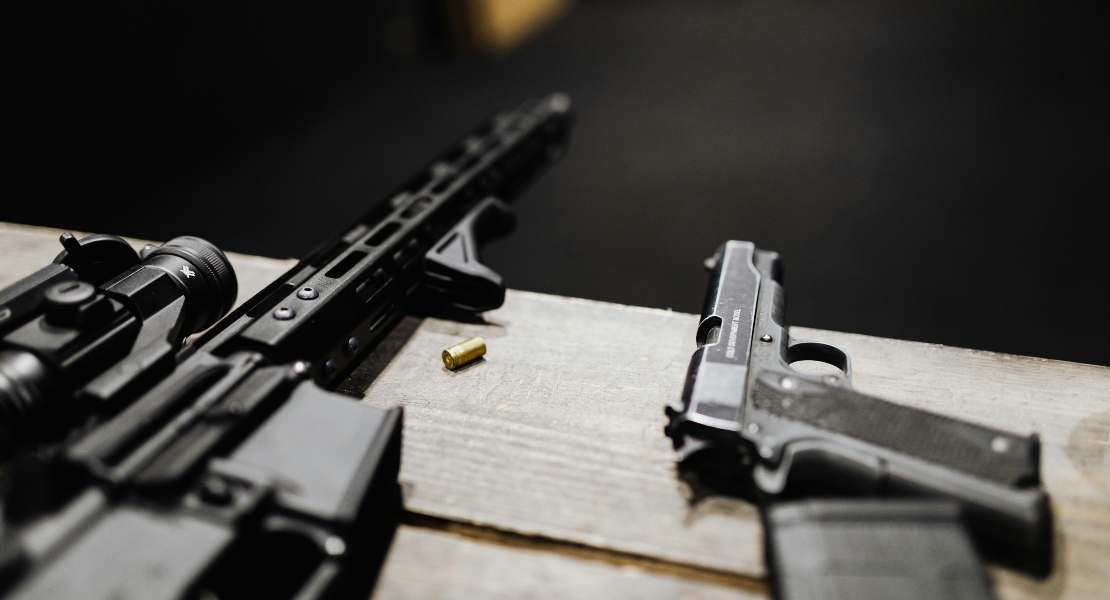
Cleaning is about preserving performance and longevity, not achieving showroom perfection. Occasional cosmetic touch-ups are secondary; consistent maintenance protects the mechanics that matter.
How Often Should You Clean Your Firearms After Shooting?
The question that comes up most often is: How often should you clean your firearms after shooting? The short answer: it depends on how and where you shoot.
For casual range sessions with a small number of rounds, especially in controlled indoor ranges, you might not need a full clean after every use. Light fouling from a few dozen rounds rarely causes reliability issues. Outdoor shooting, however, introduces dirt, moisture, and heavier fouling, particularly with high-volume sessions or hotter ammunition.
Environmental conditions also play a role. Heat, humidity, and exposure to corrosive residues can accelerate buildup. In these cases, it’s best to thoroughly clean after each session.
The key takeaway: not every shooting session demands a full disassembly and deep clean. Pay attention to conditions, but avoid letting extreme advice dictate how often to clean a gun.
Gun Cleaning Frequency Depends on How the Firearm Is Used
One-size-fits-all advice rarely works when it comes to gun cleaning frequency. Deciding how often you should clean your firearms varies depending on whether the gun is for defense, competition, or recreational use.
A defensive handgun carried daily has different priorities than a competition rifle or a firearm used only for recreational shooting. Similarly, semi-automatic rifles like the AR-15 benefit from attention tailored to their design and use patterns. Proper cleaning can help reduce risks associated with AR-15 safety issues that arise from fouling, debris, or corrosion.
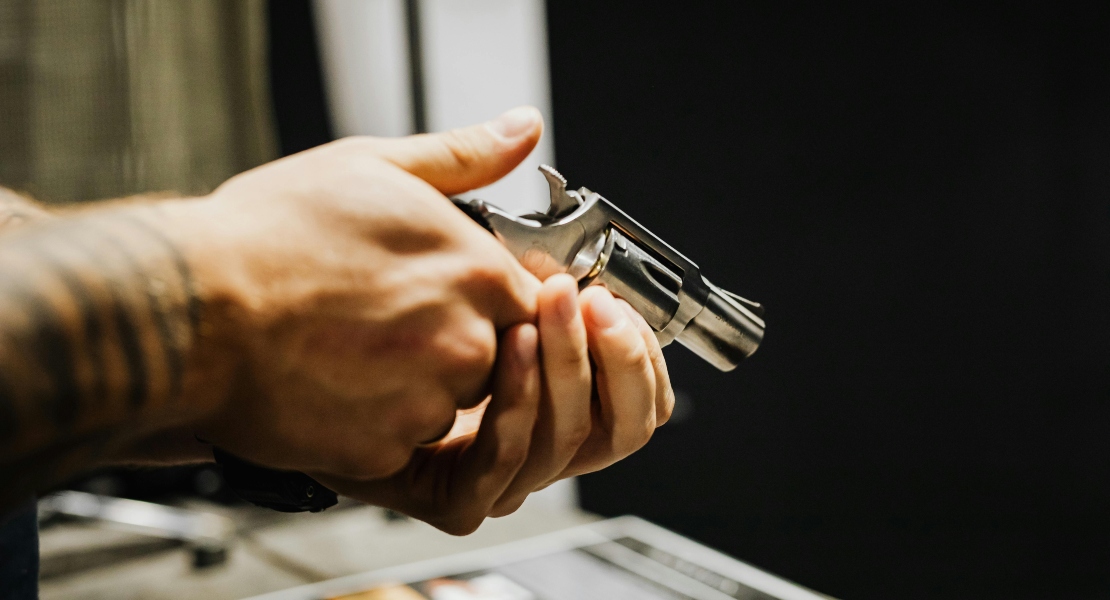
Firearm cleaning schedules should reflect their purpose. Range-only guns can often tolerate longer intervals between deep cleans, while duty or carry firearms require more consistent maintenance to ensure reliability. Over-cleaning recreational firearms can actually cause unnecessary wear, while under-cleaning defensive firearms can compromise performance when it matters most.
By matching your cleaning routine to how each firearm is used, you protect both performance and safety without creating extra work or stress.
How Often Should Unused Firearms Be Cleaned?
Another common question is: Do you need to clean a gun after every use? Even firearms that sit untouched aren’t maintenance-free. Many owners also wonder how often unused firearms should be cleaned, since environmental exposure—rather than round count—poses the greatest risk. Humidity, temperature fluctuations, and storage conditions influence corrosion and fouling.
Inspection should be the first step: checking for moisture, dust, or rust. A full clean may not be necessary every time, but periodic maintenance prevents long-term damage. Storing firearms in climate-controlled environments reduces the frequency required, but guns kept in garages, safes, or outdoors may need attention more often.
The message is simple: unused doesn’t mean ignored. Regular inspections and occasional cleaning protect your investment.
Signs Your Firearm Actually Needs Cleaning
Instead of strictly following a calendar, consider how often you should clean your firearms based on functional cues like cycling, feel, or residue buildup. If a firearm’s cycling feels rough, the trigger feels inconsistent, or rounds fail to feed smoothly, it’s time for cleaning.
Some firearms tolerate more residue than others. Knowing your gun’s tolerance and operating characteristics helps you decide when cleaning is necessary. The goal is to maintain functionality, not achieve visual perfection.
Condition-based maintenance is smarter than arbitrary schedules and keeps your firearms ready without unnecessary work.
Can Cleaning Too Often Cause Problems?
While neglect is harmful, over-cleaning carries its own risks. Constant disassembly can accelerate wear on pins, springs, and other moving parts. Excessive use of solvents may affect lubrication and even leave residues that attract dirt, reducing reliability.
Mechanical components don’t benefit from being stripped and scrubbed after every session. This is especially true for specialized pieces, such as super safety parts, which are designed for durability but can experience unnecessary wear if handled too frequently.
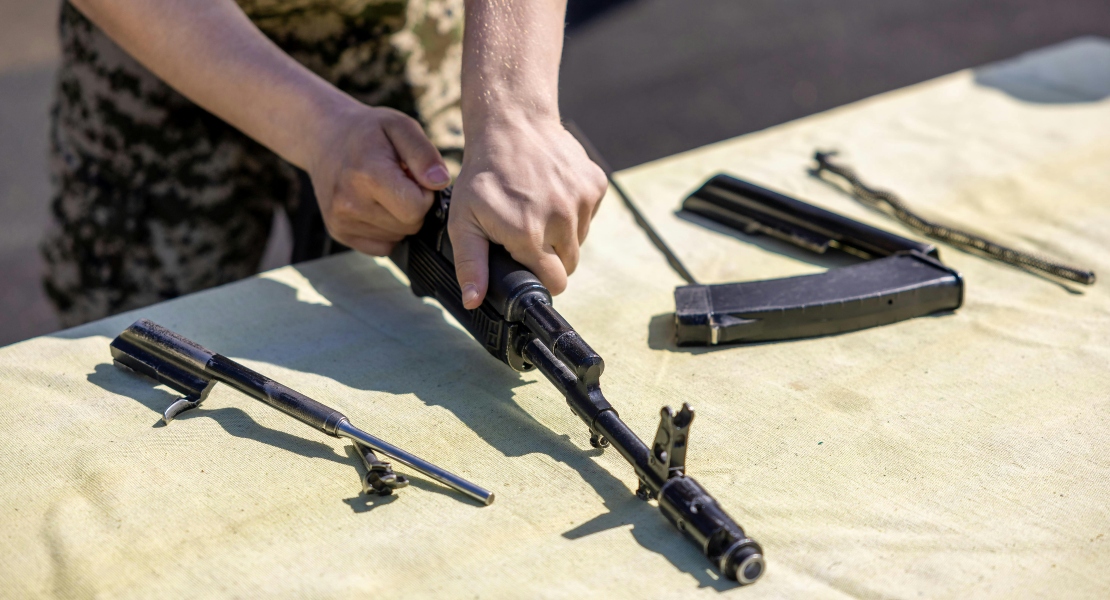
Another consideration is platform-specific assemblies. Repeated maintenance on rifles with an AR-15 FCG kit can introduce unnecessary stress on the fire control group if cleaning becomes excessive. Even though they’re built for reliable performance, moderation ensures parts maintain their tolerance and function over time.
Moderation is key: balancing cleaning frequency with actual need protects your firearm, preserves its components, and keeps it performing reliably without unnecessary maintenance.
Building a Reasonable Firearm Cleaning Schedule
A structured yet flexible schedule can simplify ownership. Start with usage-based intervals: light range use may call for monthly or quarterly cleaning, heavy use or carrying firearms may need cleaning after every session. Seasonal conditions can also dictate attention, especially in humid or salty environments.
Consistency matters more than intensity. A short, thorough check every few weeks is often better than an obsessive deep clean after each round. Incorporate personal habits and storage realities to create a schedule that fits your lifestyle without adding stress.
Clean Enough to Protect – Not to Obsess
Cleaning firearms is essential for function, safety, and longevity, but it doesn’t have to be obsessive. Frequency depends on usage, environment, and purpose. Not every session needs a full breakdown; sometimes, inspection and light maintenance are enough. Knowledge and awareness outperform rigid rules. By understanding why and when cleaning matters, you make smarter decisions that protect your firearm and your time.
FAQs
How often should you clean your firearms?
Frequency depends on use. Light-range guns may be cleaned monthly, and heavy-use or carry firearms after each session. Environmental conditions and ammunition type also influence the schedule.
Do you need to clean a gun after every use?
Not always. Casual indoor range use with low rounds may not require full cleaning. Outdoor, high-volume, or duty firearms benefit from post-use maintenance.
How often should unused firearms be cleaned?
Inspect and clean based on storage conditions. Climate-controlled environments need less frequent attention, while humid or exposed conditions require more regular checks and occasional cleaning.