



How Firearm Triggers Actually Work
Firearm triggers function by releasing stored spring tension through a sear system, allowing a hammer or striker to move forward and ignite the cartridge. While trigger design varies by action type, all systems control energy release, timing, and safe reset to ensure consistent mechanical operation.
Every modern firearm functions through the controlled release of spring-loaded mechanical energy. The trigger is not a simple button, but part of a system that manages tension, timing, and release. Because designs vary by action type, simplified explanations often miss key steps. Understanding how firearm triggers work improves safety awareness and technical confidence, especially when using super safety devices.
The Basic Purpose of a Firearm Trigger
The firearm trigger mechanism serves one central purpose. At a fundamental level, this explains how firearm triggers work: controlled release of stored spring tension through sear engagement.
Inside the firearm, a hammer or striker is held under spring tension. The trigger does not strike the primer directly; it releases the component that does.
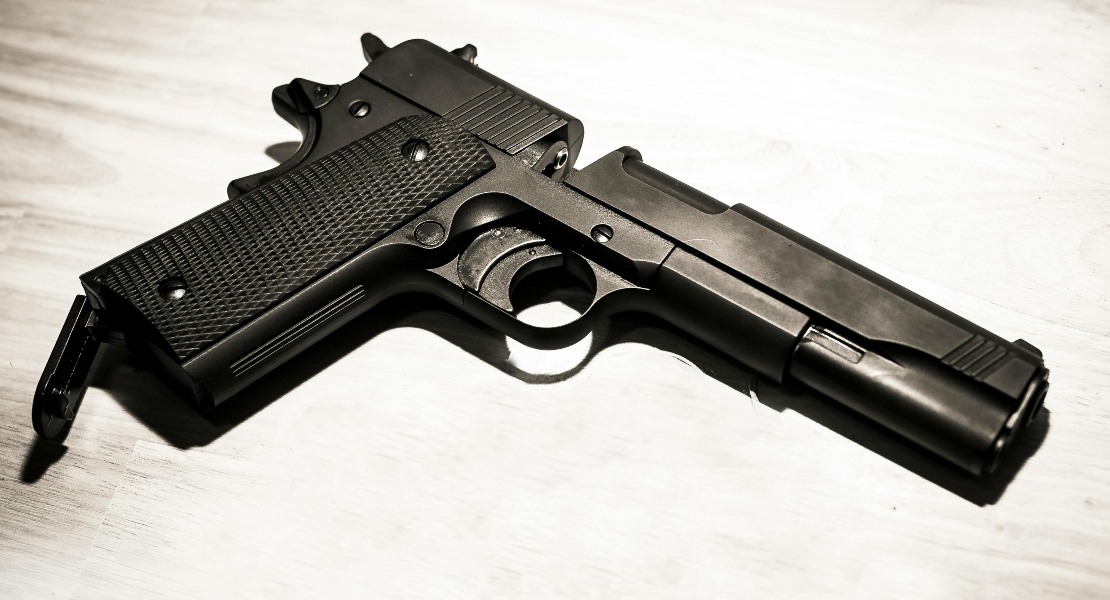
Mechanically, the trigger:
- Holds the firing mechanism under tension via the sear
- Releases the sear when sufficient pressure is applied
- Allows the hammer or striker to move forward
- Resets after the firearm cycles
Think of the trigger as a controlled energy gate. It regulates when stored force is released and ensures that release occurs only under deliberate input.
What Happens When You Pull the Trigger
Understanding what happens when you pull a firearm trigger requires following the internal sequence step by step.
So, how does a gun trigger mechanism work step by step?
- The trigger moves rearward under finger pressure.
- The trigger bar transfers that movement toward the sear.
- The sear disengages from the hammer or striker.
- The hammer or striker is released forward under spring tension.
- The firing pin impacts the cartridge primer.
- The primer ignites the powder charge.
- Expanding gases propel the projectile.
- The slide or bolt cycles rearward (in semi-automatic designs).
- The trigger resets during forward movement.
This sequence defines what happens when you pull a gun trigger mechanically. The trigger does not create energy; it releases stored spring tension in a controlled, timed manner.
Key Components Inside a Trigger Mechanism
To understand internal operation, here are the essential trigger components explained:
- Trigger shoe – The external surface pressed by the shooter.
- Trigger bar – Transfers rearward movement toward the sear.
- Sear – Holds the hammer or striker under tension until release.
- Hammer or striker – Driven by spring force to strike the primer.
- Disconnector – Prevents unintended repeated discharge during cycling.
- Springs – Store and regulate mechanical energy.
Each component contributes to tension control, release timing, and reset consistency. Small variations in geometry or surface finish can significantly affect reliability and pull characteristics.
How Single-Action Triggers Work
In single-action systems, the hammer is cocked before the trigger is pressed. The trigger’s sole role is to release the sear.
When the trigger is pressed:
- The trigger moves rearward.
- The sear disengages from the cocked hammer.
- The hammer moves forward under spring tension.
The trigger does not cock the hammer during this movement. Because the energy is already stored, the pull distance is typically shorter and the required force lower than in systems where the trigger must both cock and release the hammer.
How Double-Action Triggers Work
Double-action systems require the trigger to perform two mechanical tasks in one continuous movement.
During the pull:
- The trigger draws the hammer rearward.
- The hammer spring compresses further.
- At full rearward travel, the sear releases the hammer.
A greater input force is required because the trigger both compresses and releases the spring. Travel distance is longer, and resistance increases as compression rises. In this system, the trigger stores and releases energy within the same motion cycle.
Striker-Fired Trigger Systems Explained
Striker-fired firearms eliminate the traditional hammer. Instead, a spring-loaded striker sits partially or fully tensioned within the slide.
So, how does a trigger release the firing pin in striker systems? The process follows a sequence:
- The trigger moves rearward.
- The trigger bar completes remaining striker compression (if partially pre-cocked).
- The sear disengages from the striker.
- The striker moves forward under spring tension.
- The firing pin impacts the primer.
Unlike hammer-driven systems, energy storage and release occur within a linear striker assembly rather than a rotating hammer. Most striker designs also include internal safeties, such as firing pin blocks, that prevent forward movement unless the trigger is deliberately pressed.
What Determines Trigger Pull Weight and Feel
Trigger characteristics are influenced by measurable mechanical factors:
- Spring tension (often measured in pounds of force)
- Sear engagement surface area
- Trigger leverage geometry
- Friction points between components
- Overtravel and reset distance
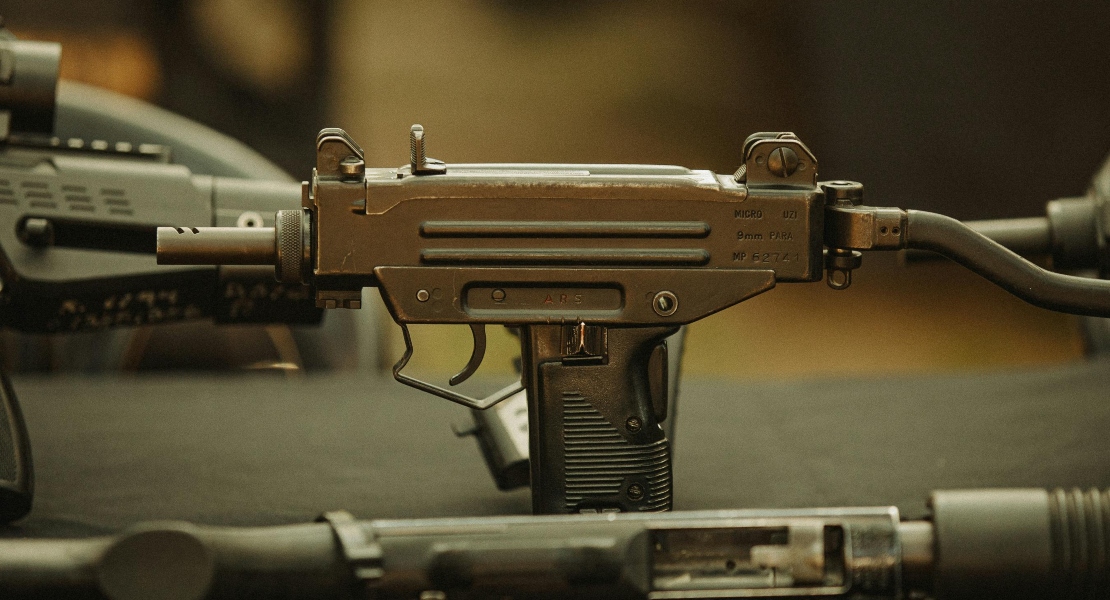
Pull weight depends on the spring force required to disengage the sear. In service rifles, a milspec AR-15 trigger typically ranges from 5.5 to 9 pounds to balance reliable primer ignition with durable engagement surfaces.
Small changes in sear angles, polishing, or spring rates affect how force builds during the press. Even minor reductions in friction or engagement depth influence break consistency. Trigger feel ultimately results from geometry, surface interaction, and controlled spring force distribution.
Trigger Reset and Why It Matters
After a shot is fired and the slide or bolt cycles, the trigger must move forward to reset.
Mechanically, reset involves:
- Forward trigger movement
- Disconnector re-engagement
- Sear re-engagement with hammer or striker
Reset distance affects trigger creep and reset length by defining how far components travel before release and how far the trigger must return to re-engage. These values depend on engagement geometry and disconnector timing.
A proper reset ensures consistent semi-automatic function; without it, the firearm cannot reliably prepare for the next shot.
Understanding what an active reset trigger does requires comparison to a standard system. It uses additional spring energy to assist forward trigger movement, shortening perceived reset time and enhancing tactile feedback while maintaining the same controlled sear engagement principle.
Common Trigger Misconceptions
Several persistent myths oversimplify how trigger systems actually function.
- The trigger directly hits the firing pin. – False. The trigger releases the sear, allowing stored spring energy to drive the firing component forward.
- Heavier triggers are always safer. – Safety depends on sear engagement quality and internal safeties, not pull weight alone.
- All firearms use identical trigger systems. – Designs vary across single-action, double-action, striker-fired, and other mechanisms.
- Trigger upgrades increase firing power. – They do not affect cartridge energy, only the characteristics of mechanical release.
Why Trigger Design Affects Safety and Reliability
Trigger systems are safety-critical components.
Modern firearms often include:
- Drop safeties
- Firing pin blocks
- Redundant sear engagement surfaces
- Disconnectors to prevent out-of-battery firing
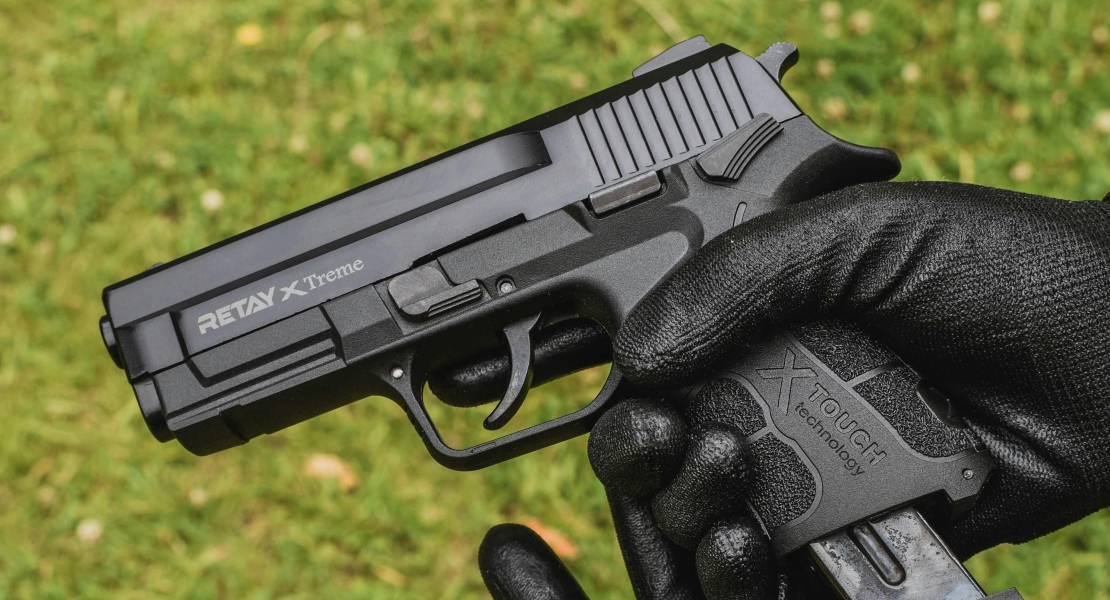
Over thousands of cycles, wear patterns can affect engagement geometry. Even a change of 0.1 mm in sear engagement can influence reliability.
Consistent trigger design ensures predictable energy release under repeated mechanical stress.
Controlled Energy Release at the Core of Every Shot
At its core, how firearm triggers work comes down to managing stored mechanical energy. Whether operating in a single-action, double-action, or striker-fired system, the trigger coordinates energy release, ignition timing, and reset for repeatable function. Though designs vary, each system follows the same mechanical principle: tension is stored, released in a measured sequence, and then reset for the next cycle. Understanding this process reinforces safe handling and technical clarity without oversimplifying the mechanism.
FAQs
What happens when you pull a gun trigger?
Rearward trigger movement disengages the sear, releasing stored spring tension. The hammer or striker moves forward under that tension and strikes the primer, igniting the cartridge. In semi-automatic designs, the firearm then cycles, and the trigger must reset before another shot can be fired.
What is the difference between single-action and double-action triggers?
A single-action trigger releases a hammer that has already been cocked. A double-action trigger both cocks and releases the hammer in one continuous pull. Because double-action triggers perform two tasks, they typically require more travel distance and greater input force.
Do all firearms use the same trigger system?
No. Firearms use different trigger systems depending on their action type, including single-action, double-action, striker-fired, and hybrid designs. While all regulate stored mechanical energy through sear engagement, the method of cocking, releasing, and resetting varies by design.