



Hard Case vs Soft Case for Guns: Which Option Protects Better?
The difference in protection comes down to rigidity versus flexibility. Hard cases use solid shells to resist impact and block environmental exposure. Soft cases rely on padding and flexibility, which improves portability but limits protection. The right choice depends on how you transport your firearm, the level of risk, and the conditions it faces.
Firearm cases exist for one purpose: to protect your equipment during transport and storage. However, damage rarely comes from extreme accidents. It often happens during normal transport through pressure, movement, or moisture. That’s where the debate around hard case vs soft case for guns starts. These two designs handle protection in different ways. One relies on rigid structure, the other on flexible padding. Most people choose based on convenience, but protection fails when conditions change. This guide explains how each option works, where it performs best, and what actually protects your firearm in everyday use.
How Gun Cases Actually Protect Firearms
Gun cases protect firearms by absorbing impact, limiting movement, and reducing exposure to external elements. In real use, even small internal movement during transport can lead to gradual wear over time. That’s why the internal padding plays a big role here. Foam or fabric lining holds the firearm in place and reduces internal shifting. Less movement means fewer chances for scratches or internal damage.
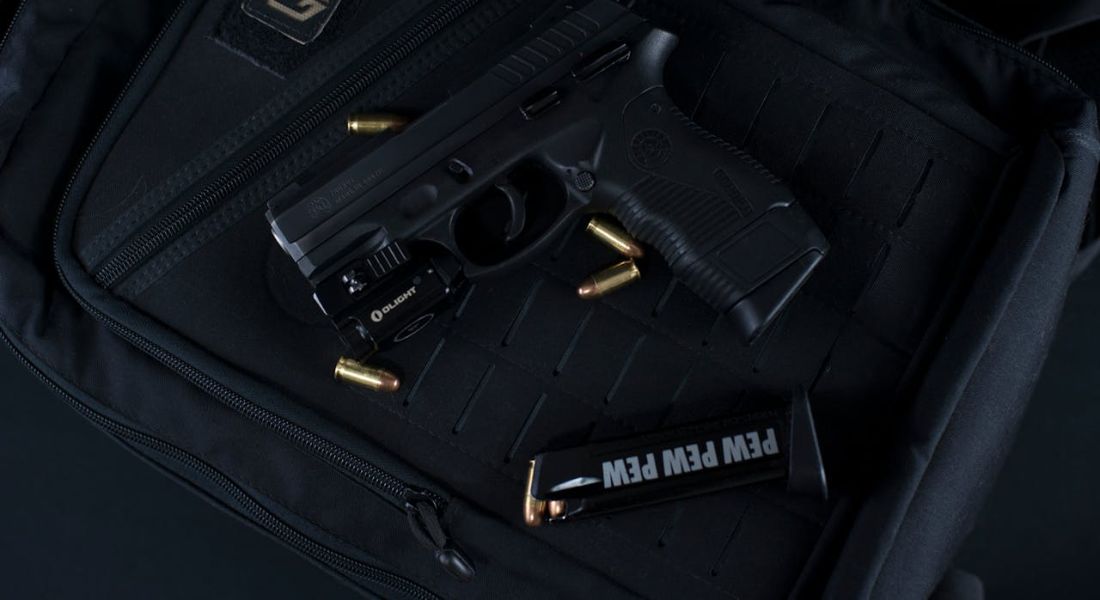
Shock absorption works by spreading energy across the case instead of letting it hit one point. This is where design matters. A rigid shell spreads force differently than soft padding. Surface protection also matters. Even small friction can damage finishes over time, especially when transporting firearm parts and accessories alongside the main weapon. Protection always comes down to energy transfer. When a case takes impact, the way it distributes or absorbs that force determines how safe the firearm stays.
Why Hard Cases are Built for Maximum Protection
Hard gun cases use rigid shells to protect firearms from impact and environmental exposure. These shells are usually made from polymer or composite materials. They do not bend easily, which helps maintain structural integrity under pressure.
One of the main hard gun case advantages is crush resistance. This becomes especially important when other gear or weight presses against the case during transport. If something heavy presses against the case, the outer shell absorbs and spreads the force. Inside, foam inserts hold the firearm in a fixed position. This prevents internal movement during transport.
Because of this design, hard cases are often seen as the best gun case for protection, especially when risk levels are high.
How Soft Cases are Built Differently
Soft gun cases rely on padding and flexible materials rather than rigid protection. They are usually made from fabric with foam lining inside. This gives them a lightweight and compact feel.
The main soft gun case benefits come from convenience. They are easier to carry, store, and handle. Many include shoulder straps or handles for quick movement. For range trips, this makes a big difference.
However, soft cases compress under weight. External pressure passes through the material more easily, especially when the case is compressed. This becomes a problem when stacking gear or during transport in tight spaces.
Impact Resistance and Drop Protection
Hard cases provide significantly better protection against drops and heavy impacts. When dropped, a rigid shell spreads the energy across its surface. This reduces the force that reaches the firearm inside.
Soft cases behave differently. They absorb some impact through padding, but they cannot prevent compression. If the case hits a hard surface or gets compressed, more force reaches the firearm.
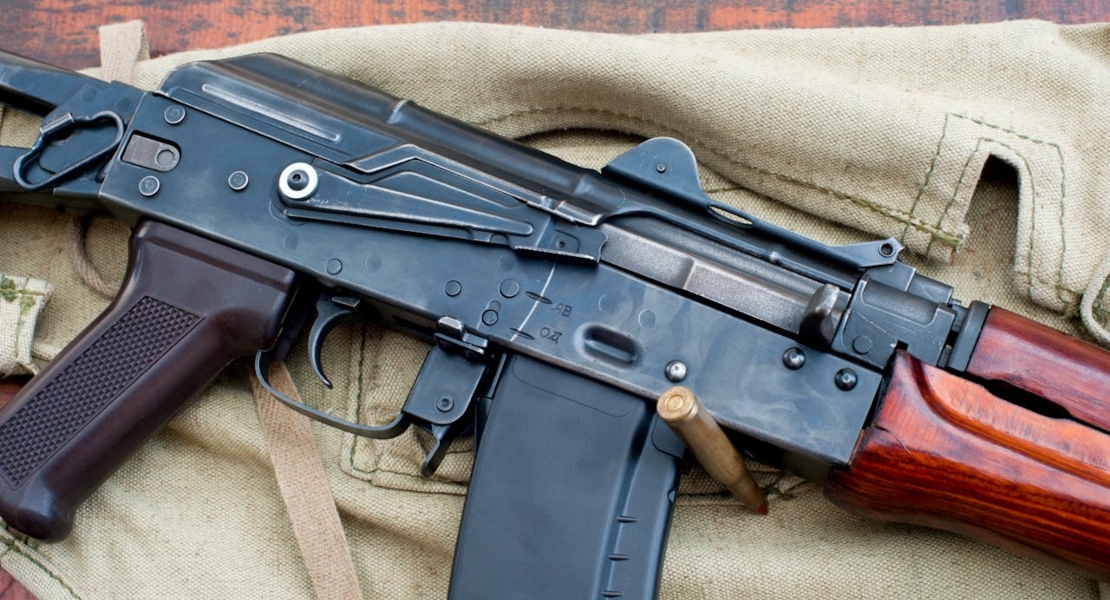
Internal movement also matters. Hard cases often lock the firearm in place. Soft cases allow slight shifting, especially if not packed tightly.
This difference becomes clear during transport. Whether moving rifles like those compared in AR-15 vs MP5, or storing different configurations, stability inside the case directly affects protection.
Protection Against Moisture and Environment
Hard cases offer better resistance to water and environmental exposure than soft cases. Many include sealed edges that prevent water from entering. This makes them suitable for outdoor conditions, flights, and long trips.
Soft cases do not provide the same level of sealing. They can actually trap moisture if stored improperly after use. Over time, this moisture becomes a bigger risk than a single exposure. It can lead to corrosion, especially on untreated surfaces. This becomes even more relevant when dealing with different finishes like Cerakote vs Nitride vs Parkerized, where moisture resistance varies depending on the coating.
Portability and Everyday Use
Soft cases are easier to carry and store, making them ideal for short-distance transport. They are lighter and more flexible. This makes them a strong option for local range visits.
If you are wondering when to use a soft gun case, the answer is simple. Use it for low-risk situations. For example:
- Transporting firearms to a nearby range
- Storing firearms in a controlled indoor space
- Carrying lighter setups without heavy accessories
Soft cases also work well when carrying multiple items like AK magazine types or small gear. They are easier to organize and move quickly.
Hard cases, on the other hand, are heavier and bulkier. They take more space and effort to carry. But they offer stronger protection.

Choosing the Right Case Based on Use
The right choice depends on how the firearm is transported and the level of protection required. This is where a clear gun case comparison helps. When comparing hard cases vs soft cases for guns, the level of protection always depends on how much impact and environmental exposure the firearm will face.
Hard cases are better for:
- Air travel and long-distance transport
- Harsh environments and outdoor use
- Situations where impact risk is high
Soft cases are better for:
- Short trips to the range
- Easy storage at home
- Situations where weight and speed matter
Choosing Based on Real Protection Needs
The debate around hard case vs soft case for guns comes down to how the firearm is handled during transport. Hard cases protect against pressure, impact, and environmental exposure. Soft cases offer convenience, lighter weight, and easier handling. Most issues appear when the level of protection does not match the situation. A soft case under pressure increases risk, while a hard case prevents it. The right choice depends on how the firearm is stored, moved, and exposed during use. Matching protection to real conditions reduces long-term damage and keeps your equipment in better shape.
FAQs
Is a hard case or soft case better for guns?
Hard cases provide stronger protection against impact and environmental exposure. Soft cases are better for convenience and short-distance use. The better option depends on how and where you transport your firearm.
Can a soft case damage a firearm over time?
Yes, in certain conditions. If the firearm shifts inside the case or is exposed to pressure, small movements can cause wear. Moisture trapped inside the case can also increase long-term risk if not managed properly.
Are hard gun cases waterproof?
Many hard cases are water-resistant or fully waterproof, depending on the design. High-quality models use seals and gaskets to block moisture. This makes them suitable for outdoor and travel use.
What is the safest way to transport a firearm?
Use a hard case with secure locking and proper internal support. Keep the firearm unloaded and stabilized inside the case. This reduces movement, impact risk, and exposure during transport.