



Gun Range Etiquette Every Gun Owner Should Know
Gun range etiquette refers to the shared behavioral standards that keep shooters safe in live-fire environments. It exists to reduce risk, prevent misunderstandings, and maintain access to ranges. Clear conduct matters because one person’s mistake can endanger others or lead to removal or bans.
Every shooting range operates as a shared, live-fire environment where awareness matters as much as skill. Gun range etiquette sets expectations that go beyond posted signs, helping shooters move, communicate, and handle equipment responsibly. When everyone follows the same standards, beginners learn faster, experienced shooters stay focused, and ranges remain safe, functional places to train.
What Gun Range Etiquette Means in Practice
In practical terms, gun range etiquette covers the everyday behaviors that keep a range safe and predictable, even when those behaviors are not written on a wall or spelled out in a handbook. Posted rules usually state what is allowed or prohibited. Etiquette fills the gaps by guiding how shooters move, communicate, and handle firearms around others. It sets expectations for timing, awareness, and restraint. This shared understanding protects everyone on the line, not just the person firing, because it reduces hesitation, confusion, and unsafe assumptions in an environment where live rounds are always present.
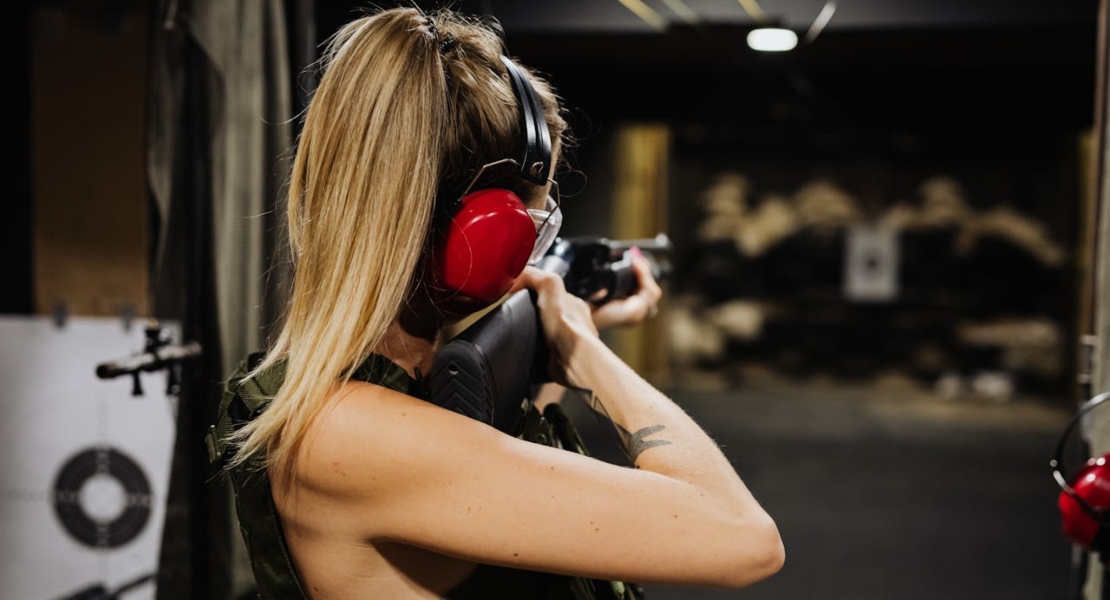
Core Gun Range Etiquette Rules You Must Follow
These expectations apply across almost every range and form the baseline of safe operation:
- Always maintain muzzle awareness
- Keep your finger off the trigger until ready to fire
- Obey cease-fire commands immediately
- Handle firearms only when the range is declared hot
- Stay behind the firing line unless instructed otherwise
These are not suggestions. They are operational necessities that allow multiple shooters to share space safely.
Common Gun Range Mistakes That Get People Removed
Most removals happen because of small actions that escalate risk very quickly. Ranges operate on trust, timing, and clear visual cues. When someone breaks those patterns, even briefly, staff have to act fast to protect everyone. The following issues account for the majority of ejections because they disrupt safe range flow and create uncertainty.
- Turning with a firearm in hand – This causes unintended muzzle sweeps across other shooters or staff. Even an unloaded firearm creates alarm and immediate safety concern.
- Touching firearms during a cease-fire – Cease-fire periods rely on total compliance. Any handling breaks trust on the line and forces range officers to stop all activity.
- Ignoring range officer instructions – Delayed or selective compliance slows response time during active shooting or emergencies and signals loss of control.
- Uncontrolled brass collection – Stepping forward or bending during live fire distracts others and introduces movement where none is expected.
- Unsafe casing or uncasing habits – Improper direction, rushed handling, or opening cases off the firing line increases the chance of negligent movement.
Together, these actions explain what the common mistakes at a shooting range are more clearly than posted warnings, because they show how quickly routine behavior can turn into a safety issue.
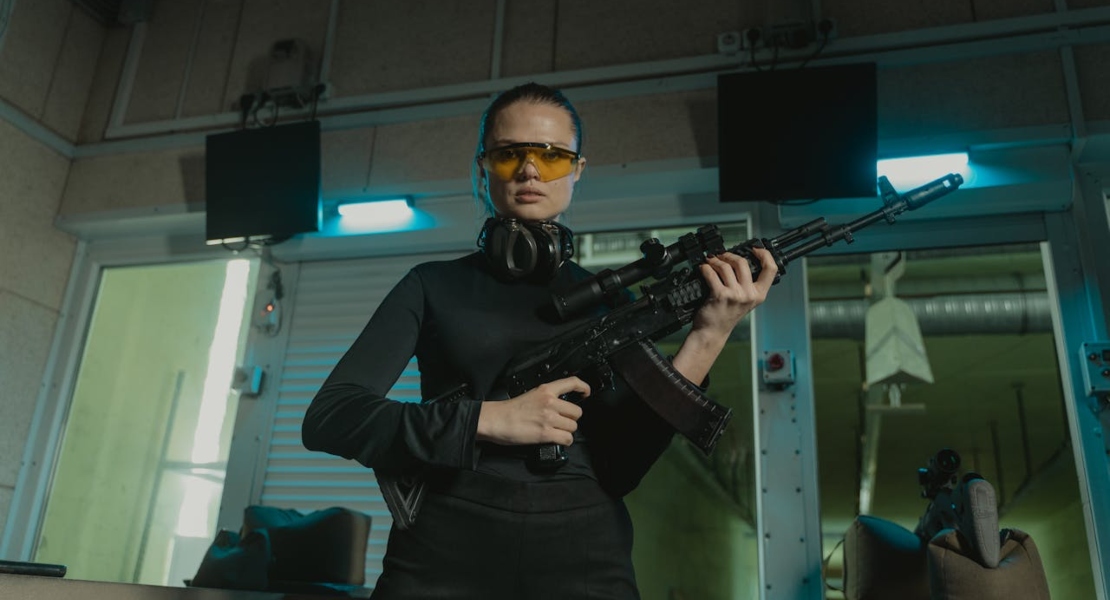
Indoor vs. Outdoor Gun Range Etiquette Differences
Indoor facilities demand tighter discipline due to noise, limited space, and ventilation systems. Their etiquette emphasizes strict lane control, controlled brass management, and clear communication.
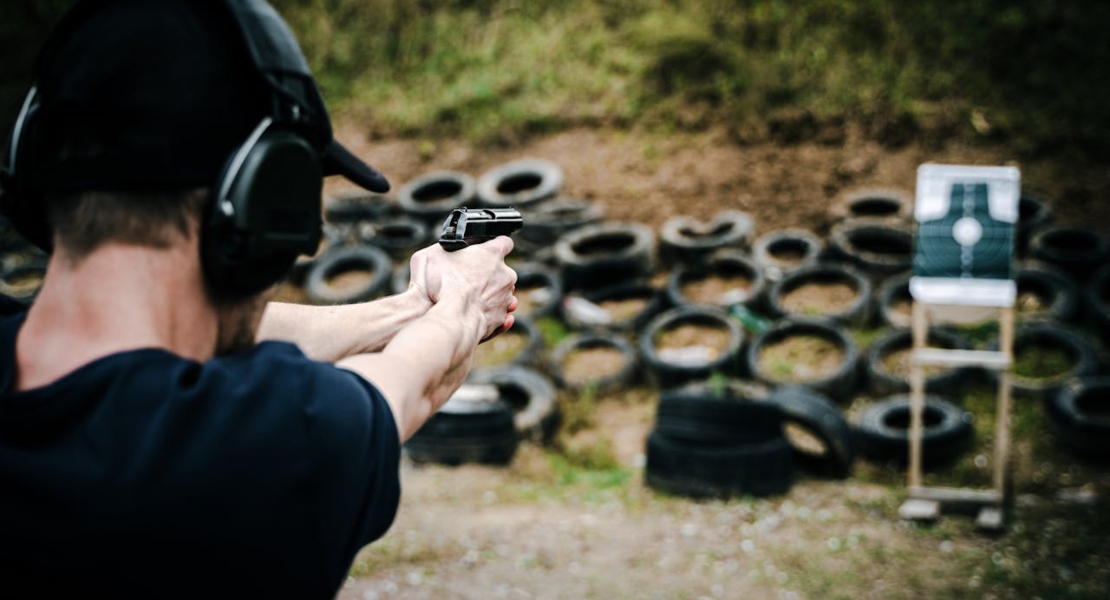
Outdoor ranges allow more space but still require attention to line commands and downrange movement. Understanding these differences helps answer how you should behave at an indoor gun range without confusion.
Gun Range Etiquette for Beginners
New shooters benefit most from asking questions early and signaling uncertainty before handling equipment. Watching experienced shooters helps, but do not interrupt their sessions. Shared lanes require awareness of timing and spacing. Gun range etiquette for beginners focuses on learning safely, not rushing performance, and recognizing that range staff is there to help, not judge.
How Range Officers Expect Shooters to Act
Range Safety Officers monitor multiple shooters at once and manage live-fire risk in real time. Immediate compliance matters because delays can affect everyone on the line. Clear, respectful communication helps range officers maintain control and prevent escalation. Shooters bringing modified equipment, including super safety, should notify staff in advance to confirm it complies with range policy and supervision requirements.
Etiquette Around Other Shooters
Courtesy on the firing line is about minimizing distractions and maintaining focus. Avoid unnecessary movement. Respect personal space. Handle malfunctions deliberately and quietly. When shooters bring specialized platforms or modified setups, awareness matters more. Equipment such as MP5 super safety systems may be subject to range-specific rules, so confirm approval with staff before you step up to the line.
Why Gun Range Etiquette Is About Safety, Not Politeness
Gun range etiquette functions as a risk-control system. Small behaviors prevent large incidents. Clear habits protect access to ranges and preserve community trust. Conversations around common firearm myths often ignore how disciplined behavior, not hardware, prevents accidents.
Proper maintenance also matters because you should clean your firearms to ensure reliable, predictable operation during live fire.
Quick Gun Range Etiquette Checklist
Before entering the range, confirm the following:
- You understand the current range status
- Your equipment complies with posted policies
- You know the cease-fire procedure
- You respect lane boundaries
- You are prepared to follow RSO instructions
This checklist helps avoid what not to do at a gun range without overthinking the process.
Responsible Shooting Starts With Proper Range Etiquette
Responsible shooting starts long before the first round is fired. Gun range etiquette reflects discipline, awareness, and respect for shared space. Following these standards protects access to ranges, builds trust between shooters and staff, and reduces preventable incidents. Skill matters, but consistent behavior matters more. A shooter who understands etiquette contributes to a safer, more professional range environment for everyone.
FAQs
What is proper gun range etiquette?
Proper etiquette means following both posted rules and shared behavioral expectations that keep everyone safe. It focuses on awareness, predictable movement, and immediate compliance in a live-fire environment.
What are common mistakes at a shooting range?
Most issues come from handling firearms at the wrong time, poor muzzle awareness, or ignoring staff instructions. These behaviors create uncertainty on the line and force range officers to intervene quickly.
Is gun range etiquette different indoors?
Yes. Indoor ranges require tighter control because of limited space, higher noise levels, and ventilation systems. Movement, firearm handling, and communication are usually more restricted.
Can beginners ask questions at a gun range?
Yes, and they are encouraged to do so before handling firearms. Clear questions and visible signaling of uncertainty help staff and other shooters maintain a safe, controlled environment.