


Gas Systems Explained: Direct Impingement vs Piston Systems
Direct impingement and piston gas systems both cycle AR-15 rifles using expanding gas. Differences appear in heat location, carbon buildup, weight balance, maintenance, and parts compatibility, with each system suited to different shooting environments and user priorities.
Few firearm topics create stronger debates than gas system design. Discussions around direct impingement vs piston setups often turn into opinion-driven arguments instead of technical comparisons. Conversations about upgrades and components, including topics like firearm super safety, often get mixed into these debates, even though they involve different parts of the platform.
From a mechanical perspective, both gas systems perform the same core job: using a portion of expanding gas from a fired round to cycle the rifle. The real differences come down to how gas energy moves through the system and where heat and residue build up during operation.
What a Gas System Does in Simple Terms
In a semi-automatic firearm like an AR-15 rifle, the gas system uses a small portion of the pressure created when a round is fired to cycle the action. When the bullet moves down the barrel, some gas is redirected through a small port. That gas energy helps push internal components rearward, which allows the spent casing to eject and the next round to load.
When people ask, “What is the difference between direct impingement and piston systems?” they are really wondering how gas energy is redirected and where heat and residue settle during operation.

Although the concept sounds simple, small engineering differences change how energy moves through the rifle. Those differences influence three main things:
- Where heat builds up during firing
- Where carbon residue collects over time
- How internal parts experience long-term stress
Even minor design adjustments can change cleaning frequency, component lifespan, and how the rifle feels during repeated firing.
Direct Impingement Explained
Direct impingement (DI) systems route gas from the barrel through a gas tube directly into the bolt carrier area. When the gas expands inside the carrier, it pushes the bolt carrier group rearward, cycling the action and preparing the next round. This design has been widely used for decades because it relies on fewer moving parts compared to alternative systems.
Many platform comparisons, especially in direct impingement vs piston AR discussions, focus on how gas location influences internal temperatures and fouling patterns. Because gas is vented inside the action, heat and carbon residue both collect in the bolt carrier group. During extended firing strings, internal component temperatures can rise above 250-300°F depending on firing pace and environment.
This leads many shooters to ask: “Does direct impingement run hotter and dirtier than piston systems?” In simple terms, heat and carbon are just concentrated in a different place, not necessarily at higher total levels. With proper lubrication, many modern DI rifles can operate for thousands of rounds before cleaning becomes necessary.
One major advantage of DI systems is platform standardization. The AR-15 ecosystem has decades of parts compatibility, making upgrades and replacements widely available across manufacturers. This large aftermarket support is one reason many owners choose DI setups when building or customizing rifles, especially when working with components like the super safety kit for AR-15 platform, which benefits from standardized carrier and trigger group compatibility.
Weight distribution is another factor. DI rifles usually have a more centered balance because they do not require additional piston hardware near the barrel. Even small differences, such as 200-400 grams, can change how a rifle feels during longer shooting sessions or rapid transitions.
Despite ongoing debates, DI remains common because it balances simplicity, weight, cost, and long-term parts availability in a way that works well for many shooters.
Piston Systems Explained
Piston systems redirect gas into a small cylinder near the front of the rifle. Gas pressure pushes a piston, which then transfers force back to cycle the action.
When comparing a piston vs direct impingement gas system, the main difference is where energy is transferred into the operating cycle. Because gas stays near the barrel area, heat and carbon usually remain outside the receiver. Internal components often run cooler, sometimes by 50-100°F, depending on firing patterns.
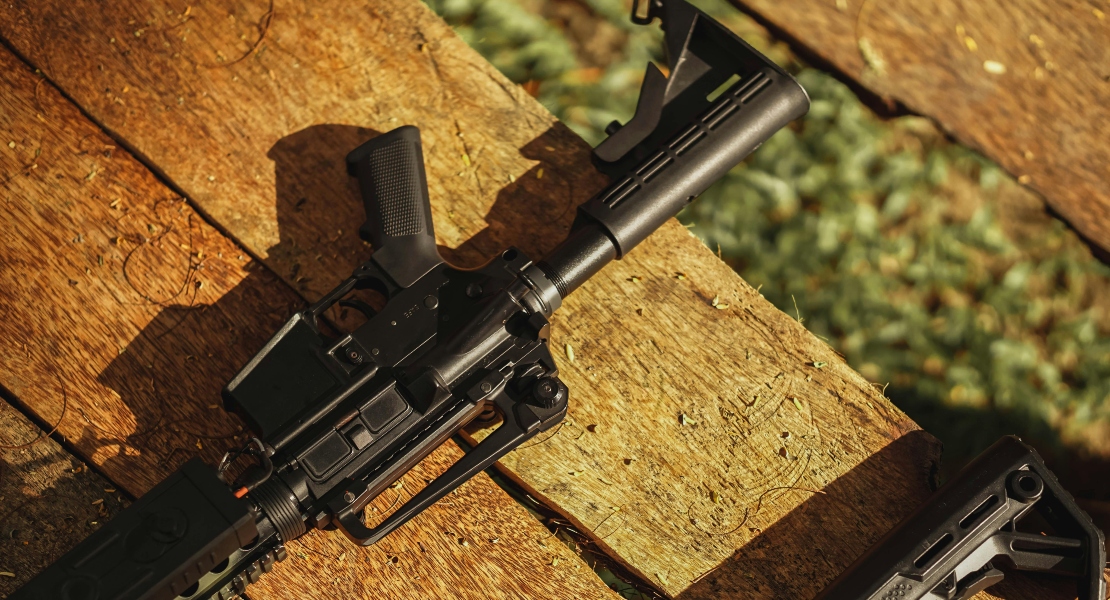
This does not mean that piston rifles stay clean overall. Carbon simply collects in a different location, usually inside the piston housing and gas block.
Piston systems add extra components, including operating rods, piston heads, and reinforced gas blocks. These added parts often increase front weight. Some piston rifles can be 0.5-1 pound heavier than comparable DI rifles.
Some shooters also ask: “Are piston AR-15s easier to maintain than DI rifles?” In practice, maintenance is just different, not eliminated. Piston assemblies still require inspection and cleaning.
Direct Impingement vs Piston
Comparing direct impingement vs piston side by side helps remove myths. Many buyers researching DI vs piston AR-15 setups focus on reliability, balance, and long-term parts support.
Heat behaves differently between designs. DI systems push heat into the bolt carrier group. Piston systems keep most heat near the gas block. Carbon buildup location also differs, with DI systems accumulating residue inside moving parts and piston systems shifting buildup forward.
When evaluating direct impingement vs piston pros and cons, reliability is heavily influenced by maintenance habits and environment rather than the gas system alone. Modern DI rifles can run thousands of rounds when lubricated correctly. Piston systems sometimes handle dust and debris better because less residue enters the receiver.
Weight and balance also matter. DI rifles often feel more centered, while piston rifles can feel slightly front-heavy due to additional hardware. Parts compatibility is another major factor. DI parts are widely interchangeable across brands, while some piston rifles rely on manufacturer-specific components.
Accuracy, Recoil Feel, and “Shootability” Myths
Accuracy debates around gas systems often get mixed with broader platform arguments, including questions like “why is AK accuracy so inconsistent,” even though those discussions involve completely different design factors. When comparing gas operation types inside the same platform, differences are usually much smaller than many shooters expect.
Another common debate asks: “Is direct impingement more accurate than piston systems?” In controlled testing, mechanical accuracy differences are often small, sometimes within 0.3-0.5 MOA, which is smaller than the variation many shooters see from ammunition differences alone.
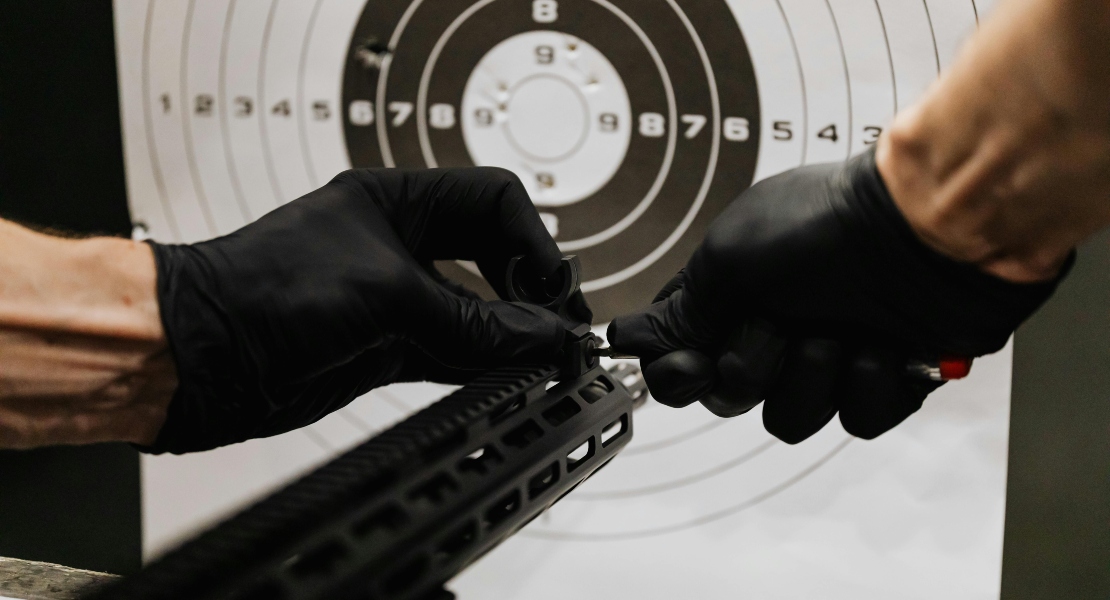
Direct impingement systems have fewer moving parts interacting with the barrel during cycling. Piston systems introduce additional moving components, which can slightly change recoil impulse timing and barrel harmonics. That does not automatically reduce accuracy. Many piston-driven rifles still produce sub-MOA groups with quality ammunition and consistent shooting technique.
Recoil feel differences usually come from how the internal mass moves during cycling rather than the total recoil force. In practical shooting, barrel quality, ammunition consistency, and shooter technique usually influence results far more than gas system choice.
Maintenance Reality Check
Both systems require cleaning and inspection. No semi-automatic rifle is maintenance-free.
DI systems often require more frequent cleaning because carbon enters working components. Piston systems can sometimes go longer between cleanings, but piston assemblies still require inspection.
Common long-term wear tends to appear in:
- Gas system components exposed to heat
- Bolt locking surfaces
- Springs losing tension after thousands of cycles
Over-cleaning can cause problems. Aggressive scrubbing and strong solvents can remove protective coatings and increase wear rates.
Cost and Long-Term Ownership Tradeoffs
Direct impingement rifles usually cost less due to simpler manufacturing and higher production volume. Entry DI rifles often start hundreds of euros lower than piston equivalents.
Piston rifles often cost more because of extra machining and added components. Lower production numbers also increase cost.
Long-term cost depends on parts availability. DI parts are easy to source globally. Some piston parts may require ordering from specific manufacturers, which can increase downtime if something breaks.
Who Each System Fits Best
Direct impingement often fits shooters who value simplicity and easy parts sourcing. It is common among range shooters and those who want lighter setups.
Piston systems often appeal to shooters who want reduced receiver fouling or who shoot in dusty environments.
Understanding direct impingement vs piston tradeoffs helps shooters match the system to their needs. The best choice depends on personal priorities, shooting style, and long-term maintenance expectations, rather than online debates or popular opinion.
Pick the System That Matches Your Priorities
Both direct impingement and piston systems work well when built correctly and maintained reasonably well. The biggest differences show up in heat distribution, residue location, weight balance, and parts ecosystem. For shooters evaluating DI vs piston AR-15 setups, considering factors like maintenance habits, firing conditions, and parts availability will lead to better results than following opinions or myths. Both systems can serve well; the key is picking the one that aligns with your shooting style, environment, and long-term ownership goals.
FAQs
What is the difference between direct impingement and piston systems?
Direct impingement routes gas into the bolt carrier to cycle the action. Piston systems use gas to move a piston that then pushes the carrier.
Is a piston AR more reliable than direct impingement?
Piston systems can perform well in debris-heavy environments, but modern DI systems also show strong reliability with proper lubrication.
Is direct impingement more accurate than piston systems?
DI systems sometimes show slightly higher mechanical consistency, but real-world differences are usually small compared to ammo quality and barrel manufacturing.