



Binary Trigger vs FRT: What’s the Difference?
A binary trigger fires once when you pull and once when you release, while a forced reset trigger (FRT) fires once per pull and uses the bolt carrier to force a fast reset. A super safety resets through the selector and also fires once per pull. All three are treated as semi-automatic federally, but many states ban binary triggers, FRTs or both.
Binary trigger vs FRT comes down to when the gun fires. A binary trigger fires once when you pull the trigger and again when you release it. A forced reset trigger (FRT) fires once per pull and uses the bolt carrier to push the trigger forward for a faster reset. A super safety does the same job as an FRT through the safety selector instead of the trigger group. All three are treated as semi-automatic under federal law, but many states ban one or more of them. If you’re comparing firearm parts and accessories for faster follow-up shots, the table below shows how they differ. The biggest practical difference is the release shot: only a binary trigger fires when you let go.
| Device | How it fires | Shots per pull-and-release | Price (Nov 10, 2026) | BCG needed | Release-shot cancel |
|---|---|---|---|---|---|
| Binary trigger (e.g. Franklin Armory BFSIII, Fostech Echo AR-II) | On pull and on release | 2 | $249.99 (BFSIII AR-C1 closeout) to $479.99 (Echo AR-II) | Check the maker’s specs | Yes, by moving the selector before releasing |
| Forced reset trigger (e.g. Rare Breed FRT-15L3, Partisan Disruptor) | On pull only; carrier forces the reset | 1 | About $300–450 | M16 / full-auto profile | Not applicable |
| Super safety (e.g. Redacted Arms Super Safety) | On pull only; reset through the selector | 1 | From $119.99 | M16 | Not applicable |
How Does a Binary Trigger Work?
A binary trigger fires one round when you pull the trigger and a second round when you release it. Each shot is a separate function of the trigger, which is why it’s treated as semi-automatic federally. Most binary triggers use a three-position selector: Safe, Semi and Binary. In Semi, the trigger works like any other semi-automatic trigger. In Binary, letting go of the trigger fires the second round.
You can cancel the release shot by moving the selector back to Semi or Safe while still holding the trigger. Franklin Armory, which holds patents on that selector and release-cancel design, lists the BFSIII AR-C1 at a 4.5 lb pull. The AR-C1 is now a discontinued closeout at $249.99 (list $429.99), and Franklin’s AR-ELITE replaces it. Fostech’s Echo AR-II sells for $479.99 and uses a similar Safe, Semi and Echo layout.
How Does an FRT Work?
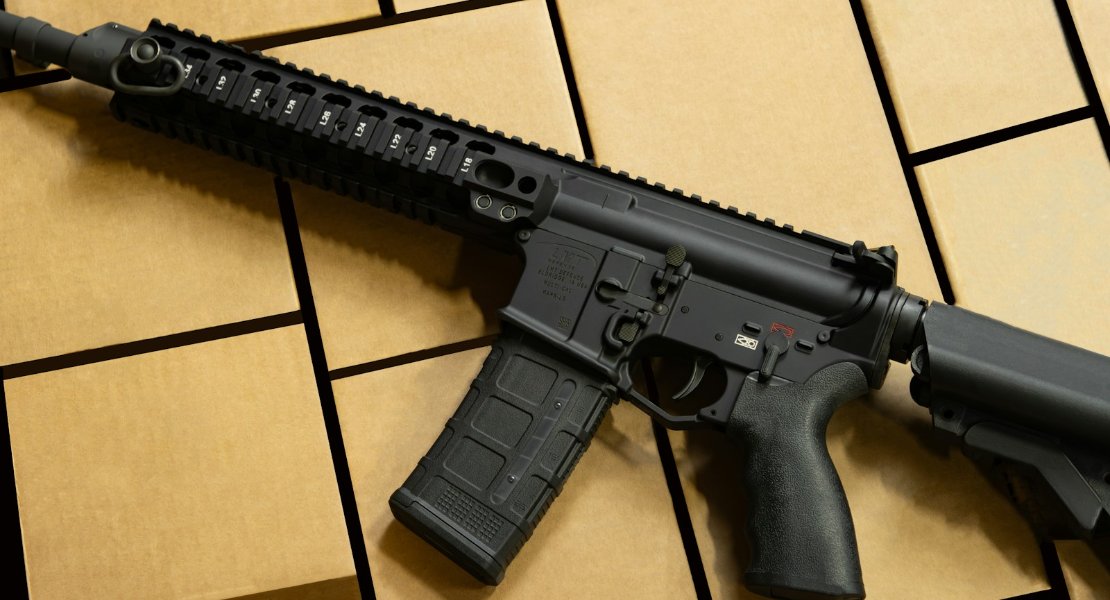
A forced reset trigger fires only on the pull. As the bolt carrier travels back, it drives the trigger forward to its reset point, and a locking mechanism holds it until the bolt is back in battery. If you keep forward pressure on the trigger, it fires again as soon as it’s released and pressed. Our guide to what an FRT trigger is explains the mechanism in detail.
Where Does a Super Safety Fit?
A super safety gets the same faster reset as an FRT, but through the safety selector instead of a replacement trigger group. You keep a trigger you choose, and like an FRT it fires once per pull. For the full mechanical comparison, see our breakdown of the super safety vs a forced reset trigger.
How Do They Feel to Shoot?
The three devices feel very different. A binary trigger feels like a normal trigger until you let go; the release shot takes practice to control, especially when you’re used to a standard trigger. An FRT pushes the trigger back into your finger hard and fast, and steady forward pressure is what keeps it running. A super safety feels similar to an FRT, with the reset coming through the selector. With all three, recoil management matters more than the device itself, so a good stance and grip are worth more than any trigger upgrade.
Which Is Faster: Binary Trigger or FRT?
There’s no reliable published test data comparing rates of fire, so be skeptical of any exact number. In practice, a binary trigger gets two shots out of one pull-and-release cycle, while an FRT and a super safety get one shot per pull with a much faster reset. How fast either one runs depends far more on the shooter, the ammo and the rifle’s tuning than on the device.
Is the Release Shot a Safety Risk?
It can be. With a binary trigger in Binary mode, letting go of the trigger fires a round, which catches new users off guard. Franklin Armory’s own instructions warn that improper use can cause an unintended discharge. The fix is training and the cancel feature: move the selector out of Binary before you release the trigger if you don’t want the second shot. That’s also why binary triggers are a poor choice for a defensive or hunting rifle. FRTs and super safeties don’t fire on release.
How Hard Are They to Install?
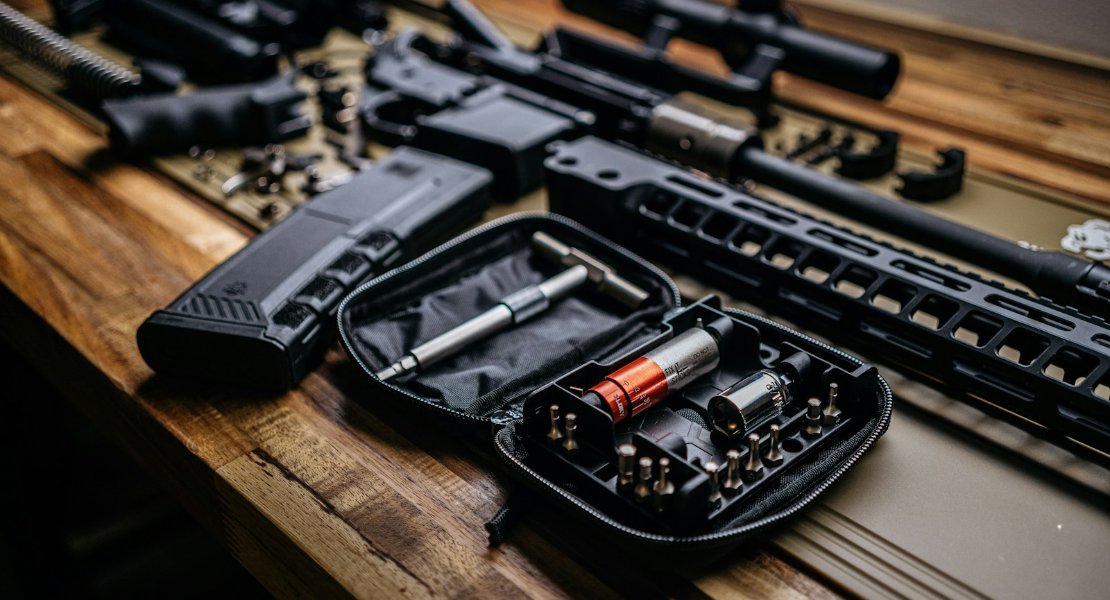
All three install in an AR-15 lower with basic tools, but the work differs:
- Binary triggers replace the trigger group and usually come with their own selector. Franklin Armory notes the BFSIII isn’t compatible with 80%, polymer or carbon-fiber lowers, so check your lower first.
- Cassette FRTs such as the FRT-15L3 drop in as a unit and are held with anti-walk pins.
- Super safeties replace the selector and work with a cut trigger, a straight trigger or a complete fire control group, depending on the kit.
Whatever you install, do a full function check with an empty rifle before live fire, and test with a few rounds loaded at a time until you’re sure it runs correctly.
Which Platforms Do They Fit?
Binary triggers are made for the AR-15, AK and some rimfire rifles such as the 10/22. Most FRTs are AR-15 only. The Super Safety line covers the AR-15, AK, MP5 and AR-9, which makes it the most flexible option if you own more than one platform. If you only own one AR-15, any of the three can work; if you own several rifles, choosing one system can save time on parts and setup.
What Do They Cost to Run?
The device is only part of the cost. FRTs and super safeties almost always need an M16-profile bolt carrier group and often an H2 or H3 buffer, which can add $100 or more if your rifle doesn’t already have them. Binary triggers vary by model, so check the maker’s specifications. All three also use ammunition faster than a standard trigger, simply because they make it easier to fire quickly. Budget for ammo before you budget for the device.
Are Binary Triggers and FRTs Legal?
Federally, binary triggers are treated as semi-automatic based on ATF classification letters, and forced-reset triggers for rifles are no longer treated as machine guns after a 2024 court ruling and a 2025 Department of Justice settlement. State law is different. According to published state-law trackers, binary triggers are banned in California, Colorado, Connecticut, Delaware, Hawaii, Illinois, Maryland, Massachusetts, New Jersey, New York, Oregon, Rhode Island and Washington. Minnesota’s binary trigger ban was struck down in 2025. Many of the same states also ban FRTs and other devices that increase the rate of fire. Check your state’s current statute before you buy. This is not legal advice.
Can You Use a Binary Trigger or FRT in Competition?
Generally, no. USPSA’s multigun rules (section 5.1) prohibit binary triggers, forced reset triggers and similar systems. Using binary fire draws a procedural penalty the first time and disqualification after that. Check your match’s rulebook before you bring a reset device to a match.

Which Should You Choose?
- Choose a binary trigger if you want two shots per pull-and-release cycle, you’re comfortable training around the release shot, and binary triggers are legal in your state.
- Choose an FRT if you want a fast reset in a single drop-in cassette and don’t mind replacing your trigger group.
- Choose a super safety if you want the same fast reset, want to keep a trigger you choose, or shoot more than one platform such as AR-15, AK, MP5 or AR-9.
If you’re still unsure, think about where the rifle will be used. A range-only rifle can carry any of the three where they’re legal. A rifle that also serves for hunting or home defense is better off without a release shot. Whichever you pick, buy from the manufacturer or an authorized dealer, keep the factory parts you remove, and note when you installed the device in case you need warranty support later.
Pick the Reset System That Fits How You Shoot
The binary trigger vs FRT question is really a question about the release shot and your state’s laws. If you want a fast reset without a release shot, the Redacted Arms Super Safety with cut trigger works with a trigger you choose and comes with a lifetime warranty. Shop the Super Safety, or contact Redacted Arms LLC to find the right kit for your rifle.
FAQs
Is a binary trigger an FRT?
No. A binary trigger fires on both the pull and the release of the trigger, while a forced reset trigger fires only on the pull and uses the bolt carrier to push the trigger forward. They are different mechanisms with different legal treatment in some states.
Which is faster, a binary trigger or an FRT?
There is no reliable published data comparing their rates of fire. A binary trigger gets two shots per pull-and-release cycle, while an FRT gets one shot per pull with a very fast reset, and actual speed depends mostly on the shooter, ammo and rifle tuning.
Can you cancel the second shot on a binary trigger?
Yes, on most models. On triggers like the Franklin Armory BFSIII and Fostech Echo AR-II, you can cancel the release shot by moving the selector out of binary mode while still holding the trigger back.
Are binary triggers legal in every state?
No. Published state-law trackers list binary trigger bans in California, Colorado, Connecticut, Delaware, Hawaii, Illinois, Maryland, Massachusetts, New Jersey, New York, Oregon, Rhode Island and Washington. Check your state's current law before buying; this is not legal advice.
Do binary triggers need an M16 BCG?
Requirements vary by model, so check the maker's specifications. Forced reset triggers and super safeties almost always need an M16 or full-auto profile bolt carrier group.
Are binary triggers allowed in competition?
Generally not. USPSA multigun rules prohibit binary triggers, forced reset triggers and similar systems, with a penalty for the first use of binary fire and disqualification after that.