



Beginner’s Guide to the Best AR-15 Upgrades
Start with upgrades that boost safety and consistency for beginners: red-dot optic first, then a two-point sling, compact weapon light, and reliable magazines. Add a trigger, stock, and grip later. Skip early gas/buffer changes. Test each upgrade at home and at the range.
Building confidence with an AR-15 does not start with flashy parts or complicated changes. It starts with super safety – smart, practical improvements that make the rifle easier to use, safer to handle, and more consistent at the range. For new owners, the goal is simple: improve function first, comfort second, and only then think about refinement. This guide walks through the best AR-15 upgrades in a clear order, focusing on what actually helps beginners and what can wait.
The best AR-15 Upgrades in Order
The right upgrade at the right time makes learning easier and shooting more consistent. These are the best AR-15 super safety upgrades in order to build a reliable setup from the ground up.
Upgrade 1: Optic
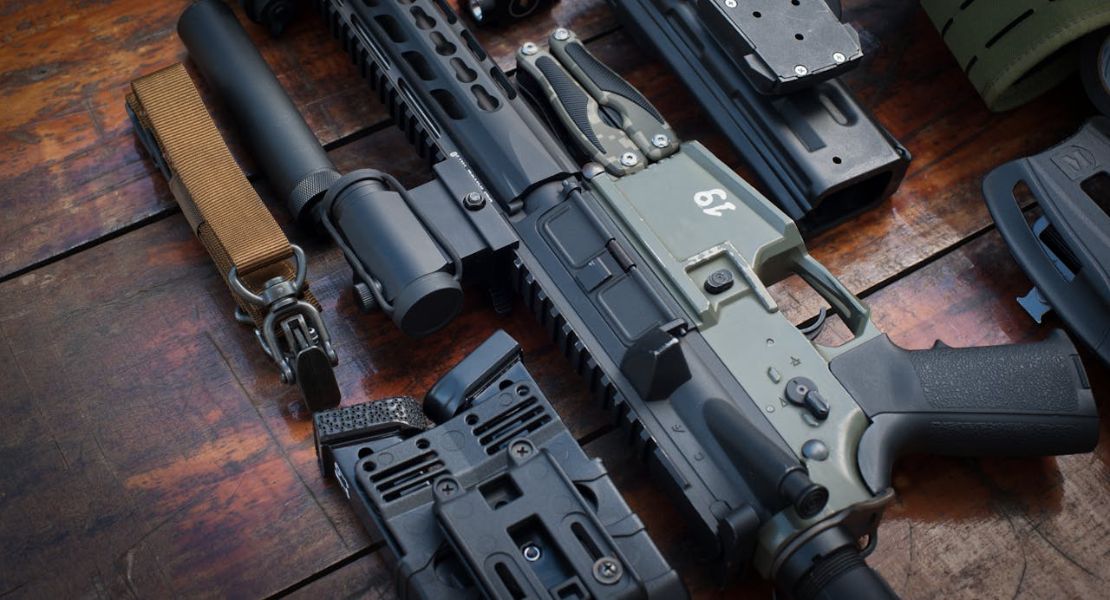
An optic is often the first upgrade because it directly affects how quickly and confidently you can aim. While iron sights work, they require more focus and alignment, which slows new shooters down. A good optic simplifies the process and helps build consistency early.
For beginners, a basic red dot is the best place to start. It keeps things intuitive and allows you to focus on fundamentals like stance, grip, and trigger press instead of sight alignment. Look for a model with solid battery life, a clear dot, and a proven reputation for holding zero.
A common mistake is buying the cheapest optic available or overcomplicating things with magnified optics too soon. Another frequent issue is poor mounting. The optic should sit securely on the receiver, not bridged onto the handguard, and should be positioned so you can see the dot naturally when you shoulder the rifle.
Upgrade 2: Sling
A sling is often overlooked, but it plays a major role in how you handle and control the rifle. It supports safe movement, helps with retention, and gives you a way to rest the rifle without setting it down.
A simple two-point adjustable sling works well for most beginners. It allows the rifle to hang securely against your body while still being easy to bring back into action. Adjust it once so the rifle sits comfortably across your chest or side, then avoid constant tweaking.
New shooters sometimes choose overly complex sling setups or mount them incorrectly. Keep attachment points simple and make sure the sling does not interfere with controls or block access to the charging handle.
Upgrade 3: Light
A weapon-mounted light is about identification, not brightness alone. If you plan to train in low-light conditions or keep the rifle for home defense, a light becomes a safety requirement rather than an optional accessory.
The key is placement. The light should be mounted where your support hand can activate it without shifting grip or breaking control. It does not need to be oversized or extremely powerful. Reliability and ease of use matter more than raw output.
Many beginners add a light too early without testing how it affects balance. Extra weight at the front of the rifle can increase fatigue. Choose a compact light and confirm it stays secure under recoil.
Upgrade 4: Magazines
Magazines have a bigger impact on reliability than most people expect. Feeding issues, failures to lock back, and inconsistent cycling often come from worn or poorly made magazines rather than the rifle itself.
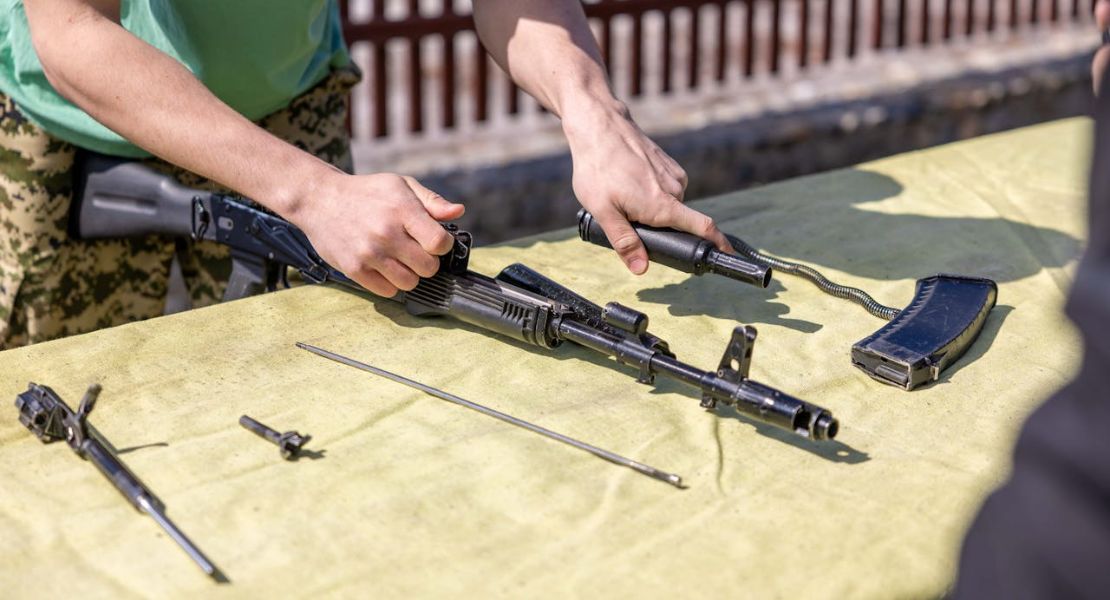
Stick with proven brands and avoid unknown options that look good but lack testing. Once you have a few reliable magazines, test each one during live fire and mark them so you can track performance over time.
What to check when evaluating magazines:
- Consistent feeding through a full load
- Proper lock-back on empty
- No cracks, weak springs, or bent feed lips
A small investment in good magazines saves time, ammo, and frustration at the range.
Upgrade 5: Trigger
Triggers, such as the milspec Ar-15 trigger, can improve precision, but timing matters. A smoother or lighter trigger helps once you already have good control and understand how the rifle responds.
If you shoot regularly and notice that the trigger is holding you back from consistent groups, an upgrade may make sense. Until then, the standard trigger is usually enough for learning fundamentals.
Upgrading too early can mask poor habits. A lighter trigger does not correct bad technique and can even make mistakes harder to diagnose. If your shooting feels inconsistent, focus on practicing your shooting skills before parts.
Upgrade 6: Stock and Grip
Fit and comfort play a large role in long-term use. A stock that adjusts properly and a grip that feels natural can reduce fatigue and improve control during longer sessions.
These upgrades should solve real comfort issues, not just change appearance. A better-fitting stock helps with the length of pull and cheek weld. A grip should allow a relaxed, repeatable trigger press without strain.
Avoid choosing parts based only on looks. Many visually appealing stocks and grips add weight or change balance without improving function. If the rifle handles worse after the change, it is not an upgrade.
Upgrades to Skip Early
Some modifications for Ar-15 rifles are popular online but offer little benefit for new shooters. Skipping them early helps keep the rifle reliable and your learning process clear.
Chasing small recoil reductions often leads to unnecessary changes. Proper grip, stance, and ammo selection usually provide more noticeable improvement. Changing the gas system without a clear reason can also introduce reliability issues that are difficult to diagnose.
Doing multiple upgrades at once is another common mistake. When something goes wrong, it becomes hard to identify the cause.
Early upgrade mistakes to avoid:
- Swapping buffers or gas parts without a problem to fix
- Adding several new components before testing
- Copying advanced builds without matching experience
How to Test Your Upgrades
Testing is where upgrades earn their place. Every change should be followed by simple checks before relying on the rifle.
Start with a basic function check at home. Confirm that the safety engages correctly, the trigger resets as expected, and the bolt cycles smoothly. This catches obvious issues early.
At the range, use a simple checklist. Zero your optic, test each magazine, and confirm that lights and controls work under recoil.
This process ensures that the best AR-15 upgrades actually improve performance instead of creating new problems.
Building a Reliable AR-15 the Smart Way
Upgrading an AR-15 does not require chasing trends or copying other builds. It requires understanding what improves usability, safety, and consistency for your experience level. Start with an optic, add control tools like a sling and light, and only then explore comfort and refinement. When chosen carefully and tested properly, the best AR-15 upgrades make the rifle easier to run, easier to trust, and more enjoyable to train with over the long term.
FAQs
What should I upgrade first on an AR-15?
Start with an optic. A simple red dot improves aiming speed and consistency right away. A sling is usually the next smart upgrade for better control and safe handling.
What upgrades improve accuracy the most?
An optic provides the biggest accuracy improvement for most shooters. A trigger can help later, but only after solid fundamentals. Practice and ammo choice still matter more than parts.
What upgrades improve reliability the most?
Quality magazines make the biggest difference. Most feeding issues come from bad mags, not the rifle. Keeping internal parts stock also helps maintain reliability.
What should I not upgrade on a new AR-15?
Avoid changing the gas system or internal components early. Skip small recoil tweaks and do not upgrade multiple parts at once, as that complicates troubleshooting.