



Barrel Length Explained: Accuracy, Velocity, and Handling
Barrel length influences how long expanding gases accelerate a bullet, shaping velocity potential and dwell time inside the bore. It can affect practical accuracy through vibration behavior and sight radius, and it changes handling by altering balance, inertia, and maneuverability.
Many shooters talk about barrel length as if it dictates performance by itself. The reality looks more layered. Mechanics set boundaries, yet people add technique, fatigue, and expectations. Confusing those layers fuels claims that sound precise but miss context. Discussions about barrel length sometimes drift into shopping or platform debates. If you’re browsing firearm parts and accessories, keep the physics in view, since length interacts with pressure curves, vibration, and balance rather than acting as a standalone “upgrade.” This guide separates mechanical effects from shooter perception. It explains how accuracy, velocity, and handling connect without becoming identical.
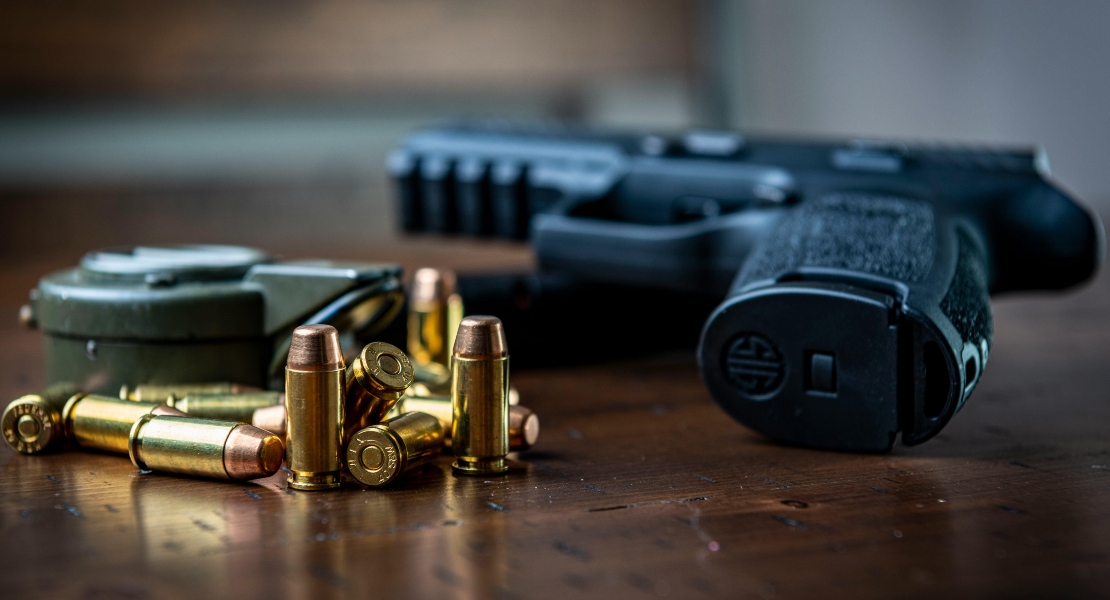
What Barrel Means in Mechanical Terms
A barrel is a tube with a bore that guides a bullet. When a cartridge ignites, pressure rises behind the bullet and accelerates it forward. The tube’s length defines how far the push can act. Think of the bore as a time-and-pressure system. The bullet gains speed while gas pressure exceeds friction, engraving resistance, and other opposing forces.
Length alone never guarantees a result. Pressure drops as volume expands behind the bullet. Powder burn rate, bore friction, and gas leakage shape the pressure curve. Barrels also vibrate when pressure rises, and the bullet travels. The muzzle moves in tiny arcs called harmonics. The bullet exits at a specific moment within that motion, while small changes in load, temperature, or fouling can shift exit timing. Length influences the vibration pattern, yet quality and consistency matter more than size.
Fouling can shift friction and exit timing, so test notes make more sense when you control basic variables like lubrication and maintenance; you should clean your firearms on a schedule that matches round count and conditions.
How Barrel Length Affects Bullet Velocity
How barrel length affects bullet velocity starts with dwell time inside the bore. More travel can mean more acceleration time, so average speed can rise. That trend has limits. As pressure falls, extra length yields smaller gains because the gas does less work per additional inch.
Cartridges respond differently because their pressure curves differ. Fast-burning powder peaks early, so it completes most work sooner. Slower powder can sustain pressure longer, so it keeps adding speed farther down the bore, which shapes the link between barrel length and velocity. How barrel length changes velocity also depends on venting. Gas-operated designs bleed pressure at a port, and that timing can reduce late-bore acceleration.
Platform comparisons can be useful for context, including AR-15 vs AK-47, but barrel-length effects still come back to pressure curve, dwell time, port timing, and balance.
How Barrel Length Influences Accuracy
The question of whether barrel length affects accuracy needs two answers: one mechanical, one human. Mechanical accuracy relates to how consistently the system launches the bullet. Consistency depends on uniform pressure, stable lockup, and repeatable barrel vibration. A longer tube does not automatically improve any of those factors. It can even add surface area for small imperfections and extend the time window for vibration to evolve, even when barrel length and accuracy rise together.
Human input covers sight alignment, trigger control, and follow-through, but do not forget to clean your firearms. When a sighting system uses a front and rear reference on the barrel, a longer sight radius can reduce angular error for the same misalignment. That can help with practical precision. Optics and other sighting setups shrink the role of sight radius.
Barrel Length and Handling Characteristics
How barrel length affects handling comes down to balance, inertia, and the way the system moves during aiming. If you wonder whether a longer barrel is easier to handle, it is true that a longer barrel usually puts more mass forward. That forward mass can slow start-and-stop motion, which some people experience as steadier tracking. The same mass can make quick direction changes harder during rapid transitions.
In confined spaces, extra length changes how easily the muzzle clears obstacles. The difference shows up in doorways, vehicle interiors, and tight ranges. Shorter barrels can feel quicker because the center of mass sits closer to the hands. Still, quick does not always mean controlled. Grip, stance, and practice shape what a person perceives as manageable.
Short vs Long Barrels: Trade-Offs, Not Winners
Short barrels often give up some velocity potential because the bullet spends less time under useful pressure. They can also change blast perception because more pressure exists at the muzzle. Longer barrels can recover more energy from the gas, yet they can feel slower during rapid transitions. Platform-specific setups and configurations, including an MP5K parts kit, add their own constraints on balance and movement, so handling comparisons work best when you define the use case.
Short vs long barrel handling differences often come down to leverage. A longer front end increases moment of inertia, so it resists wobble but also resists quick steering. A shorter front end lowers that inertia, so it starts moving sooner and stops sooner, yet it may reveal small tremors more clearly. Whether a longer barrel is easier to handle or not depends on the task. Slow, deliberate aiming may feel steadier.
Why barrel length effects vary by cartridge and design
Internal ballistics depend on the pressure curve created by powder type, charge weight, and bore volume. Designers tune some cartridges for compact platforms with early pressure peaks. That approach delivers predictable output in shorter tubes. Other cartridges assume more bore volume, so they may gain more from added travel.
Design choices also include rifling twist, bore diameter tolerances, and how gas vents in semi-automatic systems. Gas port location changes timing, which can alter recoil feel and cycling behavior. Muzzle devices and ammunition variation interact with those choices, too.
Common misconceptions about barrel length
“Longer always means more accurate” confuses sighting comfort with mechanical consistency. A longer tube can help some shooters hold steadier, yet precision still depends on repeatable launch conditions. “Short barrels are uncontrollable” mixes recoil perception with weak fundamentals. Control grows from grip, stance, and training as much as geometry. “Velocity increases endlessly with length” ignores diminishing returns.
A better approach treats length as one variable inside a system. That mindset helps you interpret results without turning one dimension into a universal explanation. It also supports calmer discussions, since it replaces slogans with cause-based reasoning.
Key factors in barrel length
Use this checklist as a fast reference when you compare test notes or range observations. Each item reflects a mechanism you can trace, not a hype-driven claim:
- Velocity potential through time under pressure
- Consistency through vibration behavior and dwell characteristics
- Balance through forward mass and leverage
- Maneuverability in tight spaces and around obstacles
- Recoil perception through timing, blast, and movement cues
Understanding barrel length helps interpret performance, not define it
You can read test results with confidence when you understand what mechanics can and cannot explain. Physics sets boundaries, yet training and context fill in the rest. Evaluate the complete system and the conditions around it, rather than one dimension. Challenge bold claims online that blame everything on a single measurement you see. Clear thinking starts with interaction between parts. With that mindset, barrel length becomes a tool for interpretation, not a shortcut to certainty.
FAQs
Does barrel length affect accuracy?
Barrel length can influence practical precision through sight radius and vibration behavior. A longer tube does not automatically improve mechanical consistency, but it can change how the muzzle moves during bullet exit and how easily a shooter aligns sights.
How much velocity does barrel length add?
Velocity often increases as barrel length grows, but gains diminish as pressure drops behind the bullet. Chronograph data commonly shows measurable increases per inch early on, followed by smaller returns once the powder’s energy is mostly expended.
Is a longer barrel harder to handle?
A longer barrel shifts mass forward, increasing moment of inertia. That can slow rapid directional changes but may feel steadier during deliberate aiming. Handling differences depend on balance, environment, and intended use.
Why do different calibers respond differently to barrel length?
Cartridges use different powder burn rates and pressure curves. Some peak early and gain little from added length, while others sustain pressure longer and benefit more from extended bore travel.