



AR-15 Upper vs Lower Receivers: What Each One Does
The AR-15 separates its core functions between two receivers. The upper receiver contains the barrel, bolt carrier group, and gas system that manage chamber pressure and cycling. The lower receiver houses the trigger assembly, buffer system, and serialized component that control firing input. Together, they form a mechanically interdependent system dividing pressure management from firing control.
The AR-15 platform emphasizes modularity by splitting its structure into two receiver assemblies: the upper and the lower. Each performs distinct roles in the firing cycle: the upper manages combustion pressure and projectile direction, while the lower controls user input and firing sequence. This two-part design allows for easy replacement of firearm parts and accessories and reconfiguration of components. In any AR-15 upper vs lower discussion, misunderstandings typically arise from mixing mechanical and legal terms. This article clarifies the functional differences between the two receivers and explains how their roles fit together within the AR-15 system.
What the AR-15 Upper Receiver Does
The AR-15 upper receiver contains the barrel, bolt carrier group, and gas system. It manages chamber pressure, directs the projectile, and converts expanding gas into mechanical movement to cycle the action. Without the upper receiver, the rifle cannot chamber, fire, extract, or cycle ammunition.
In any AR-15 upper vs lower comparison, the distinction begins with pressure management. The upper receiver contains combustion forces exceeding 50,000 psi in standard 5.56 NATO loads and converts that energy into rearward bolt movement.
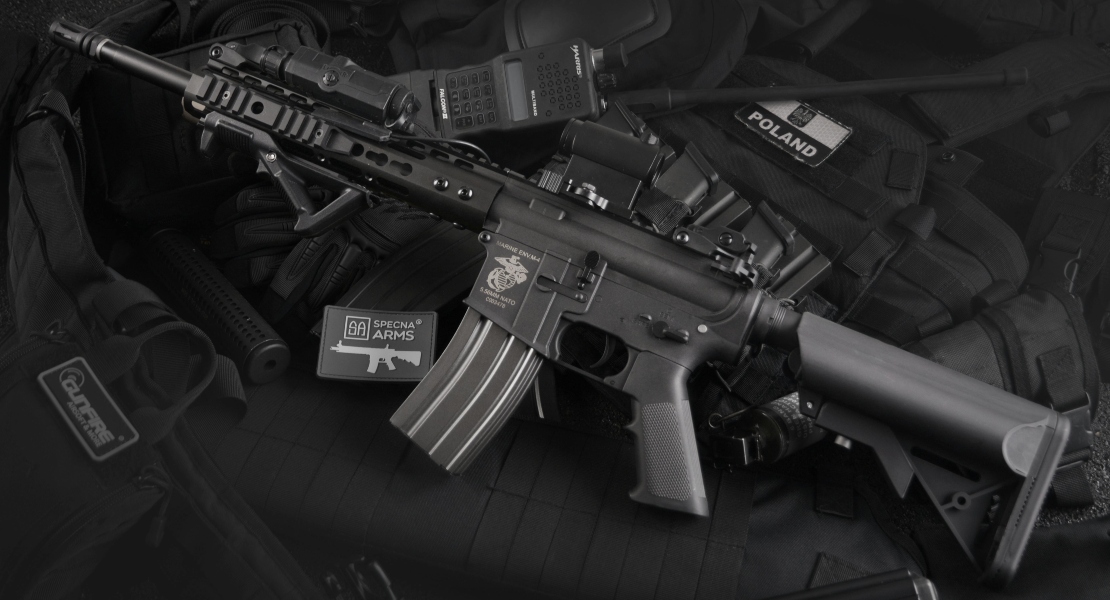
For those asking, “What does the AR-15 upper receiver do?” it:
- Houses the barrel
- Contains the bolt carrier group (BCG)
- Directs gas to cycle the action
- Guides extraction and ejection
- Provides mounting space for optics and iron sights
Without the upper receiver, the system cannot chamber, fire, extract, or cycle ammunition.
Key Components Inside the Upper Receiver
To answer the question, “What does the upper receiver contain?” focus on the components that manage pressure and cycling within the assembly.
- Barrel – Houses the chamber and rifled bore, directing and stabilizing the projectile.
- Bolt Carrier Group (BCG) – Contains the bolt, firing pin, cam pin, and carrier; locks during firing and cycles rearward to extract and eject the casing.
- Gas Tube or Piston System – Channels expanding gas to drive the bolt carrier rearward and begin cycling.
- Charging Handle – Allows manual retraction of the bolt carrier group.
- Forward Assist (if present) – Helps manually seat the bolt into full lockup.
- Dust Cover – Protects the chamber and bolt area from debris when closed.
These parts coordinate ignition, unlocking, extraction, ejection, and chambering in fractions of a second.
What the AR-15 Lower Receiver Does
The AR-15 lower receiver houses the trigger assembly, safety selector, magazine catch, bolt catch, and buffer system. It controls firing input, regulates reset timing, and manages recoil return through the buffer assembly. It does not contain chamber pressure but determines when the rifle discharges.
Unlike the upper, the lower does not contain chamber pressure. Its job is control: trigger release, reset, magazine retention, and recoil return through the buffer system.
For those asking, “What does the AR-15 lower receiver control?” it governs:
- Housing the trigger assembly (controls pull and release)
- Releasing the hammer to strike the firing pin
- Containing the safety selector (blocks trigger movement)
- Securing the magazine for consistent feeding
- Anchoring the buffer system (absorbs and returns recoil energy)
- Serving as the serialized component under federal law
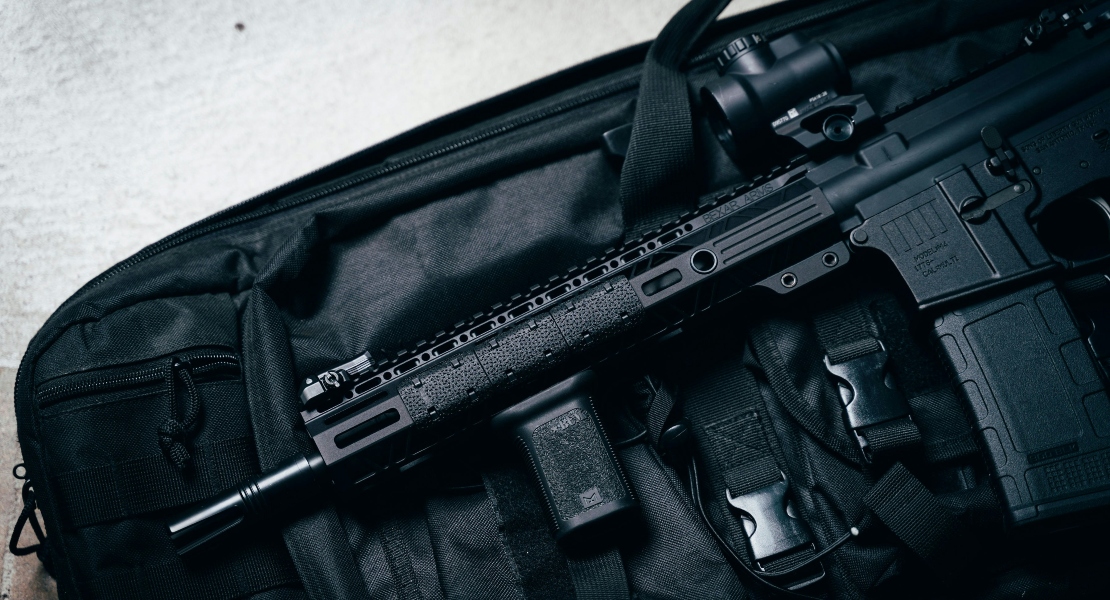
When the trigger is pressed, the hammer strikes the firing pin in the upper assembly. After discharge, the buffer compresses and drives the bolt carrier group forward to chamber the next round.
Key Components Inside the Lower Receiver
When examining what parts are in the lower receiver, the following components define its operation:
- Trigger Group – Includes trigger, springs, and sear surfaces. Standard pull weights commonly range between 5.5 and 8.5 pounds. Some AR15 super safety systems modify trigger reset but interface with standard fire control components.
- Hammer – Strikes the firing pin during discharge.
- Disconnector – Captures the hammer during cycling to ensure proper reset.
- Safety Selector – Blocks trigger movement when engaged.
- Magazine Catch – Secures the magazine in position.
- Bolt Catch – Locks the bolt open after the last round.
- Buffer Tube and Recoil Spring – Absorb rearward bolt carrier movement and return it forward.
Many shooters assume recoil is “in the lower.” In practice, recoil impulse originates in the upper during combustion; the buffer system only manages rearward energy transfer.
How the Upper and Lower Work Together
In a functioning AR-15 rifle, the upper and lower receivers operate as a unified mechanical system. The upper manages combustion and cycling, while the lower regulates firing input and recoil return. Energy generated in the upper transfers into the buffer system housed in the lower, completing the firing cycle. They connect through front and rear takedown pins, which maintain structural alignment while allowing separation for cleaning and maintenance.
The cycle unfolds in sequence:
- Trigger release (lower).
- Hammer strikes the firing pin (upper interaction).
- Combustion drives the bolt carrier rearward (upper).
- Bolt carrier compresses buffer spring (lower).
- Spring returns carrier forward (energy transfer back to upper).
- Disconnector resets hammer (lower).
This mechanical exchange illustrates why neither assembly operates independently during live fire.
Why the Lower Receiver Is Considered the Firearm
Under U.S. federal law, the lower receiver is classified as a regulated firearm because it contains the serial number and fire control housing. While both receivers are mechanically required for operation, legal transfer and identification requirements apply to the lower receiver.
Because it houses the fire control group and identifying information, it is typically transferred through a licensed dealer. Another frequent question is “Is the lower receiver the actual firearm?” Legally, it is treated as such. Mechanically, both receivers are required for operation, but federal classification assigns firearm status to the lower.
The upper receiver generally does not have a serial number and is not regulated in the same way under federal law.
Modularity and Compatibility Considerations
The AR-15’s modular design allows caliber and configuration changes by swapping the upper while retaining the same lower, provided components are compatible.
Important factors include:
- Mil-spec versus proprietary dimensions
- Buffer weight matched to caliber
- Gas system length
- Receiver tolerance fit
Since the serialized component is the lower, the barrel length, handguard style, and caliber can be changed through the upper assembly. Proper matching ensures reliable and safe cycling.
Common Misconceptions About AR-15 Receivers
Several myths around AR-15 receivers deserve mechanical clarification.
- “The upper is just a barrel holder.” – Incorrect. It contains the locking system, manages chamber pressure, and drives the cycling process.
- “The lower controls recoil.” – Misleading. The buffer system absorbs rearward energy, but recoil originates from combustion in the upper.
- “Both halves are universally interchangeable.” – Not always. Differences in tolerances, pin dimensions, and proprietary designs can affect compatibility.
- “The serialized part determines performance.” – False. Performance depends on barrel quality, bolt construction, gas system tuning, and trigger consistency—not the serial number location.
How to Evaluate Upper and Lower Quality
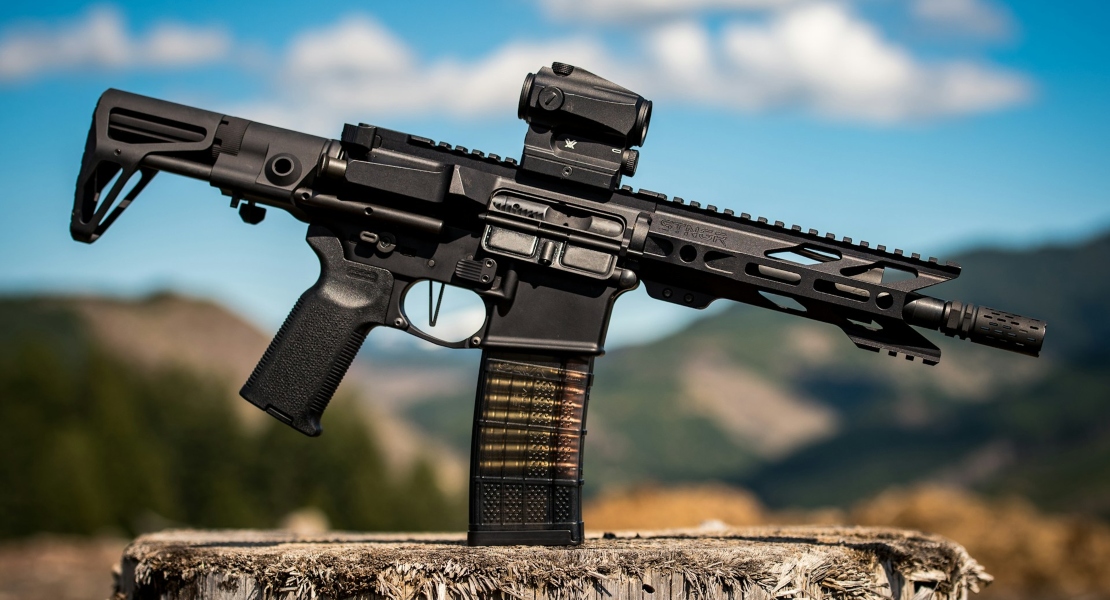
When selecting components for the best beginner AR-15, prioritize objective build quality over branding.
- Machining consistency – Tight tolerances reduce wobble and uneven wear.
- Material type – Forged 7075-T6 aluminum is common for its strength and durability. Billet receivers may offer design differences but similar structural capability.
- Finish and coating – Hardcoat anodizing improves corrosion resistance and surface hardness.
- Internal component quality – Properly heat-treated bolts and correctly staked gas keys contribute to reliability.
- Quality control standards – Inspection procedures and assembly checks directly affect long-term function.
Dependable performance comes from manufacturing precision and assembly quality, not cosmetic features.
Two Halves, One Operating System
In an AR-15 upper vs lower comparison, the roles split cleanly. The upper contains the barrel, bolt carrier group, and gas system that handle pressure and cycling. The lower holds the trigger group, buffer system, and serialized component that govern firing input and reset. The rifle only functions when both assemblies stay aligned and transfer energy through the takedown pins and buffer system.
FAQs
What does the AR-15 upper receiver contain?
The upper receiver contains the barrel, bolt carrier group, gas system, charging handle, and related cycling components. It manages chamber pressure, directs the projectile through the bore, and converts expanding gas into mechanical motion to extract, eject, and chamber the next round.
What parts are in the lower receiver?
The lower receiver includes the trigger group, hammer, disconnector, safety selector, magazine catch, bolt catch, and buffer system. These components regulate firing input, reset timing, recoil absorption, and magazine retention during the firing cycle.
Is the lower receiver the actual firearm?
Under U.S. federal law, the lower receiver is classified as the regulated firearm because it contains the serial number and fire control housing. Mechanically, both the upper and lower are required for operation, but legal classification assigns firearm status to the lower alone.