



All You Need to Know About the AR-15 Rifle
The AR-15 is a lightweight, modular, semi-automatic rifle platform widely used in civilian shooting. Built around a standardized operating system and interchangeable components, it can be configured for training, competition, and general range use while maintaining consistent function across different setups.
The AR-15 rifle is one of the most commonly used rifles in the US, valued for its versatility and modular design. For those new to the AR-15, having a clear picture of how the rifle operates and how its components work together is an important first step. This Redacted Arms LLC guide offers a practical overview of how the AR-15 rifle functions, how its main parts fit together, and what to consider when setting up or modifying a rifle.
What Is the AR-15 Rifle?
The AR-15 rifle is a semi-automatic firearm design originally developed in the mid-20th century and widely produced today by many manufacturers. While AR-15 rifles can vary in configuration, they share a common operating system and overall layout that defines how the rifle functions.
What sets the AR-15 rifle apart is its modular construction. Major components such as barrels, handguards, triggers, and stocks can be replaced or upgraded without specialized machining. This design allows the rifle to be adapted for different uses while maintaining consistent handling and operation, making it popular among civilian shooters, competitors, and professionals.
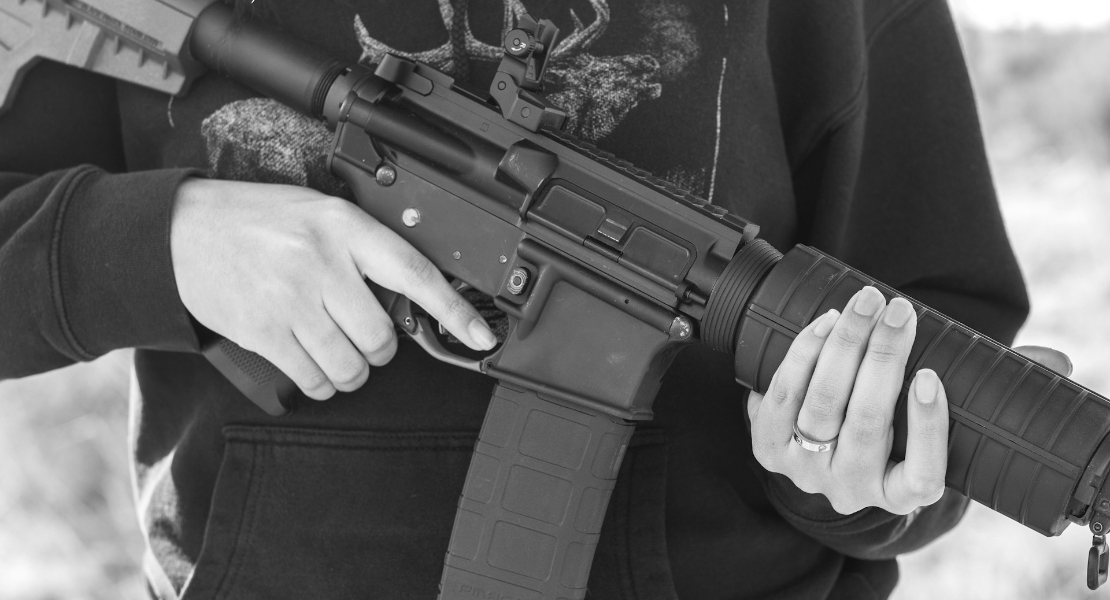
How the AR-15 Rifle Works
The AR-15 rifle follows a consistent operating cycle that remains the same across most configurations. While individual components may vary, the core process that drives firing, cycling, and reset is shared by all AR-15 rifles.
Basic operating system overview
The AR-15 operates as a gas-powered, semi-automatic rifle. When a round is fired, a portion of the expanding gas is redirected from the barrel back into the rifle. This gas energy cycles the action, ejects the spent casing, chambers a new round, and resets the trigger for the next shot.
Role of the bolt carrier group
The bolt carrier group is the core of the operating system. It contains the bolt, firing pin, gas key, and carrier. As gas enters the system, it drives the bolt carrier rearward, unlocking the bolt and allowing extraction and ejection to occur. Reliability depends heavily on proper assembly, materials, and maintenance of this component.
Gas system basics in simple terms
Gas systems are commonly classified by length, such as carbine, mid-length, or rifle-length. The length of the gas system affects recoil impulse, overall reliability, and long-term component wear. Longer systems usually provide smoother cycling, while shorter systems are more common on compact rifle configurations.
Core Components of an AR-15
The AR-15 uses two primary assemblies to house its major operating and control components. Each assembly plays a distinct role in how the rifle functions, cycles, and responds during use.
Upper Receiver Assembly
The upper receiver contains most of the components responsible for firing and cycling the rifle. These parts work together to manage gas flow, chambering, and extraction.
- Barrel: The barrel determines caliber, accuracy potential, and effective range. Barrel length and twist rate influence how different bullet weights perform. Common lengths range from 16 to 18 inches for general-purpose rifles.
- Bolt carrier group: This component handles feeding, firing, extraction, and ejection. Materials, surface coatings, and proper gas key staking all play a role in long-term performance.
- Charging handle: The charging handle allows manual cycling of the action. Its design can affect ease of use, particularly on rifles equipped with optics.
- Gas system: The gas block and gas tube deliver gas from the barrel to the bolt carrier group. Proper alignment and quality manufacturing are critical for consistent operation.
Lower Receiver Assembly
The lower receiver houses the components that control firing and manage recoil. These parts influence trigger feel, safety operation, and overall handling.
- Trigger group: The trigger group controls firing. Standard triggers prioritize durability and consistency, while performance triggers focus on smoother pull and cleaner reset characteristics. Some users replace multiple components at once using an AR-15 FCG kit, which can simplify updates when selected for the correct configuration.
- Safety selector: The safety selector mechanically blocks the trigger when engaged and is a key element of safe rifle operation.
- Buffer system: The buffer and buffer spring regulate rearward movement of the bolt carrier group. Proper buffer weight helps balance recoil and supports reliable cycling. In some cases, a heavier option, such as the H3 buffer super safety, may be used as part of an overall tuning approach.
AR-15 Calibers Explained
AR-15 rifles are available in a wide range of calibers, allowing shooters to tailor performance based on intended use. Caliber selection affects how the rifle handles, performs, and interacts with specific components.
Common calibers used in AR-15s
While 5.56 NATO is the most common caliber used in AR-15 rifles, many alternatives are available, including .223 Wylde, .300 AAC Blackout, and various pistol calibers. Each option is designed to meet different performance goals, from general range use to specialized applications.
How caliber choice affects recoil, range, and use
Caliber influences recoil impulse, effective range, and terminal performance. Lighter calibers typically offer less recoil and flatter trajectories, while heavier calibers may excel at short-range applications.
Compatibility considerations
Not all calibers share the same components. Some require specific bolts, magazines, or buffer configurations. Understanding these differences is essential when configuring or modifying a rifle.
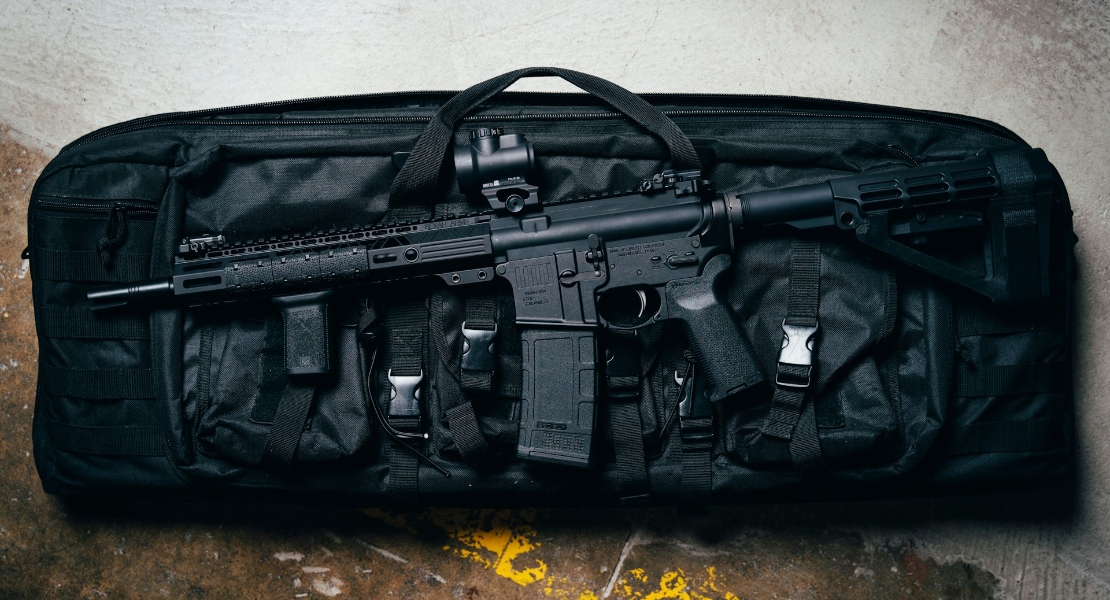
AR-15 Safety Basics
Manual safety function
When engaged, the manual safety blocks the trigger and helps prevent unintended firing. Use it whenever the rifle is not being actively fired.
Proper handling principles
Basic firearm safety rules apply at all times: keep the muzzle pointed in a safe direction, keep your finger off the trigger until ready to shoot, and treat every firearm as if it is loaded.
Common safety issues and warning signs
Failure to feed, failure to eject, and light primer strikes can indicate mechanical issues. Unusual sounds, inconsistent recoil, or visible wear should prompt inspection before further use.
Triggers and Controls
Triggers and controls play a major role in how an AR-15 rifle feels during use. These components influence consistency, comfort, and how easily a shooter can maintain control over follow-up shots.
Standard trigger vs performance triggers
Standard triggers are designed for durability and consistent operation across a wide range of conditions. Performance triggers offer lighter pull weights and cleaner breaks, and some designs may require a super safety trigger cut, which makes proper compatibility and careful installation especially important.
Trigger reset explained
Trigger reset refers to the point at which the trigger is ready to fire again after a shot. A consistent reset helps with faster, more controlled follow-up shots.
How controls impact training and consistency
Consistent controls allow shooters to build muscle memory. Changing components frequently can slow skill development if not done thoughtfully.
Common AR-15 Upgrades
Many AR-15 rifles are upgraded over time to improve comfort, control, or usability. Upgrades are most effective when they support the rifle’s intended role rather than adding unnecessary complexity. Some owners explore component-based options, such as a super safety kit for AR-15 platform configurations, when refining control and consistency alongside compatible parts.
- Triggers and safety components: Upgrading triggers and safeties can improve control, but changes should align with the rifle’s intended use.
- Optics and sights: Red dot sights, magnified optics, and backup iron sights are among the most common upgrades. Optics often provide the most immediate improvement in usability.
- Furniture and ergonomics: Stocks, grips, and handguards affect comfort and handling. Proper ergonomics reduce fatigue and improve shooting consistency.
- Internal parts that affect reliability: Enhanced springs, gas components, and bolt carrier upgrades can improve reliability when selected and installed correctly.
Maintenance and Care
Regular maintenance helps keep an AR-15 rifle functioning reliably over time. The level of care required depends on how often the rifle is used and the conditions it is exposed to.
- Cleaning: Remove carbon and debris from the bolt carrier group, chamber, and barrel based on use and conditions.
- Lubrication: Keep key contact points properly lubricated to support smooth cycling and reduce wear.
- Wear points to check: Inspect bolt lugs, gas rings, extractor, and buffer spring for wear or damage.
- Common replacements: Springs and extractors are typical wear items and should be replaced if performance changes or wear is visible.
- Quick function check: After cleaning, part changes, or a super safety install, confirm the rifle cycles correctly and all controls operate as intended before use.
Training and Use Cases
Shooters commonly use the AR-15 rifle for range and recreational shooting because it offers manageable recoil and adaptable ergonomics. Competitive shooters configure AR-style rifles for speed, accuracy, and consistency. Some owners also set up AR-15 rifles for defensive or practical roles, prioritizing reliability, simplicity, and familiarity with the rifle.
Legal Considerations
Firearm ownership requires compliance with federal laws governing purchase, transfer, and possession. State and local regulations may impose additional restrictions related to configuration or use. Owners are responsible for verifying current laws in their jurisdiction. This content is provided for informational purposes only and does not constitute legal advice.
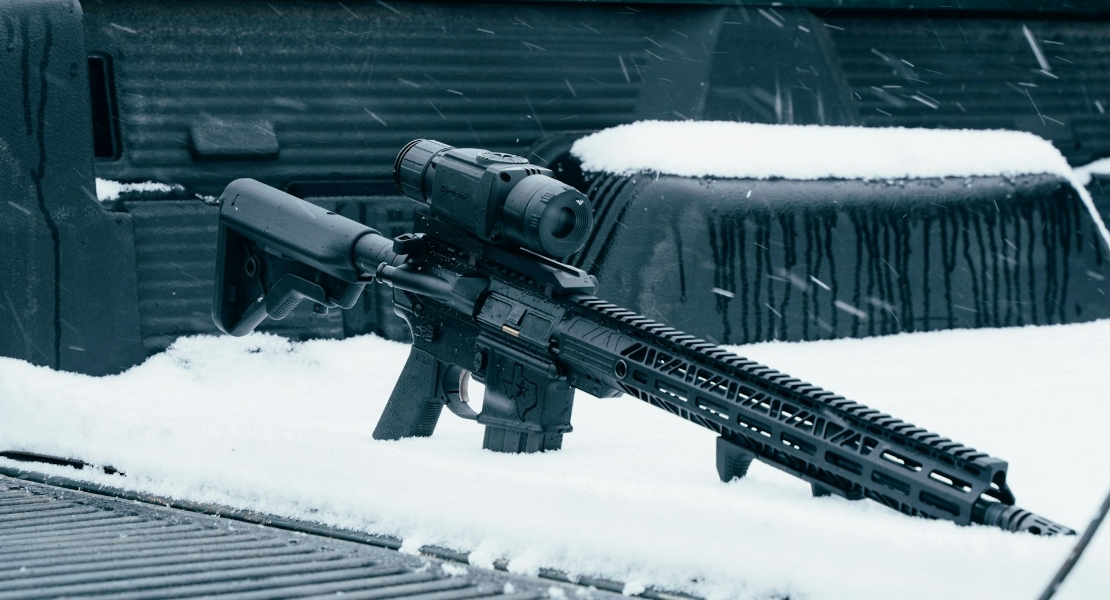
Choosing the Right AR-15 Setup
The right AR-15 setup depends on how the rifle will be used. A range rifle, competition build, or practical setup will each require different component choices. Parts should be selected to support that purpose, not trends or appearance.
Unnecessary upgrades can increase cost and reduce reliability. Each change should address a specific need, while quality materials and proper assembly remain the most important factors in long-term performance.
Bringing the AR-15 Rifle Basics Together
The AR-15 rifle is best viewed as a versatile firearm built around a consistent operating system and interchangeable components. Its design allows owners to configure rifles for different uses while maintaining predictable handling and function. By being familiar with how key components work, how calibers differ, and how regular maintenance supports reliability, owners can make informed choices and use their rifles responsibly. Whether used for training, recreation, or competition, a clear, practical approach to setup and care plays a central role in long-term performance and safety.
Frequently Asked Questions
What does the AR-15 stand for?
AR-15 stands for ArmaLite Rifle, named after the company that originally developed the design in the 1950s. The “AR” designation refers to the manufacturer, not “assault rifle.”
What is so special about an AR-15?
The AR-15 is known for its modular design and standardized components. Parts such as barrels, triggers, stocks, and handguards can be replaced or configured without specialized machining. This adaptability allows the AR-15 rifle to be used for training, competition, and recreational shooting while maintaining consistent operation.
What caliber is an AR-15 rifle?
The most common caliber used in an AR-15 rifle is 5.56 NATO, though many rifles are also chambered in .223 Wylde, which is designed to safely fire both .223 Remington and 5.56 NATO ammunition. The AR-15 platform also supports many other calibers depending on configuration.
Is AR-15 stronger than AK-47?
“Stronger” is not a precise comparison. The AR-15 and AK-47 are built around different design philosophies. The AR-15 emphasizes precision, modularity, and lighter materials, while the AK-47 emphasizes simplicity and durability in harsh conditions. Each platform has strengths depending on intended use.
Is the AR-15 a civilian rifle?
Yes. The AR-15 is widely owned and used by civilians in the United States for lawful purposes such as sport shooting, competition, and training. Civilian AR-15 rifles are semi-automatic, meaning one round is fired per trigger pull, and they differ from military-issued rifles in configuration and function.