



How Cold Weather Affects Super Safety Reset
Cold weather works against the super safety reset in three ways: lubricant thickens and adds drag on the cam and lever, cold ammo burns at lower pressure so the carrier moves slower, and condensation can freeze inside the action. A setup tuned in warm weather can short-stroke in the cold. Run a thin film of lube and keep ammo at a steady temperature.
In cold weather, three things work against the super safety reset. Lubricant thickens and adds drag on the cam and lever, cold ammunition burns at lower pressure so the carrier moves slower, and condensation can freeze inside the trigger group. Each one takes energy or freedom of movement away from a system that depends on both. Redacted Arms builds super safety systems for the AR-15, AK, MP5 and AR-9, and all four rely on the carrier or bolt to drive the reset. That’s why super safety cold weather problems tend to look the same across platforms: a setup tuned in warm weather starts short-stroking or resetting inconsistently once the temperature drops. Cold doesn’t break the mechanism. It shrinks the margin it runs on.
| Factor | What changes in the cold | Typical symptom | What to check first |
|---|---|---|---|
| Lubricant | Thickens and resists movement | Sluggish cam and lever, heavier reset feel | Amount of lube; use a thin film only |
| Ammunition | Lower chamber pressure | Slower carrier, short-stroking, weak ejection | Ammo storage temperature; keep one load |
| Buffer or bolt mass | Same weight, less energy to move it | Failures to reset or lock back on a heavy setup | Whether the setup was tuned for warm or suppressed use |
| Condensation and ice | Moisture refreezes inside the action | Stuck selector, frozen cam or lever, stoppages | Moving between warm rooms and the cold |
| Gloves | Bulk inside the trigger guard | Trigger doesn’t travel forward fully | Glove thickness and finger placement |
| Hardened carbon | Fouling stiffens as the rifle cools | Rough cam shelf, gritty reset | Clean while the rifle is still warm |
Why Does Cold Weather Change How a Super Safety Resets?
The reset depends on two things: enough carrier energy to drive the system, and low friction so the cam and lever can move freely. On the AR-15, the carrier contacts the lever, which moves the cam, and the cam pushes the trigger forward into reset. The AK uses a trip bar in place of the lever, and the MP5 uses a slip trip. The geometry differs, but each version is driven by bolt or carrier movement.
Cold attacks both sides of that equation at once. It reduces the energy coming in and adds resistance to the parts that need to move. A rifle that ran with plenty of margin on a mild day can sit right at the edge of reliable function on a freezing morning.
How Does Cold Ammo Change Carrier Velocity?
Powder burns less vigorously when it’s cold, so chamber pressure drops and the bullet leaves at a lower velocity. Less pressure means less gas reaching the gas system on an AR-15 or AK, and less push on the bolt face on a blowback AR-9. The carrier moves rearward with less energy, and the super safety gets less drive from every shot.
How much velocity changes depends on the powder and the load, so watch the rifle rather than relying on a rule of thumb. The guide on how ammunition choice affects super safety function explains why consistency matters more than chasing a hotter load. Temperature-related changes in shooting conditions can also contribute to differences in point of impact, although the relationship between cold bore vs hot bore involves more than barrel temperature alone.
Can a Heavy Buffer Cause Problems in Winter?
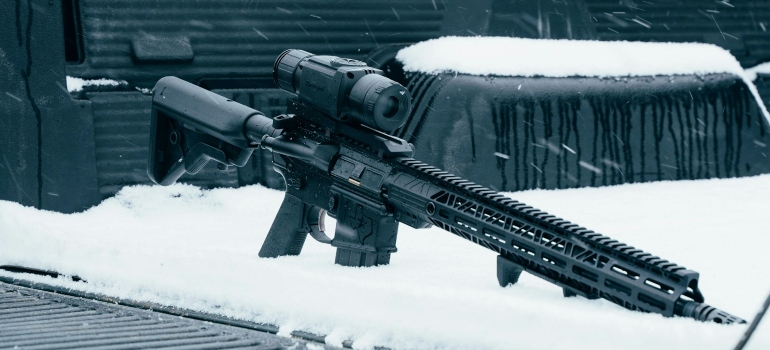
It can. Heavier buffers are a common starting point for AR-15 super safety builds, and an H3 (about 5.4–5.6 oz) is the usual choice for suppressed rifles because it slows a carrier that’s moving too fast. In the cold, the problem reverses. The carrier is already slower, and the same heavy buffer leaves less margin for it to travel far enough to reset the system and pick up the next round.
This is most likely on a rifle that was tuned for suppressed use and then run unsuppressed in the cold. Before changing anything, confirm the symptom is consistent and not just a lubrication issue. The AR-15 buffer weight chart and the comparison of H2 vs H3 buffers for super safety setups explain what each step in weight does.
How Does Lubricant Behave in the Cold?
Most lubricants thicken as temperature drops. A heavy coat that’s harmless in summer becomes drag on the cam shelf, lever pivot and detent in winter. On a reset system, that drag shows up as a slower, heavier reset before it shows up as a failure.
The fix is less, not more. A light film on the contact surfaces works better than a wet part. Excess lube also holds carbon, and carbon stiffens as the rifle cools. Regular AR-15 super safety maintenance also helps prevent residue from building up on internal components, especially when temperatures fluctuate.
What About Condensation and Ice?
The biggest cold-weather risk isn’t the cold itself. It’s moving a rifle between cold air and a warm room. Warm, humid air condenses on cold metal, and when the rifle goes back outside that moisture refreezes on internal parts. A frozen selector, cam or lever stops the reset completely.
Army guidance on winter weapons handling describes this as weapons “sweating” and recommends keeping them in the cold when possible, letting condensation stop before cleaning a weapon brought inside, and cycling the action several times after stepping back out. Between trips, proper gun safe humidity control can reduce moisture exposure and help protect metal components from corrosion.
Does Shooting With Gloves Affect Reset?
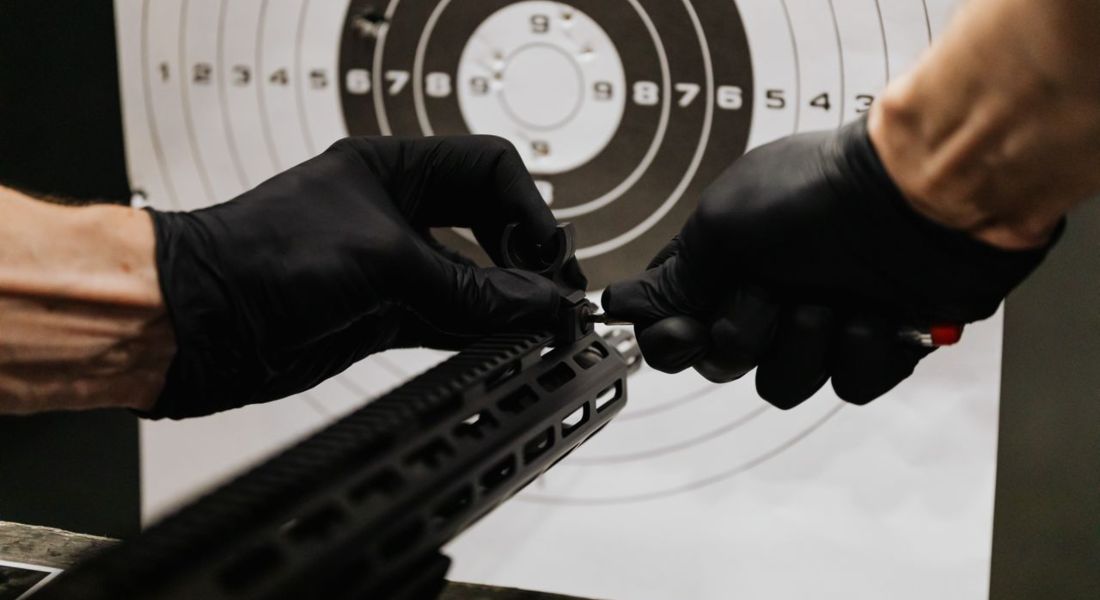
Yes. The super safety pushes the trigger forward into reset, and the trigger finger has to allow that movement. A thick glove can hold the trigger back or crowd the trigger guard, so the trigger doesn’t travel far enough forward to reset. The result can feel like a dead trigger even when the mechanism is working.
Try the rifle with the gloves you’ll actually wear, unloaded, before a cold session. If the trigger doesn’t return fully, a thinner glove usually fixes it. If it still happens bare-handed, look at the causes of a dead trigger in a super safety build.
Do the AK and MP5 React Differently in the Cold?
The AK’s long-stroke piston keeps most carbon out of the trigger group, so hardened fouling is less of a problem than on an AR-15. Lubricant on the trip bar pivot and cam shelf still thickens, and the trip bar must move freely for the cam to work. Keep the film light there.
On the MP5, bolt velocity affects the timing between the slip trip and the lever, while the MP5 locking piece influences bolt movement. Suppressors and colder ammunition can affect operating conditions differently, making mechanical timing less consistent across temperatures.
Super Safety Cold Weather Checklist
- Strip heavy lubricant and run a thin film on the cam, lever or trip bar, and detent
- Keep ammunition at a steady temperature and stick with one load
- Check whether the buffer or bolt setup was tuned for suppressed or warm-weather use
- Avoid carrying a cold rifle into a warm room unless you’ll let it dry fully before going back out
- Cycle the action a few times, unloaded, after stepping back into the cold
- Test trigger return with the gloves you’ll actually wear
- Clean the cam shelf before carbon hardens as the rifle cools
What to Remember When the Temperature Drops
Super safety cold weather problems come from three sources: thick lubricant, slower carriers from cold ammo, and moisture that freezes inside the action. Go light on lube, keep ammo temperature steady, watch for condensation and test with your gloves on. If the reset is still inconsistent, look at whether a heavy buffer setup that works in summer or with a suppressor is leaving too little margin in the cold, and change one variable at a time.
FAQs
Why does my super safety stop resetting in cold weather?
Cold weather reduces the energy driving the reset and adds resistance to the moving parts. Cold ammunition burns at lower pressure, so the carrier moves slower, while thickened lubricant and any frozen moisture slow the cam and lever. A setup tuned in warm weather can lose its margin.
Does cold weather affect ammunition velocity?
Yes. Cold powder burns less vigorously, which lowers chamber pressure and bullet velocity. On a super safety build that means less gas or blowback energy driving the carrier, and the exact change depends on the powder and load.
Should I use less lube on a super safety in winter?
Yes. Most lubricants thicken in the cold, so a heavy coat turns into drag on the cam, lever or trip bar, and detent. A thin film on the contact surfaces keeps parts moving freely and holds less carbon.
Can a heavy buffer cause short-stroking in the cold?
It can. A heavy buffer such as an H3 slows the carrier, which helps a suppressed rifle. In cold weather the carrier is already slower, so the same buffer leaves less margin for it to travel far enough to reset the system and feed the next round.
How do I keep condensation from freezing my rifle?
Avoid moving a cold rifle into a warm, humid room and straight back outside. Condensation forms on cold metal and refreezes on internal parts. Keep the rifle in the cold when practical, let it dry fully if it comes inside, and cycle the action unloaded after going back out.
Do gloves affect super safety trigger reset?
They can. The super safety pushes the trigger forward into reset, and a thick glove can hold the trigger back or crowd the trigger guard. Test the rifle unloaded with the gloves you plan to wear and switch to a thinner glove if the trigger doesn't return fully.