



What Causes Dead Trigger in a Super Safety Build
A dead trigger in a super safety build usually comes down to one of three problems: hammer follow, disconnector timing, or interference inside the fire control group after installation. These issues can look almost identical at first. Finding the actual cause before replacing parts saves time, money, and frustration.
The rifle fires once, but the next trigger press does nothing. When that happens, a dead trigger super safety problem can seem more serious than it is. In many cases, the cause is a small issue inside the fire control group rather than a failed part. A super safety still relies on the hammer, disconnector, and related parts working together correctly. That is why the first step is to check how those parts move and reset after the shot.
Dead Trigger Super Safety: What the Symptom Means Mechanically
Builders often use “dead trigger” for almost any trigger problem, but this symptom has a specific meaning. The rifle fires once, then the trigger stops responding until you cycle the action again. That usually means the hammer did not return to the right position for the next shot. After firing, the hammer should be caught and held until the trigger resets. If that does not happen, the next trigger press has nothing to release.
This is how firearm triggers work. When the hammer is not caught correctly, the trigger stays dead. To narrow down the cause, watch what happens before and after you cycle the action. If cycling restores the trigger, the problem is likely tied to hammer capture or reset. If the trigger remains unresponsive, you may be dealing with binding, incorrect assembly, or another issue that needs a closer inspection.
Before you inspect the fire control group, remove the ammunition source and follow the basic rules for clearing and unloading a firearm. A light primer strike, a stiff trigger, and a slow reset are different problems. A light strike involves ignition, while a slow reset involves trigger movement. These differences matter because similar trigger problems do not always come from the same part. That is why you need to identify the exact symptom before checking or replacing anything.
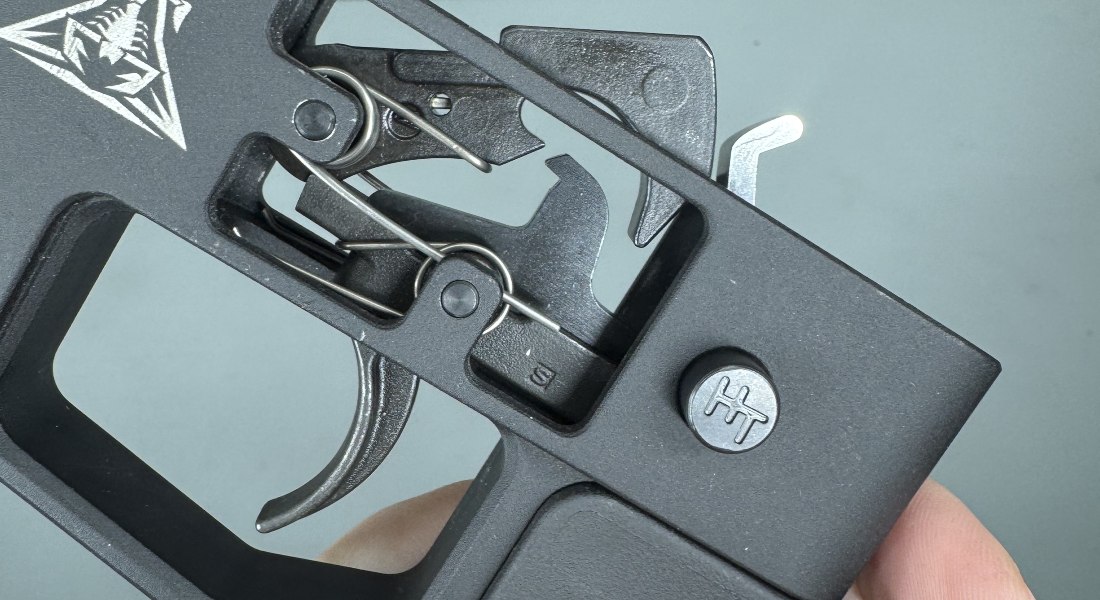
Hammer Follow: The Most Common Cause
Hammer follow is one of the most common super safety dead trigger causes. It happens when the hammer moves forward with the bolt carrier instead of staying caught by the disconnector. When that happens, the trigger has no cocked hammer to release on the next press. Several issues can cause hammer follow after installation:
- A disconnector spring that shifted or was installed incorrectly
- A trigger or disconnector that is not fully seated
- A fire control pin that moved out of position
- Parts that do not fit or work well together
- A timing issue that was already close to causing trouble
In many cases, the AR15 super safety itself is not the failed part. Installation may simply reveal a problem elsewhere in the fire control group. If the hammer does not remain caught after the action cycles, check the disconnector, springs, and pin position before replacing anything.
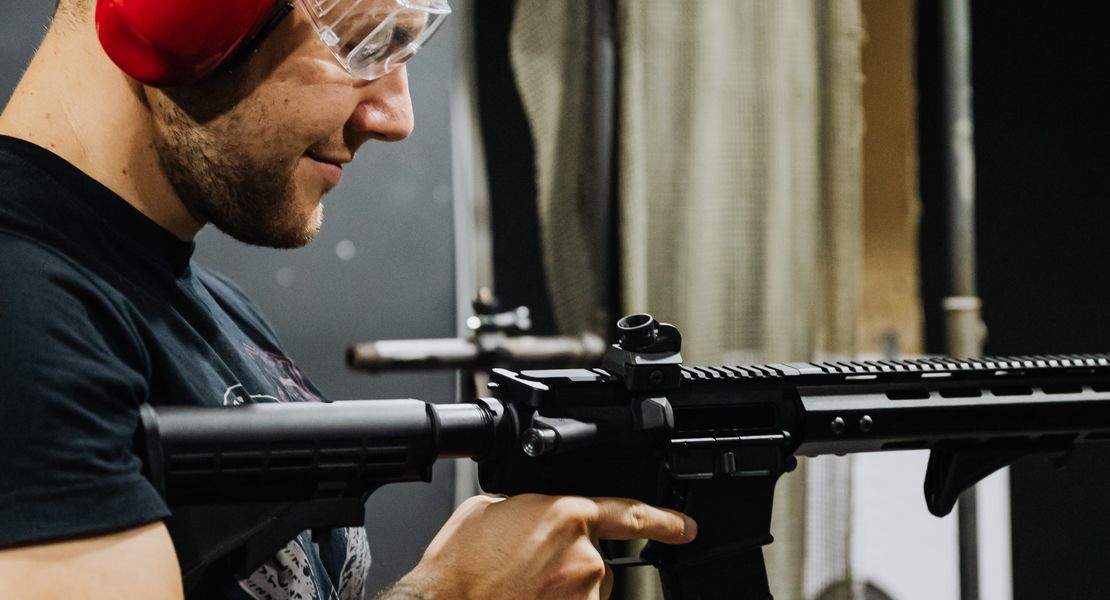
Disconnector Timing and FCG Interference
If the hammer is not following the bolt carrier, the next place to look is the disconnector. It must catch the hammer at the right moment and release it only after the trigger resets. When that timing is off, the hammer may not stay in the correct position. The result is another dead trigger super safety problem that feels almost identical to hammer follow. Several issues can block normal movement inside the fire control group:
- A trigger or hammer pin that is not fully seated
- A spring installed in the wrong position
- A component rubbing against another part
- A trigger or disconnector that cannot move freely
- Small AR-15 assembly mistakes that are hard to see from above
Interference can be difficult to spot because the parts may look correct while the firearm is sitting still. The issue may appear only when the trigger, hammer, and disconnector move together. Uneven resistance, limited travel, or a part that fails to return to its normal position can point to physical interference rather than timing alone.
A dead trigger AR-15 super safety issue can come from timing or interference. Timing affects when the hammer is caught. Interference stops a part from moving as it should. Because both failures create a similar result, do not rely on the trigger feel alone. Keep the firearm unloaded and check both before replacing the safety or trigger group.
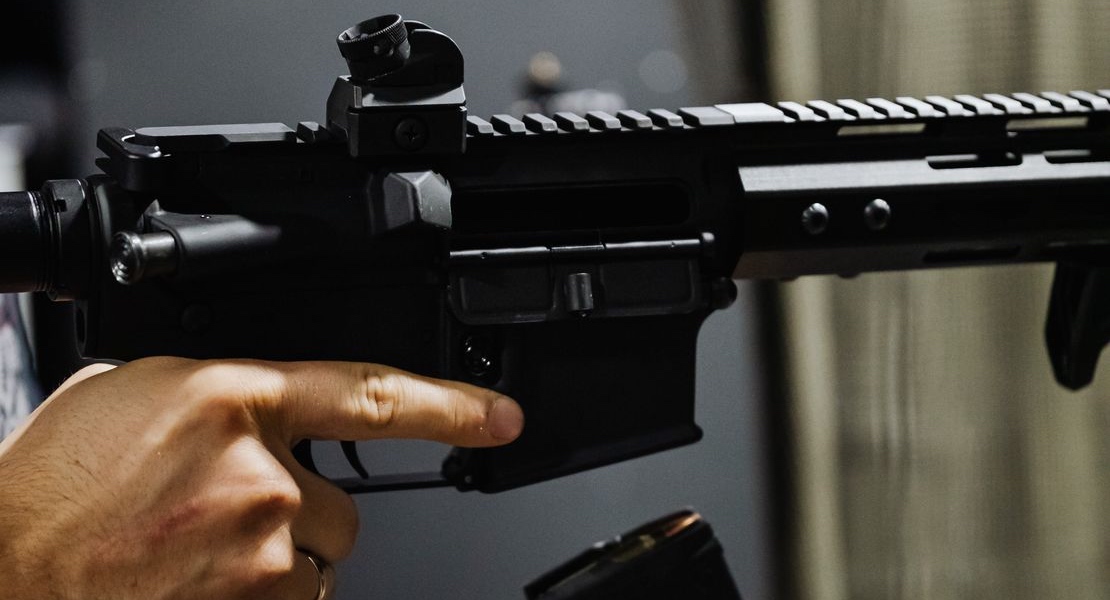
Identify the Cause Before Changing Parts
Hammer follow, disconnector timing failure, and FCG interference all produce the same dead trigger symptom — which is exactly why replacing parts before confirming the cause wastes time and leaves the problem unchanged. Work through the diagnostic sequence in order: confirm whether the hammer is following the bolt carrier first, check disconnector movement and pin seating second, look for physical interference third. Each step takes under a minute with the firearm unloaded. A pin that’s not fully seated passes visual inspection but produces dead trigger under live fire — check pin seating before assuming anything else is wrong. Once the cause is identified, the fix is almost always straightforward.
FAQs
What causes dead trigger in a super safety build?
The most likely causes are hammer follow, poor disconnector timing, or interference inside the fire control group. Hammer follow is usually the first thing to rule out. However, the same symptom can also come from a shifted pin, a misplaced spring, or a part that cannot move freely.
How to fix dead trigger super safety?
First, unload the firearm and stop live-fire testing. Then check whether the pins, springs, trigger, and disconnector are seated correctly. Do not grind, file, or reshape fire control parts. If the cause is not clear, have the setup inspected by a qualified gunsmith or contact the part maker.
Does hammer follow cause dead trigger super safety?
Yes. When the hammer follows the bolt carrier forward, it does not remain cocked for the next shot. The next trigger press then has nothing to release. Installation can reveal a weak spring, poor seating, or a timing problem that was already close to causing trouble.
Why do I have a dead trigger after super safety installation?
A dead trigger after super safety installation often means something inside the fire control group shifted during the work. A pin may not be fully seated, a spring may be out of place, or the disconnector may not move correctly. Check those areas before assuming the new safety is defective.