



AR-9 vs AR-15: What Actually Changes
The AR-9 and AR-15 share the same external platform but differ fundamentally in operating system, bolt carrier group, buffer requirements, and magazine interface. The AR-9 looks like an AR-15 from the outside and works completely differently on the inside — that gap is where most AR-9 build mistakes happen.
Builders who come to the AR-9 from the AR-15 assume the transition is straightforward: same lower, same upper interface, familiar controls. The operating system difference changes that assumption quickly. Before choosing firearm parts and accessories for an AR-9 build, understanding which AR-15 components transfer and which don’t is what separates a clean first build from one that gets diagnosed at the bench. The parts that look identical often aren’t, and the ones that are interchangeable aren’t always obvious. Knowing how AR-9 vs AR-15 differ before the build saves significant troubleshooting time.
Operating System: Blowback vs Gas
The gas system difference is the root cause of every other difference between the platforms. That absence changes the tuning picture entirely:
- The AR-15 uses direct impingement: gas vented from the barrel travels back through a tube and drives the bolt carrier rearward.
- The AR-9 uses simple blowback: chamber pressure drives the bolt carrier back directly, with no gas system involved. There is no gas tube, no gas block, and no adjustable gas system on an AR-9 build.
The AR-9 is both simpler and less adjustable than the AR-15 for exactly this reason — fewer variables means easier diagnosis, but also a narrower tuning range when something needs adjustment.
BCG and Buffer: What Doesn’t Transfer
The BCG and buffer are the two components builders most commonly assume are interchangeable between platforms. They aren’t; and understanding why explains most AR-9 build compatibility questions before they become range problems.
The AR-9 BCG is heavier and shorter than the AR-15 BCG. That mass difference is not incidental. It’s what provides the resistance that controls cycling in a blowback system. The AR-9 BCG’s extra mass is doing the work that the AR-15’s gas system does. Removing it removes the primary cycling control mechanism. AR-9 and AR-15 BCGs are not interchangeable. Installing an AR-15 BCG in an AR-9 lower is the most common parts confusion between the two platforms, and it produces reliable cycling failures every time.
Buffer differences follow the same logic. AR-9 builds use heavier buffers than comparable AR-15 builds because buffer weight is the primary cycling control variable on a blowback platform. The same buffer weight that works correctly on an AR-15 is typically too light for an AR-9 — the cycling energy from straight blowback operation is higher than gas-regulated cycling, and the buffer has to absorb more of it.
Magazine Interface: The Third Major Difference
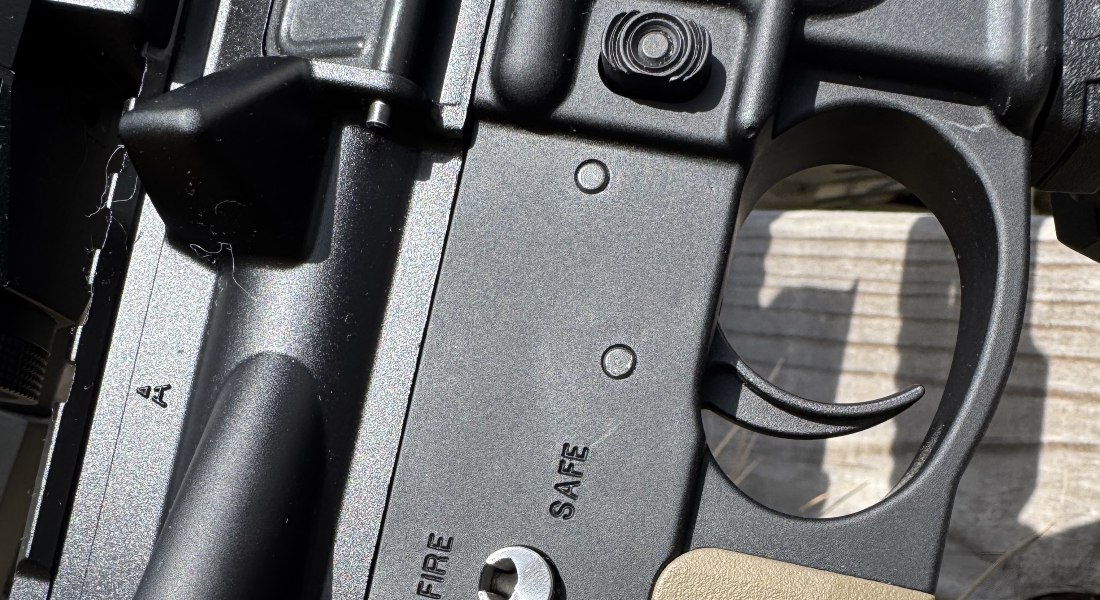
The magazine interface difference is the most visible AR-9 vs AR-15 difference and the one that affects the build decision earliest. The AR-15 uses a standardized STANAG magazine interface; one standard across virtually all AR-15 lowers. The AR-9 has three distinct magwell patterns: Glock, Colt, and MP5. These are incompatible with each other, and the lower receiver determines which ecosystem the entire build is committed to.
A builder who doesn’t check for AR-9 magazine compatibility discovers the incompatibility at the worst possible moment. Glock pattern offers the broadest magazine availability and aftermarket support, making it the dominant choice in new builds. Colt pattern is the original AR-9 standard and remains common in existing builds. MP5 pattern is the most specialized choice with the most limited magazine ecosystem; choosing the lower means choosing the ecosystem before any other purchase decision follows.
What Actually Transfers Between Platforms
After covering what doesn’t transfer, the practical compatibility reference is equally important. The two platforms share enough external compatibility that significant portions of a build do carry over during AR-9 installation.
Furniture, grips, stocks, and most controls transfer directly. The external lower receiver dimensions are the same, so anything that attaches to the outside of the lower works on both platforms. Standard mil-spec AR-15 fire control group components transfer to AR-9 lowers that use AR-style fire control: trigger, hammer, disconnector, and pins are compatible. Handguards and rail systems generally transfer as well, since upper receiver compatibility means most AR-15 handguard attachment systems work on AR-9 uppers.
The practical summary: furniture, controls, and mil-spec FCG transfer between platforms; BCG, buffer, and magazine system do not.
AR-9 vs AR-15: Tuning and Maintenance Differences
The AR-9’s blowback operation changes both the tuning picture and the maintenance picture compared to the AR-15. Neither is harder; both are different, and treating them the same produces predictable problems.
- On the tuning side, buffer weight is the only cycling variable. That makes diagnosis straightforward. If cycling is inconsistent, the buffer weight is almost always the first thing to check. But it also means the adjustment range is narrower than the AR-15, where gas regulation provides a second variable. Getting buffer weight right on the AR-9 matters more than on the AR-15 because there’s nothing else to compensate for a wrong choice.
- On the maintenance side, the AR-9 runs dirtier than the AR-15. Blowback operation drives more carbon into the action on every shot because there’s no gas system containing it — the same pressure that cycles the bolt also pushes fouling directly into the receiver.
One important note: Cleaning intervals that work for an AR-15 are too long for an AR-9. The carbon accumulation rate is higher, and the consequences for component wear are more immediate.
Same Platform, Different Machine
The AR-9 and AR-15 share enough external compatibility to feel like the same platform, and enough internal difference to behave like a completely different one. BCG, buffer, and magazine system don’t transfer. Furniture, controls, and mil-spec FCG do. The operating system difference drives every other difference downstream. Blowback operation means no gas system, heavier BCG, heavier buffer, and more frequent cleaning. Understanding which category each component falls into before starting the build is what separates a smooth AR-9 build from one that gets diagnosed at the bench.
FAQs
What is the difference between AR-9 and AR-15?
Three mechanical differences matter most for builders: operating system (blowback vs direct impingement), BCG and buffer incompatibility, and magazine interface. The AR-9 has no gas system — bolt carrier mass and buffer weight control cycling entirely. The BCG and buffer don't transfer between platforms. The AR-9 has three incompatible magazine patterns where the AR-15 has one universal standard.
Can AR-15 parts work on AR-9?
Some do, most don't. Furniture, grips, stocks, controls, and mil-spec FCG components transfer between platforms. BCG, buffer, and magazine system do not — these are the three categories where AR-9 and AR-15 parts are incompatible despite the platforms sharing the same external dimensions.
Why does AR-9 cycle differently than AR-15?
The AR-9 uses simple blowback — chamber pressure drives the bolt carrier directly with no gas system involved. The AR-15 uses direct impingement — gas vented from the barrel drives the bolt carrier through a tube. The absence of a gas system on the AR-9 means bolt carrier mass and buffer weight are the only cycling control variables, which makes the AR-9 simpler to diagnose but less adjustable to tune.
Is AR-9 harder to tune than AR-15?
No; simpler, but less adjustable. The AR-9 has one tuning variable (buffer weight) where the AR-15 has two (buffer weight and gas regulation). That makes AR-9 diagnosis more straightforward but the adjustment range narrower. Getting buffer weight right matters more on the AR-9 precisely because there's nothing else to compensate for a wrong choice.