



What Does TX22 ART Do and How It Changes the Shooting Experience
The TX22 ART replaces the factory disconnector with a modified component that uses the slide's cycling motion to mechanically push the trigger forward during reset — producing a shorter, more consistent reset without changing trigger pull weight or converting the pistol to anything other than semi-automatic. It's a disconnector swap, not a full trigger group replacement, and that mechanical simplicity is what makes the TX22 platform particularly well-suited for it.
Most TX22 owners who add the ART notice the difference immediately at the range, but couldn’t explain what changed mechanically — the trigger feels more responsive, follow-up shots come faster, but the pull itself feels the same. Before choosing firearm parts and accessories for a TX22 build, understanding exactly what the ART modifies — and what it leaves alone — makes the decision straightforward.
What the Factory TX22 Disconnector Does
The factory disconnector controls trigger reset by catching the hammer after firing and holding it until the trigger releases far enough forward. Once the trigger reaches the reset point, the disconnector releases the hammer for the next shot.
The reset point is determined by how far the shooter releases the trigger — on a standard TX22, that’s close to full forward travel. The system is simple and consistent, but it requires the shooter to release more trigger than most follow-up shooting demands.
The TX22 parts that make up the fire control group are straightforward by design, which is exactly what makes a disconnector-replacement approach like the ART viable without touching anything else in the trigger group.
How Does the TX22 ART Work
The TX22 ART active reset trigger system adds a contact surface to the modified disconnector that interacts with the trigger as the slide cycles rearward. As the slide travels back after firing, this surface pushes the trigger forward mechanically — reset happens during the slide’s return stroke rather than waiting for the shooter to release the trigger manually.
Because the reset is completed before the slide returns to battery, the trigger is already ready for the next pull by the time the pistol is back in position. The shooter can maintain rearward pressure between shots and feel the reset rather than hunting for it.
What the ART doesn’t change is equally important. TX22 ART active reset does not alter trigger pull weight — the modified disconnector only changes when and how the trigger resets, not the force required to fire. The pistol remains fully semi-automatic with one round per trigger pull.
Why the TX22 Platform Works Well for This
The TX22’s trigger geometry creates a clean interface for the ART’s contact surface — the trigger bar profile and disconnector relationship allow the modified component to function without changes to any other fire control parts. No gas system tuning, no buffer weight considerations, no BCG compatibility requirements. The slide does the work, and the ART interfaces with existing components.
The TX22’s simple blowback operation is also what makes this TX22 disconnector replacement more ammo-sensitive than AR-15 active reset systems. .22 LR loads vary enough in power and consistency to affect slide velocity — and since the ART’s contact surface depends on consistent slide timing, quality brass-case ammunition produces noticeably more reliable results than bulk loads.
How Does TX22 ART Affect Training
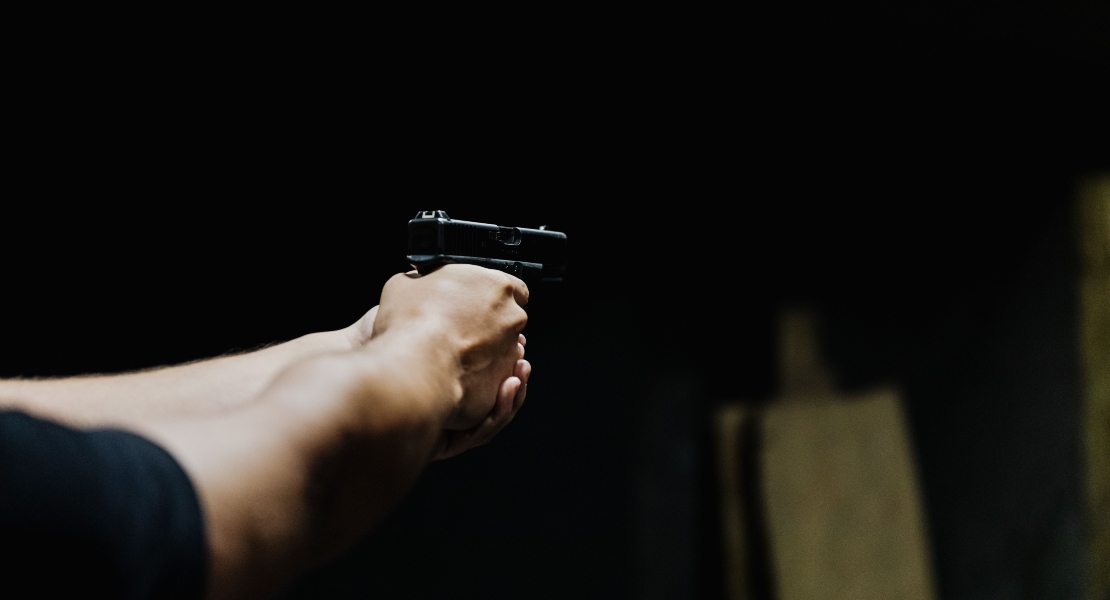
The TX22 ART shooting experience is defined by a more consistent, tactile reset point rather than raw speed. The reset becomes predictable enough that shooters can build a repeatable trigger discipline between shots — maintaining rearward pressure, feeling the reset, and pressing again without the extra movement that comes from releasing past the reset point.
The TX22 is already a popular training platform for its low recoil and affordable running cost. Pairing it with the ART makes it a more accurate simulation of the reset discipline required on centerfire pistols, which is why it shows up consistently in competition training setups focused on trigger control and repetition. Adding dry fire practice to the routine extends that consistency beyond range sessions.
What Is the Difference Between TX22 ART and a Standard Disconnector
The standard disconnector resets only after sufficient trigger release from the shooter. The ART resets during slide travel, reducing how far the trigger needs to travel forward between shots. Both keep the pistol semi-automatic and leave trigger pull weight unchanged — the only difference is when and how the reset happens during the firing cycle.
Compatibility and Platform Coverage
The TX22 ART is compatible across the full TX22 family — TX22, TX22 Compact, TX22 Competition, T.O.R.O., 2TX22, and 2TX22C across both Gen 1 and Gen 2 variants. The trigger group dimensions are consistent across the platform, so the same disconnector replacement approach fits without fitment work on most builds. Gen 2 models are generally preferred for best reliability, but compatibility extends across both generations.
One consideration worth noting: suppressed TX22 builds may see inconsistent ART function depending on the suppressor and ammunition combination. Suppressors increase backpressure, which affects slide velocity, and since the ART depends on consistent slide timing, results can vary more than on an unsuppressed pistol.
One Part Change, Meaningfully Different Reset
What does the TX22 ART do comes down to one mechanical change with a specific practical effect — the modified disconnector uses slide movement to complete trigger reset during cycling, producing a shorter and more consistent reset without altering pull weight or semi-automatic function. For a training platform already well-suited to repetition work, that’s a meaningful upgrade from a single component swap.
FAQs
Does the TX22 ART change trigger pull weight?
No. The ART only modifies reset timing and trigger return during cycling. The force required to fire the pistol stays the same — springs, sear geometry, and trigger leverage are all unchanged.
Is the TX22 ART legal?
Yes — the pistol remains fully semi-automatic with one round per trigger pull. State and local regulations vary, so confirming rules in your area before installation applies the same way it does for any active reset system.
Does the TX22 ART work on all TX22 models?
Yes. Compatible with TX22, TX22 Compact, TX22 Competition, T.O.R.O., 2TX22, and 2TX22C across Gen 1 and Gen 2 variants. Gen 2 is generally preferred, but the ART works across the full platform family. Suppressed setups may see more variability depending on ammunition and suppressor combination.
How does the TX22 ART differ from AR-15 active reset systems?
The TX22 ART is a single disconnector replacement inside a pistol trigger group. AR-15 active reset systems involve additional selector components and a more complex operating setup. The TX22 approach is simpler to install but more sensitive to ammunition consistency due to blowback operation — slide velocity variance from .22 LR loads affects ART function in a way that gas-operated AR-15 platforms don't experience.