


Buying the Wrong Firearm Parts? How to Choose the Right Parts for Your Setup
Buying the wrong firearm parts usually starts with unclear intent, not technical complexity. Defining the purpose first, whether replacing or upgrading, helps narrow down the right type of part and reduces mistakes before comparison or ordering even begins.
It’s easy to get pulled into specs, listings, and product options too early. Many buyers start comparing parts before they’ve even defined what they’re trying to fix or improve. That’s how buying the wrong firearm parts happens, not because the options are unclear, but because the goal behind the purchase isn’t clear. When browsing listings like super safety for sale, the focus often shifts to features or descriptions instead of function. Without a clear purpose, even a compatible part can end up being the wrong choice for your setup.
Knowing What You Actually Need
Start with the outcome, not the part. Most mistakes begin when the goal isn’t defined. Are you fixing a worn component or changing how the system performs? That decision determines what type of part you should be looking for.
A replacement needs to match what’s already in place. An upgrade should match how you want the firearm to behave. Mixing those two is a common reason for incorrect gun parts selection. Setup choices like barrel length also affect how the firearm behaves, so they should be considered early.
Before comparing anything, define the purpose. That step alone filters out most options and helps you avoid buying mistakes before specs or compatibility even come into play.
Why Purpose Matters When Choosing Parts
Part selection should match how the firearm will be used. Mistakes when selecting firearm upgrades often happen when parts are chosen based on appearance instead of function. A component should fit the role it plays within the system, not just the category it belongs to.
Internal components, such as a super safety cam, need to be selected based on how they interact with the rest of the setup. Choosing without that context increases the risk of poor performance or a mismatch.
How to Check Firearm Parts Compatibility
Compatibility isn’t about knowing every detail; it’s about confirming that the part belongs in your setup before you go any further. Parts may look similar or be listed under the same platform, but small differences in model, generation, or internal configuration can still prevent them from working together.
You don’t need to analyze every measurement at this stage. The goal is simply to review and compare firearm parts and confirm that the part is designed for your platform and setup. If that isn’t clear, it’s a sign to pause before moving forward.
Matching Internal Components to Your Setup
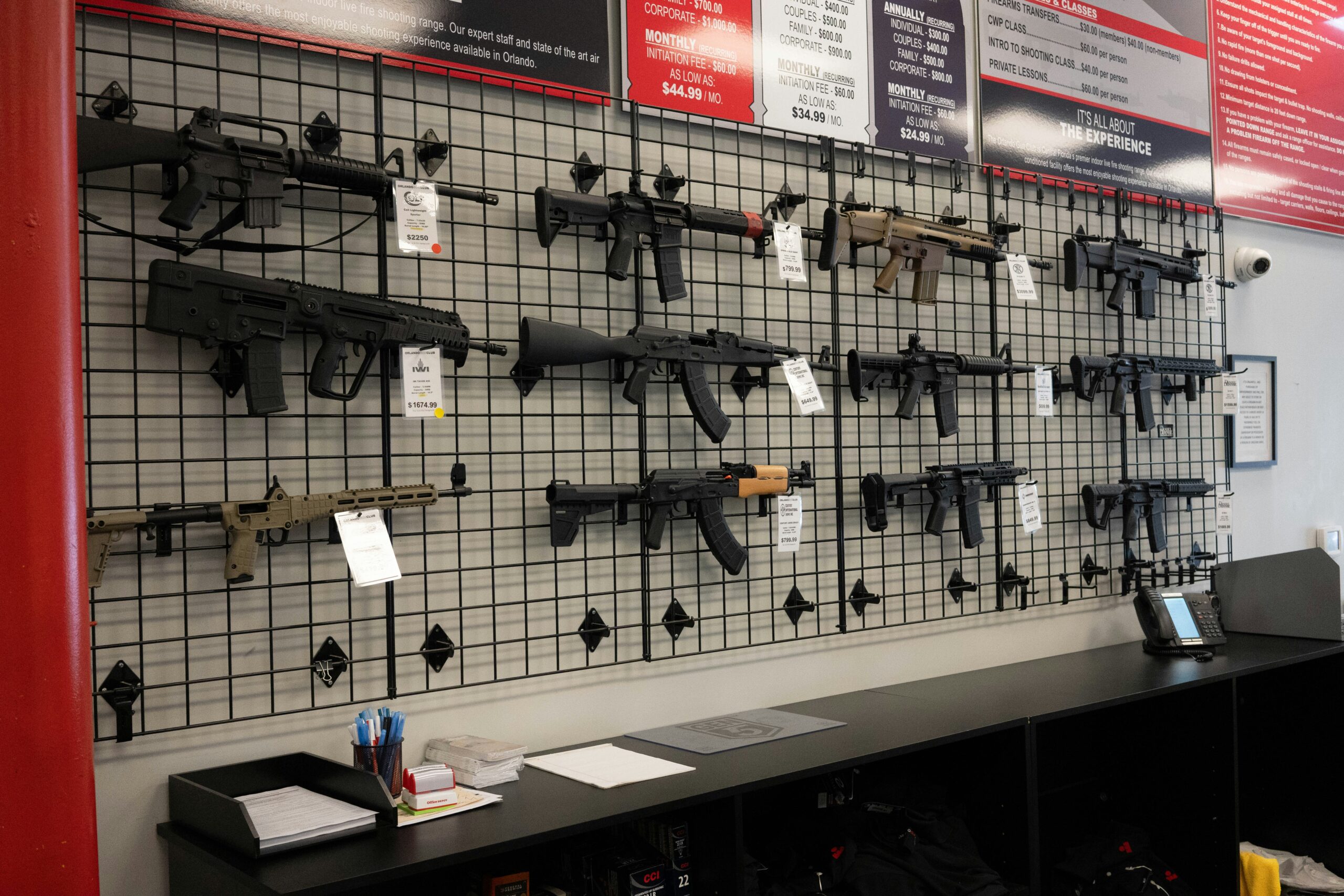
Some parts don’t just replace a single function. They affect how multiple components work together. An AR15 FCG kit is a good example. It includes parts that directly interact within the fire control system, so the selection has to match both the platform and how the setup is intended to perform.
Choosing this type of component without considering how it fits into the overall system increases the risk of incorrect gun parts selection.
Why Does My Firearm Part Not Fit
If a part doesn’t fit, the issue usually started before the purchase. These issues often come down to small mismatches, not obvious defects. Even when a part is labeled as compatible, differences in configuration or fit can prevent it from working as expected.
Firearm tolerance plays a role here. Minor variations can affect how parts align, even when everything is technically within spec. If something doesn’t fit, it’s often a sign that the selection step needs a second look, not just the installation.
Checking Details Before You Buy
Exact specifications determine whether a part will install correctly. Not understanding firearm parts specifications is a common reason parts fail to fit. Small differences in measurements or materials can affect alignment and overall function.
In some setups, a trigger jig helps improve alignment during installation, especially when precision matters. Buying gun parts without checking specs often leads to avoidable mistakes. A quick review before ordering helps ensure the part matches your intended setup.

Confirm Legal and Shipping Restrictions First
Some parts can’t be ordered or shipped without meeting specific requirements, and that can stop a purchase before it even starts. It’s worth reviewing basic firearm ownership and transfer regulations in your area before placing an order, especially when parts may fall under different classifications. Certain components may require additional steps, while others may be restricted by local regulations or seller policies.
Checking this early keeps you from narrowing down the right option only to find out it can’t be shipped or delivered. It’s a simple step, but skipping it can delay the entire process of ordering firearm parts.
Evaluate the Seller Before You Buy
Seller reliability affects what you actually receive. Incomplete listings, missing details, or unclear descriptions increase the risk of buying the wrong firearm parts. A reliable seller provides clear specifications, compatibility notes, and consistent product information.
For example, listings for parts like a milspec trigger clearly explain what the component is designed for and how it fits into a setup. If the listing doesn’t answer basic questions, it’s usually not worth the risk.
What to Do When Your Parts Arrive
Check the part before installation. What happens if you install the wrong gun part is usually clear during setup, when it doesn’t fit or function as expected. That leads to wasted time and rework.
A quick inspection on arrival helps catch issues early and avoids installation problems later.
Common Firearm Parts Buying Mistakes
Most issues come from simple oversights. Common mistakes when buying firearm parts include skipping specification checks, ignoring compatibility notes, and relying on appearance instead of verified details.

A quick check to prevent firearm parts buying mistakes:
- Define the exact part and purpose
- Confirm legal and shipping status
- Verify platform compatibility
- Check specifications and dimensions
- Review seller reliability
- Match part to intended use
Getting the Right Parts Every Time
Getting it right comes down to clear decisions before you buy. Buying the wrong firearm parts usually happens when key checks are skipped, or the purpose isn’t clearly defined. When the goal, setup, and basic details are confirmed early, most issues never reach the installation stage. A simple, consistent approach is more reliable than guesswork and helps ensure the part you choose actually fits and performs as expected.
FAQs
What are the most common firearm parts buying mistakes?
Skipping compatibility checks, ignoring specifications, relying on visual similarity, and failing to verify platform differences are among the most frequent errors.
Why do firearm parts not fit even if they look the same?
External appearance does not guarantee identical dimensions or internal geometry. Platform variations and tolerance differences often explain mismatches.
How to avoid buying the wrong gun parts?
Verify the exact part needed, confirm compatibility with your model, review specifications carefully, and read manufacturer notes before purchasing.