


Firearm Parts Buying Mistakes First-Time Buyers Should Avoid
Most firearm parts buying mistakes happen before checkout, not during installation. The real issue is relying on assumptions instead of verified specs, compatibility, and configuration details. Even small mismatches in dimensions or platform standards can make a part unusable, leading to delays, added costs, and performance problems.
Many first-time buyers from Super Safety Shop run into the same issue: a part looks right, seems compatible, and still doesn’t work. The problem usually isn’t obvious until installation, when fitment fails, or performance issues appear. These situations rarely come from defective components. Instead, they happen when small but critical details like platform differences, internal configuration, or specifications are overlooked during the buying process.
Figuring Out the Exact Component First
Many firearm parts buying mistakes start with misidentifying the actual problem. Buyers often assume a visible issue points to a specific component, so they replace larger assemblies instead of the small internal part causing the malfunction.
This usually happens when a diagnosis is skipped. A part may look worn or out of place, but the underlying issue can come from a different component entirely. As a result, the replacement fits the category but does not fix the function.
In practice, this leads to unnecessary spending and repeated orders. Instead of solving the issue, it creates a cycle of trial and error where each new part is based on the same incorrect assumption.
Overlooking Whether Parts Work Together
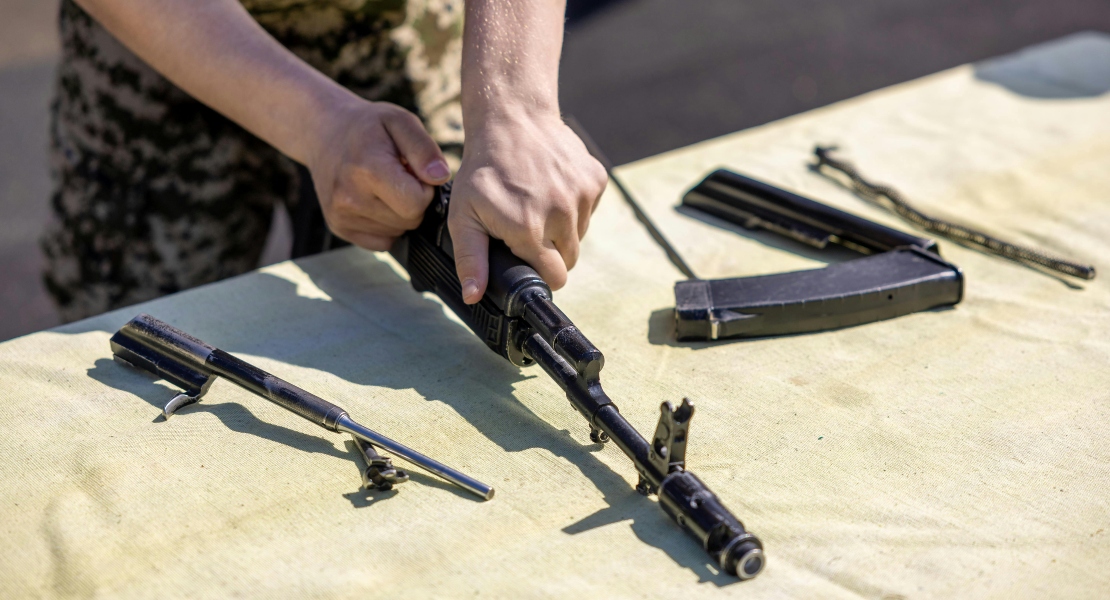
Compatibility problems usually show up as a surprise. Everything looks right on paper, but once you try to assemble it, parts don’t align or interact the way they should.
The issue isn’t always the platform itself, but the details inside it. Even within the same system, differences in receiver geometry or fire control setups can prevent components from working together. That’s why two parts labeled for the same platform can still conflict.
Before ordering firearm parts online, it’s worth confirming how those parts actually interact, not just whether they belong to the same category.
Not Understanding Specifications
Specs seem minor until they cause a problem. A slightly different thread pitch or length is enough to stop a part from seating correctly or to throw off alignment under use.
This is where most buyers run into trouble. The part technically “matches,” but small measurement differences create resistance, looseness, or long-term wear issues.
The easiest way around this is to compare actual dimensions, not just product names. Learning how to compare firearm parts before you buy helps catch those mismatches early, before they turn into installation problems.
Mistaking Appearance for Compatibility
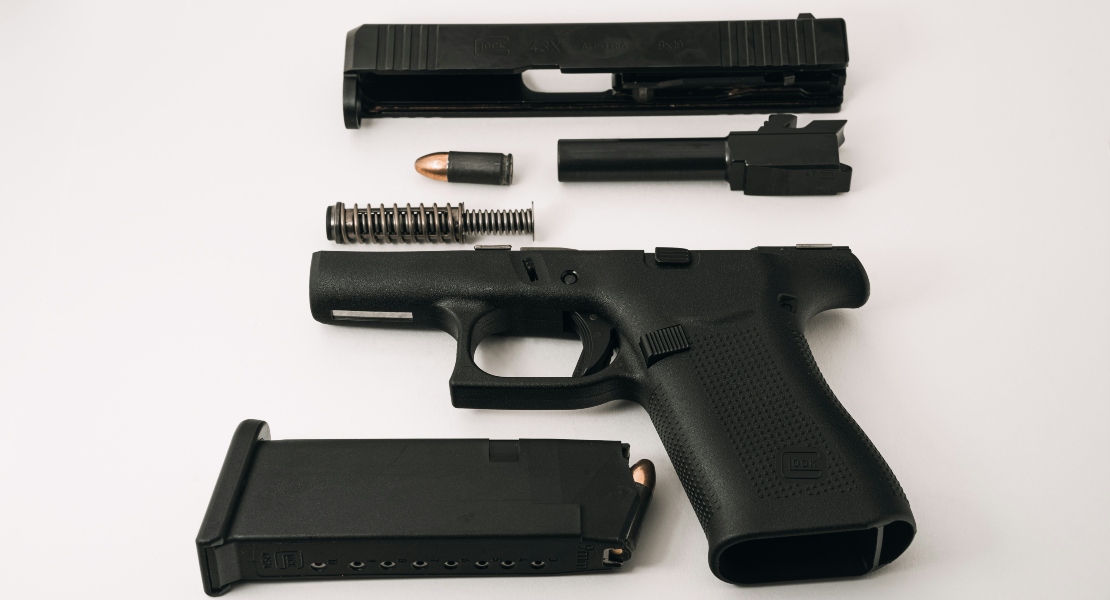
A part can look identical and still be wrong. That’s the trap. Most of the differences that matter aren’t visible. Internal geometry, machining tolerances, and small design variations determine whether something works, not the external shape.
This is especially noticeable with components like an AR15 super safety, where the fit depends on the exact lower receiver setup. If that internal match isn’t there, the part won’t function, no matter how similar it looks.
Visual matching feels logical, but it’s one of the least reliable ways to choose parts.
Overlooking Installation Requirements
Some issues only show up when you try to put everything together. The part seems right, but it doesn’t seat properly, binds during movement, or requires force that shouldn’t be there.
That usually comes down to tolerances. Small variations between manufacturers can change how tightly components fit, even when they’re technically compatible. Understanding firearm tolerances helps explain why one part drops in cleanly while another needs adjustment. Without that context, it’s easy to assume something is defective when it’s really a fit issue.
Ignoring Manufacturer Guidelines for Firearm Parts
Most people skip the notes. That’s where the problems start. Manufacturers usually spell out compatibility limits, required configurations, and installation constraints. These aren’t optional details; they’re the conditions under which the part actually works.
That becomes more important with components like super safety parts, where the function depends on matching the correct internal setup. Ignoring those requirements often leads to parts that technically fit but don’t perform.
Reading those notes once can save you from ordering the same part twice.
Assuming Instead of Checking
Most firearm parts buying mistakes don’t come from mechanical complexity. They come from decisions made before the part ever arrives. Many buyers assume parts are interchangeable within the same platform or rely on incomplete product descriptions instead of verified specifications. This usually happens when decisions are made quickly, based on familiarity or past experience, rather than confirmed details.
A common pattern is realizing the mistake only after installation fails. At that point, the issue is no longer about choosing a part, but correcting a decision that was never fully verified.
Mistakes New Buyers Keep Making
Among first-time buyers, the same patterns appear repeatedly. Skipping specification checks, ignoring compatibility notes, and relying on appearance instead of verified details all lead to incorrect purchases.
These mistakes often become clear during setup or a super safety install, when parts fail to align or function as expected. At that point, the problem is no longer theoretical; it directly affects usability.
They are rarely technical failures. Instead, they are preventable decisions made without full verification. Recognizing these patterns early helps avoid repeating the same errors.
How to Avoid These Mistakes
So, how to avoid buying the wrong gun parts? A simple verification process helps prevent most buying mistakes.
A short checklist helps reduce ordering mistakes:
- Do a firearm examination and identify the exact part needed
- Verify compatibility and platform
- Check specifications and dimensions
- Review fitment details
- Read manufacturer notes
Keeping these steps visible during ordering reduces unnecessary errors.
What to Remember Before You Buy
Getting the right part isn’t about recognizing it at a glance. It comes down to checking the details that actually determine fit and function. Compatibility, specifications, and configuration are what decide whether a part works in your setup. When those are verified early, most firearm parts buying mistakes never happen in the first place. A few minutes spent confirming those details before ordering is often the difference between a straightforward install and a cycle of returns, adjustments, and second guesses.
FAQs
What are the most common firearm parts buying mistakes?
Skipping compatibility checks, ignoring specifications, relying on visual similarity, and failing to verify platform differences are among the most frequent errors.
Why do firearm parts not fit even if they look the same?
External appearance does not guarantee identical dimensions or internal geometry. Platform variations and tolerance differences often explain mismatches.
How to avoid buying the wrong gun parts?
Verify the exact part needed, confirm compatibility with your model, review specifications carefully, and read manufacturer notes before purchasing.
Why does a firearm part sometimes install but not function properly?
This usually happens when the part technically fits but doesn’t match the internal configuration or tolerances of the firearm. For example, a component may seat correctly but fail during operation due to slight differences in geometry, alignment, or platform-specific requirements.